
Andy Burnham Becomes UK Prime Minister: Starmer Resigns 2026
Keir Starmer has resigned as Prime Minister, and Andy Burnham is preparing to take the keys to Downing Street — the seventh person to hold the office in just ten years. As the Greater Manchester mayor prepares to be sworn in by King Charles III on Monday 20 July, Channel 4 News examines whether this rapid turnover is truly unprecedented and what Burnham's unashamedly Labour agenda means for households across the United Kingdom. Andy Burnham Becomes UK Prime Minister: Seven Le
Keir Starmer has resigned as Prime Minister, and Andy Burnham is preparing to take the keys to Downing Street — the seventh person to hold the office in just ten years. As the Greater Manchester mayor prepares to be sworn in by King Charles III on Monday 20 July, Channel 4 News examines whether this rapid turnover is truly unprecedented and what Burnham's unashamedly Labour agenda means for households across the United Kingdom.
Andy Burnham Becomes UK Prime Minister: Seven Leaders in Ten Years
London, UK – 17 July 2026 —
The End of the Starmer Era
Keir Starmer resigned as Prime Minister on 22 June 2026 after losing the confidence of his parliamentary party. More than 90 Labour MPs demanded his departure following heavy losses in the local elections. The swift collapse of his leadership exposed deep fractures within the party that had governed since 2024.
Starmer’s exit marks the latest chapter in a decade of instability at the highest levels of British politics. His tenure, though brief, failed to deliver the stability many voters had hoped for after the turbulence of previous Conservative governments. Daily life for millions across the UK continued to be shaped by rising bills and strained public services.
Andy Burnham's Road to Downing Street
Andy Burnham, mayor of Greater Manchester since 2017, won the Makerfield by-election in June 2026. He is scheduled to become Labour leader on Friday 17 July 2026. On Monday 20 July, Starmer will travel to Buckingham Palace to tender his resignation to King Charles III, after which the King will invite Burnham to form a government.
Burnham grew up in a working-class family in Leigh and attended Cambridge University. He previously served as Culture Secretary and Health Secretary under Gordon Brown between 2007 and 2010. His successful record as mayor includes a major devolution deal, improved transport links and new housing initiatives that have directly benefited residents across the North West.
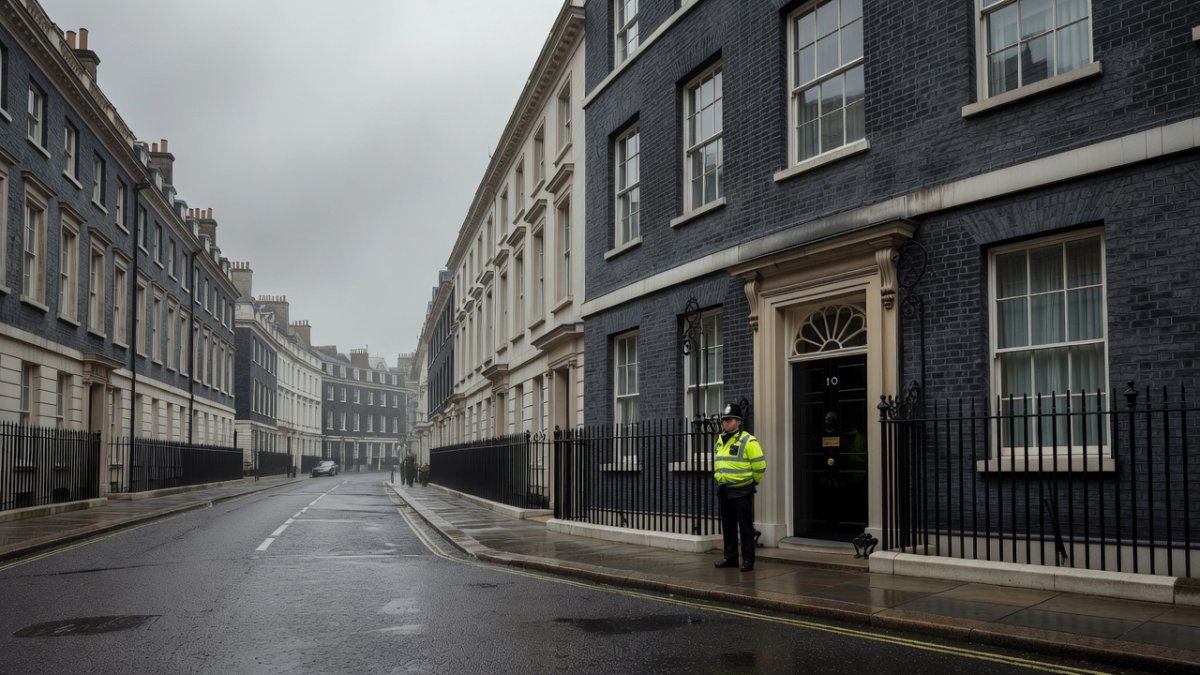
Burnham has promised an unashamedly Labour programme that sits further to the left than Starmer’s approach. He has pledged to tackle the cost-of-living crisis, reduce NHS waiting lists and expand affordable housing. These commitments resonate strongly with communities outside London that have felt marginalised by successive Westminster governments.
Seven Prime Ministers in Ten Years
Burnham will become the seventh Prime Minister in ten years: David Cameron (2010-2016), Theresa May (2016-2019), Boris Johnson (2019-2022), Liz Truss (2022, 49 days), Rishi Sunak (2022-2024), Keir Starmer (2024-2026) and now Burnham (2026-). The Channel 4 News video “Why 7 prime ministers in 10 years is nothing new for the UK” places this sequence in historical context, noting that the 1970s also saw five prime ministers: Edward Heath, Harold Wilson, James Callaghan and Margaret Thatcher.
This rapid turnover has become a defining feature of recent British political life. Institutions such as the civil service and local councils have had to adapt constantly to shifting priorities from Downing Street. For families in cities like Manchester, Leeds and Birmingham, the result has been inconsistent policy on everything from rail investment to social care funding.
What Burnham's Premiership Means for Britain
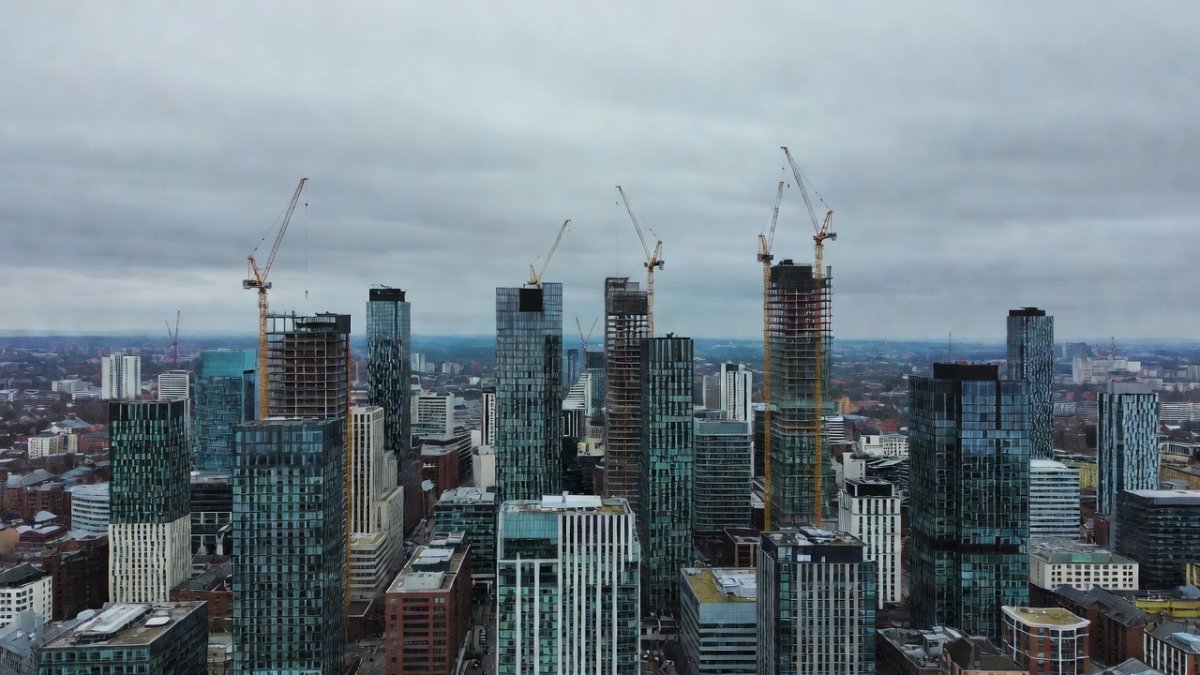
Burnham’s premiership signals a clear shift away from London-centric politics. As a northerner with deep roots in Greater Manchester, he brings a perspective shaped by regional challenges rather than Westminster assumptions. His earlier runs for the Labour leadership in 2010 and 2015 demonstrated a consistent focus on social justice and public service reform.
His instrumental role in the Hillsborough justice campaign remains a cornerstone of his reputation for standing up for ordinary people against powerful institutions. If implemented, his agenda on housing and transport could deliver tangible improvements for commuters and first-time buyers across the North.
The Democratic Question
The transition occurs without a general election. Labour is changing its leader while still in government, raising questions about democratic legitimacy. Critics argue that voters deserve a national mandate when the identity of the Prime Minister changes so dramatically.
Supporters counter that the parliamentary system has long allowed parties to select new leaders between elections. The precedent exists across both major parties, yet the frequency of recent changes has intensified public frustration with the lack of direct accountability at the ballot box.
The Bottom Line — What Comes Next
Burnham enters office facing immediate pressure to address NHS waiting lists, the cost-of-living crisis and housing shortages. His record in Greater Manchester offers some evidence that he can deliver through devolved powers, yet scaling those successes nationally will require cooperation from a divided Parliament.
The coming months will test whether this latest leadership change can restore public confidence in British institutions or simply extend the pattern of short-lived premierships. For households across the UK, the practical impact on wages, services and living costs will ultimately determine whether the shift to Burnham represents genuine renewal or another chapter in a decade of political churn.
By Erica Thornton, Staff WriterThis article was produced with AI-assisted research and editorial support. Reporting is based on sources cited in the article.
What's Your Reaction?
 Like
0
Like
0
 Dislike
0
Dislike
0
 Love
0
Love
0
 Funny
0
Funny
0
 Wow
0
Wow
0
 Sad
0
Sad
0
 Angry
0
Angry
0

US Politics and Policy Correspondent at Global1.News. Based in Washington DC, covering American politics, policy, elections, and the courts. Knows how the system works and tells you what it actually means.













Comments (0)