
Midwest Tornado Outbreak 2026: Rare Level 4 Risk, Multiple States Under Siege
What the NWS Is Saying — And Why You Should Listen Folks, the Storm Prediction Center didn't mince words when they dropped that Level 4 out of 5 risk, straight-up calling the atmosphere "highly volatile" and capable of a multi-state outbreak that could rip across the heartland. You better believe the National Weather Service is tracking every rotation on radar right now, and th
What the NWS Is Saying — And Why You Should Listen
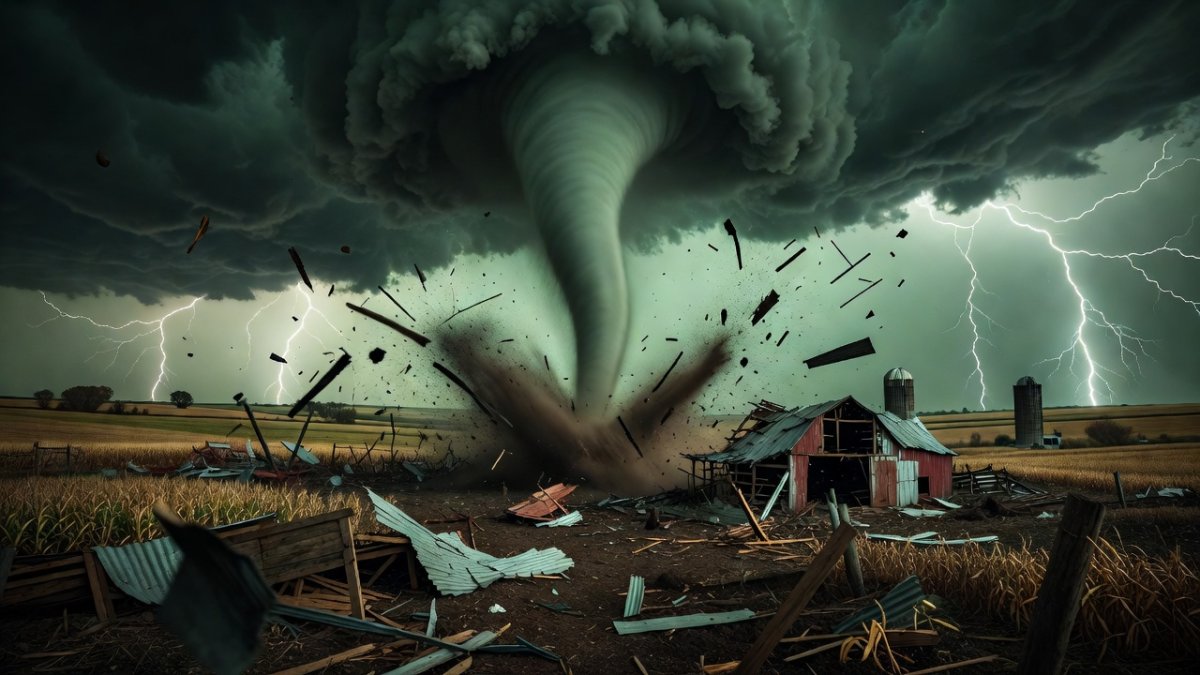
Folks, the Storm Prediction Center didn't mince words when they dropped that Level 4 out of 5 risk, straight-up calling the atmosphere "highly volatile" and capable of a multi-state outbreak that could rip across the heartland. You better believe the National Weather Service is tracking every rotation on radar right now, and their warnings are the gold standard that keeps families alive when the sky turns green. Fox Weather is hammering home how rare a Level 4 of 5 risk is this time of year, and they're not wrong — this setup has the ingredients for long-track twisters that don't play nice.
Right now eight tornado warnings are active across Indiana, Kentucky, and Ohio according to the latest from TornadoPath.com, and that number is climbing faster than a supercell on steroids. The NWS has a tornado watch covering 47 of Indiana's 92 counties until 1 a.m. EDT Thursday, which means the threat window is wide open and folks need to stay glued to their weather radios. CNN is echoing the SPC's language about an unusually strong June storm, and when those agencies line up like this, you don't second-guess the data.
Listen, the National Weather Service isn't in the business of hype — their outlooks come from hours of analysis on shear, instability, and moisture, and this one has all three dialed to eleven. SPC forecasters are updating every hour because the environment is evolving that fast, and Fox Weather analysts are pointing out this is the kind of setup that historically produces EF-3 or stronger tornadoes. Don't wait for the sirens, folks; the NWS data is already screaming at us to move.
I'm telling you straight: when the Storm Prediction Center uses phrases like "highly volatile atmosphere," they're not exaggerating for clicks. The NWS offices in the affected states are coordinating nonstop with local emergency managers, and their warnings have already saved lives in past outbreaks. Tune into those official channels, because the numbers don't lie and neither does the radar.
The States Taking the Brunt
Iowa is getting hammered with measured winds over 90 miles per hour, and the National Weather Service is confirming widespread straight-line damage that looks like a freight train rolled through. The New York Times article from June 17 titled "Tornadoes Reported in Wisconsin and Illinois" is laying out confirmed touchdowns in both states, and that means roofs are gone and lives are upended right now. NY Post is reporting millions of Americans threatened across this corridor, and they're not using that number lightly.
Illinois and Wisconsin are staring down confirmed tornadoes per the New York Times reporting, with damage surveys already underway as the sun comes up. Indiana sits dead center in the Level 4 risk zone, and the NWS has multiple warnings stacked on top of each other because the storms are training. Ohio and Kentucky are staring at continued threat through Thursday, with the Storm Prediction Center keeping the enhanced risk alive well into the overnight hours.
Folks in these states aren't just dealing with one cell — they're facing a line of supercells that the NWS says could produce simultaneous tornadoes across state lines. The New York Post is calling out the sheer scale, noting that power grids and infrastructure are already buckling under the first wave. This isn't isolated; it's a coordinated assault on the Midwest that the data from SPC and NWS has been flagging for days.
The numbers coming out of Iowa show wind gusts that snapped power poles like toothpicks, and Illinois residents are posting video of funnels dropping right next to interstates. Wisconsin's confirmed tornadoes per the New York Times mean search-and-rescue teams are moving in as we speak. Kentucky and Ohio are next in line, and the NWS warnings are the only thing standing between folks and catastrophe.
This Isn't the First Outbreak This Month
Remember that June 10-12 derecho that the NWS Chicago office confirmed produced 17 tornadoes? That event already left scars across the same region, and now we're stacking another violent system right on top of it. CBS News reported one death from the earlier outbreak, a grim reminder that these storms don't give second chances. CNN is once again labeling this follow-up "an unusually strong June storm," and the pattern is impossible to ignore.
The NWS confirmed an EF-2 tornado in Hickory Hills during that first round, with winds that peeled roofs and flipped vehicles. SPC outlooks from mid-month showed elevated risk persisting because the jet stream hasn't shifted, keeping the Midwest in the crosshairs. Folks, when you see back-to-back events like this, the data from the National Weather Service tells us the atmosphere is primed for repeat performances.
CBS News coverage of the earlier death underscored how quickly conditions can turn deadly even in June, when people think tornado season is winding down. The 17 confirmed tornadoes from June 10-12 per NWS Chicago are now being followed by another multi-state threat, and the Storm Prediction Center is watching the same parameters reload. This isn't coincidence; it's meteorology on steroids.
The New York Times and CNN both noted the unusual strength of the current setup compared to typical late-spring patterns. NWS damage surveys from the first outbreak are still being finalized while new warnings are already flying. Folks, the historical data shows clustered outbreaks like this can produce the year's most destructive days, and we're living it in real time.
Hundreds of Thousands Without Power
Duke Energy reported a substation fire in New Albany, Indiana on June 11 that knocked out service to thousands, and the ongoing storms are making restoration a nightmare. The National Weather Service is tracking widespread outages across the region caused by snapped poles and downed lines from those 90-plus mph winds in Iowa. NY Post is estimating hundreds of thousands impacted, and the numbers are climbing with every new cell that fires.
Infrastructure damage is piling up fast, with utility crews reporting lines wrapped around trees and transformers blown across multiple states. The NWS warnings are coming in while power companies scramble, and folks without electricity are losing access to the very alerts that could save them. CBS News has been following the cascading effects, noting that hospitals and emergency centers are running on generators in the hardest-hit counties.
Folks, when the grid goes down during a Level 4 risk day, you're not just uncomfortable — you're vulnerable. The Storm Prediction Center's outlook didn't factor in the added danger of no lights or no way to charge phones, yet here we are. Restoration timelines from Duke Energy and other utilities are stretching into days because the damage is so widespread.
The New York Post is highlighting how millions threatened also means millions potentially in the dark, and the NWS is urging people to have backup power for weather radios. This isn't a minor inconvenience; it's a direct threat multiplier on top of the tornado risk. Power crews are working around the clock, but the storms keep coming.
What Makes This Storm Different
A Level 4 risk this late in June is rare according to the Storm Prediction Center's own climatology, and Fox Weather is calling it out as an outlier that demands attention. The multi-state simultaneous outbreak potential sets this apart from typical isolated events, with the NWS warning of multiple supercells firing at once. CNN's description of an "unusually strong June storm" captures the deviation from normal patterns we've seen in recent years.
This system is following right on the heels of the June 10-12 outbreak, which the NWS already documented with 17 tornadoes. The atmospheric ingredients — extreme instability and wind shear — are reloading faster than models initially predicted, per SPC updates. Folks, when you stack rare late-June intensity on top of recent activity, the result is a threat window that doesn't close.
The New York Times reporting on confirmed tornadoes in Wisconsin and Illinois shows the outbreak is already delivering on the SPC's dire forecast. Fox Weather analysts are noting that the combination of heat, moisture, and upper-level support is creating a setup more typical of May than mid-June. This isn't business as usual; the data proves it.
NWS offices across the region are issuing statements that this event carries higher-end damage potential because of the overlapping threats. The Storm Prediction Center's decision to go Level 4 reflects confidence in the parameters that rarely align this time of year. Folks, the difference is measurable, and it's why the warnings are so aggressive right now.
What You Can Do Right Now
Stay weather-aware by monitoring official NWS updates and keeping a NOAA weather radio charged and ready, because those alerts cut through the noise when cell service fails. The National Weather Service recommends having an emergency kit with water, flashlights, and important documents within arm's reach at all times during this outbreak. Folks, checking on vulnerable neighbors isn't optional — it's how communities survive these nights.
Have your safe room or interior shelter identified before the next warning drops, and make sure everyone in the house knows the plan. NWS guidance is clear: don't rely on phone alerts alone when power is spotty and towers are down. The Storm Prediction Center's outlooks give you the big picture, but local NWS offices give you the street-level truth you need minute by minute.
Review your insurance and document property now, because the damage reports coming out of Iowa and Illinois show how fast things can change. Fox Weather and CNN are both pushing the message that preparation beats reaction every single time. Folks, the data from past outbreaks proves that people who act on NWS warnings before the sirens sound are the ones who make it through.
Keep a battery backup for your weather radio and have a backup communication plan with family members outside the risk area. The NWS continues to stress that seconds matter when a tornado is on the ground, and preparation is the only edge you get. Don't wait — the Level 4 risk is active and the clock is ticking.
The Bottom Line
Folks, the Storm Prediction Center's Level 4 risk combined with active NWS warnings across multiple states means this is a night to take every precaution seriously. The data from Fox Weather, CNN, the New York Times, and the National Weather Service all point to a rare, high-impact event that is already producing confirmed tornadoes and widespread damage. This isn't hype; it's the numbers and the radar telling the same story.
The overlapping threats — tornadoes, 90-plus mph winds, and power outages — create a situation where preparation can mean the difference between sheltering safely and facing catastrophe. CBS News and the NY Post have documented the human cost from earlier rounds this month, and we don't need a repeat. The NWS is doing its job by issuing the watches and warnings; now it's on all of us to act.
Stay locked on official sources, keep your kits ready, and look out for your neighbors. The Midwest is under siege, but the information we have from the SPC and NWS gives us a fighting chance if we use it. This outbreak is real, it's dangerous, and it's happening right now.
By Jessica Ali, Lead Anchor — Global 1 News
This article was produced with AI-assisted research and editorial support. Reporting is based on sources cited in the article.
What's Your Reaction?
 Like
0
Like
0
 Dislike
0
Dislike
0
 Love
0
Love
0
 Funny
0
Funny
0
 Wow
0
Wow
0
 Sad
0
Sad
0
 Angry
0
Angry
0

Editor-in-Chief at Global1.News. Atlanta-based journalist who cuts through the BS and tells it like it is. Lead anchor, host, and the voice you hear when the spin stops and the truth starts.













Comments (0)