
Mideast Crisis May Spur Global Energy Strategy Shifts
NHK Report Highlights Potential Structural Shift in Global Energy Approaches On June 5, 2026, NHK WORLD-JAPAN broadcast an analysis of the ongoing Iran conflict and its implications for worldwide energy planning. Energy analyst Henning Gloystein told NHK that the situation could represent a “welcome opportunity” for countries to reconsider their energy strategies rather than fo
NHK Report Highlights Potential Structural Shift in Global Energy Approaches
On June 5, 2026, NHK WORLD-JAPAN broadcast an analysis of the ongoing Iran conflict and its implications for worldwide energy planning. Energy analyst Henning Gloystein told NHK that the situation could represent a “welcome opportunity” for countries to reconsider their energy strategies rather than focusing solely on short-term price management. The report examined how prolonged disruptions might influence technology investment and policy decisions, particularly in import-dependent economies such as Japan.
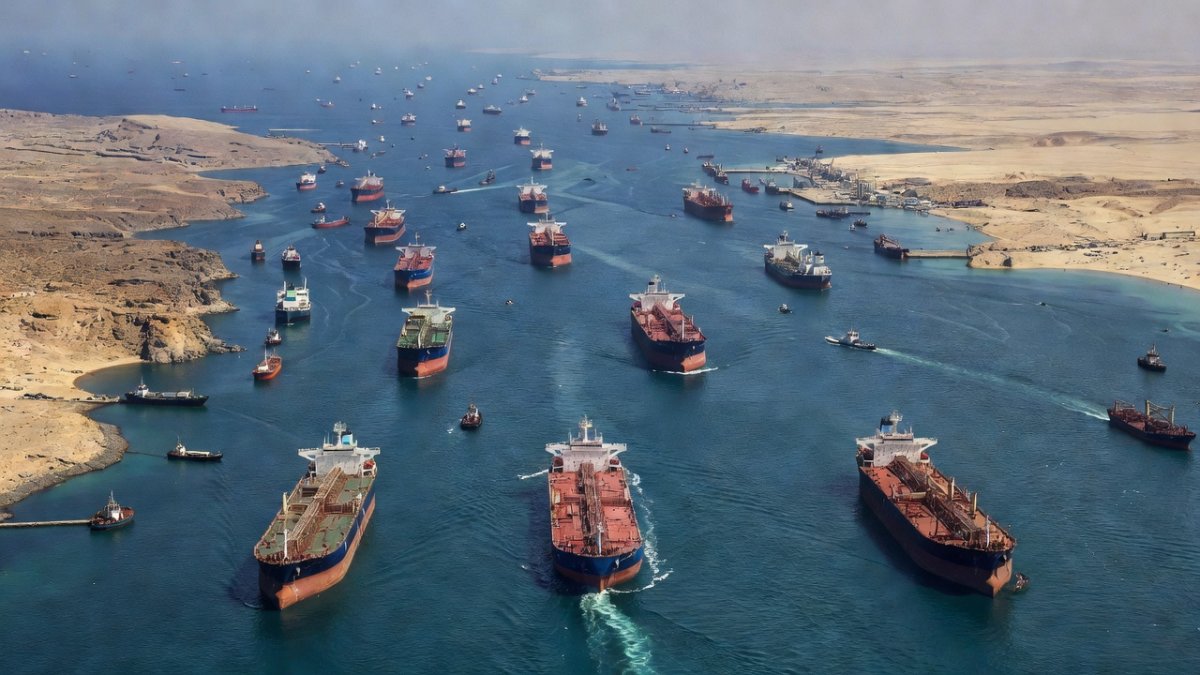
Disruption to the Strait of Hormuz and Resulting Market Volatility
The Iran conflict, which began in 2025 and continued into 2026, has affected oil shipments through the Strait of Hormuz. This waterway carries approximately 20 percent of global oil supply. Benchmarks have shown repeated fluctuations as participants assess risks to physical delivery routes. Gloystein noted that such volatility alone does not automatically trigger lasting change; instead, sustained uncertainty may encourage governments and companies to examine underlying supply structures.
Japan, which imports roughly 90 percent of its crude oil from the Middle East, faces direct exposure. The country’s status as the world’s third-largest economy amplifies the stakes of any sustained interruption. Officials at the Ministry of Economy, Trade and Industry (METI) have monitored daily price movements while also advancing longer-term planning under the Green Transformation (GX) framework first launched during the Kishida administration and continued by subsequent governments.
Japan’s Existing Policy Framework and Technology Targets
Japan’s METI Strategic Energy Plan sets a target for renewable energy to reach 36-38 percent of the power mix by fiscal 2030. The GX policy further commits the nation to carbon neutrality by 2050. These goals predate the current conflict yet gain additional relevance when supply routes face pressure. Nuclear power restarts, though politically sensitive, appear in discussions of energy security because they provide low-carbon baseload capacity that reduces reliance on imported fossil fuels.
Japanese firms have already positioned themselves in emerging technologies that could support diversification. Toyota continues development of hydrogen fuel-cell vehicles and related infrastructure. Toshiba and Mitsubishi Heavy Industries maintain active programs in hydrogen production, fuel cells, and advanced renewables. These corporate efforts align with METI’s emphasis on both supply security and emissions reduction.
Gloystein’s Assessment of a Structural Rather Than Cyclical Opportunity
During the NHK interview, Gloystein emphasized that the present crisis differs from previous short-lived price spikes. He suggested that governments might treat the period as a catalyst for accelerating existing diversification plans instead of merely buffering consumers against higher costs. This perspective resonates with Japan’s experience after earlier supply shocks, when policy shifted toward greater efficiency and alternative sources.
Analysts note that simply increasing spot purchases or drawing down strategic reserves addresses immediate needs but does not alter the fundamental concentration of supply. Gloystein’s remarks therefore point toward technology and infrastructure choices that could gradually lower dependence on any single chokepoint.
Regional Context Across the Asia-Pacific
China, the world’s largest oil importer, shares Japan’s vulnerability to Middle East disruptions. South Korea likewise depends heavily on the same shipping lanes. India’s rising energy demand adds another major player whose choices will influence global markets. The Asia-Pacific region already accounts for nearly half of worldwide energy consumption, making coordinated or parallel policy responses particularly consequential.
US-Japan cooperation on energy security and clean technology has featured in recent bilateral meetings. Joint research on hydrogen supply chains and grid-scale storage could receive additional impetus if policymakers view the current environment as an opportunity to lock in new trajectories.
Technology Pathways Under Consideration
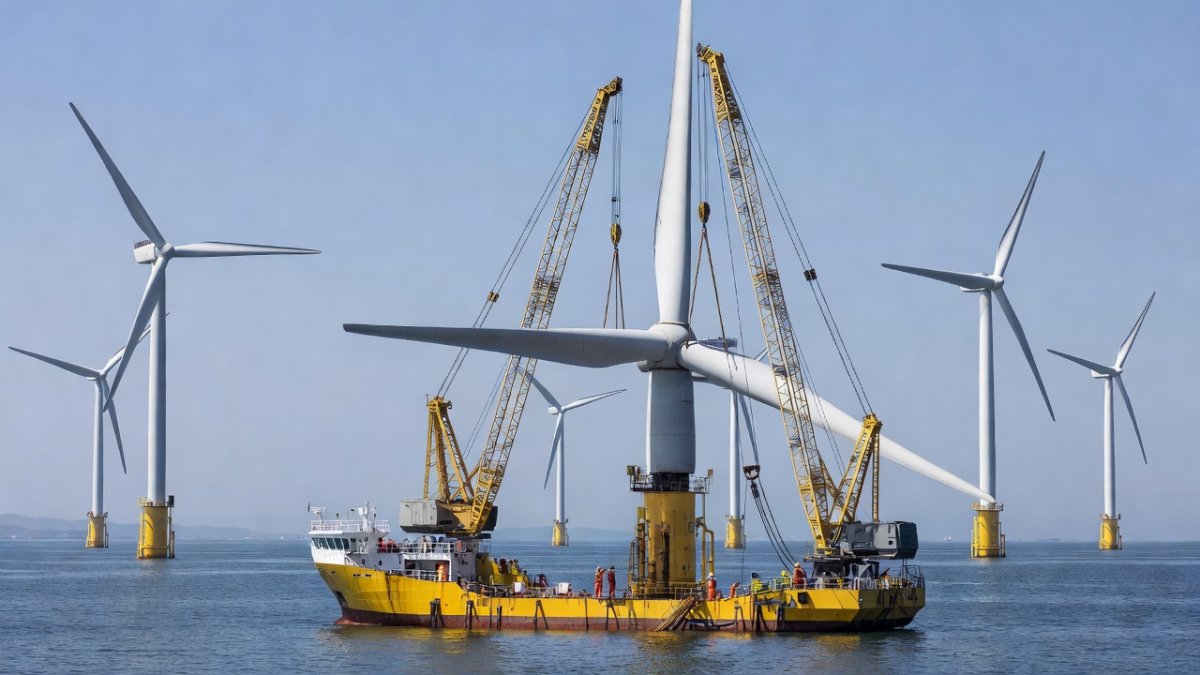
Renewable deployment, especially offshore wind and solar paired with battery storage, forms one pillar of Japan’s response. The 36-38 percent target by fiscal 2030 requires continued expansion of grid connections and permitting processes. Hydrogen and ammonia projects represent another avenue, leveraging Japan’s industrial base to import or produce low-carbon fuels for power generation and transport.
Nuclear technology also remains part of the discussion. While public acceptance varies, restarts of existing reactors and potential next-generation designs could contribute to both security and decarbonization objectives. METI continues to evaluate safety upgrades and waste-management solutions alongside these options.
Potential Long-Term Effects on Corporate Strategy
Companies such as Toyota, Toshiba, and Mitsubishi Heavy Industries may accelerate timelines for commercializing hydrogen and fuel-cell systems if policy signals strengthen. Supply-chain investments in Southeast Asia and Australia for critical minerals and renewable electricity could expand. These moves would complement, rather than replace, diplomatic efforts to stabilize traditional oil routes.
Gloystein cautioned that the window for decisive action might close if prices stabilize without corresponding policy follow-through. Historical patterns show that once immediate pressure eases, momentum for structural change can dissipate. Japan’s experience with post-2011 energy planning illustrates both the possibility of sustained reform and the political challenges involved.
Conclusion: Monitoring Developments Through Mid-2026 and Beyond
The NHK WORLD-JAPAN report of June 5, 2026, presents the Iran conflict as a moment when energy strategies could shift from reactive price management toward deliberate diversification. For Japan, the combination of high Middle East import dependence, established GX targets, and active corporate programs in hydrogen and renewables creates a concrete setting in which Gloystein’s “welcome opportunity” framing can be tested. Observers will watch METI budget allocations, project approvals, and bilateral technology agreements in the months ahead to determine whether the current volatility translates into lasting change.
By Kenji Tanaka, Staff Writer
This article was produced with AI-assisted research and editorial support. Reporting is based on sources cited in the article.
What's Your Reaction?
 Like
0
Like
0
 Dislike
0
Dislike
0
 Love
0
Love
0
 Funny
0
Funny
0
 Wow
0
Wow
0
 Sad
0
Sad
0
 Angry
0
Angry
0

Japan Correspondent at Global1.News. Tokyo-based voice covering Japanese politics, technology, economy, and culture. Tracks the intersection of tradition and innovation in one of the world's most dynamic societies.













Comments (0)