
1,000 Days Since October 7: Israel Marks Somber Anniversary With Memorials and Protests
In a recent i24NEWS English report titled "It's 1,000 days since the Oct. 7 massacre, how Israelis are honoring the somber memory," the broadcast captured nationwide moments of silence and protests as Israelis confronted the milestone on July 2-3, 2026. Israel Marks 1,000 Days Since October 7 Hamas Massacre With Memorials, Protests and Renewed Calls for State Inquiry Jerusalem,
Israel Marks 1,000 Days Since October 7 Hamas Massacre With Memorials, Protests and Renewed Calls for State Inquiry
Jerusalem, Israel — On July 2-3, 2026, Israel reached exactly 1,000 days since the Hamas-led attack of October 7, 2023, that killed 1,221 people and took 251 hostages into Gaza. The October Council, representing more than 1,500 survivors, bereaved families and former hostages, coordinated events across the country to mark the date. A minute of silence took place at 6:29 a.m., the precise time the first rockets were launched toward Israeli communities on October 7, 2023. Memorial ceremonies were held at the Nova massacre site near Re'im and in multiple Gaza border communities that suffered direct losses that day.
National Memorials and Commemorations
The October Council organized ceremonies at the Nova site near Re'im kibbutz, where hundreds of civilians were killed during the Supernova music festival. Similar events occurred in communities such as Be'eri, Kfar Aza and Nir Oz along the Gaza border. In Tel Aviv, Hostages Square was temporarily renamed Memory Square for the day, with black banners displayed along the perimeter. The IDF coordinated security for all sites, deploying additional units to prevent disruptions near the border fence.
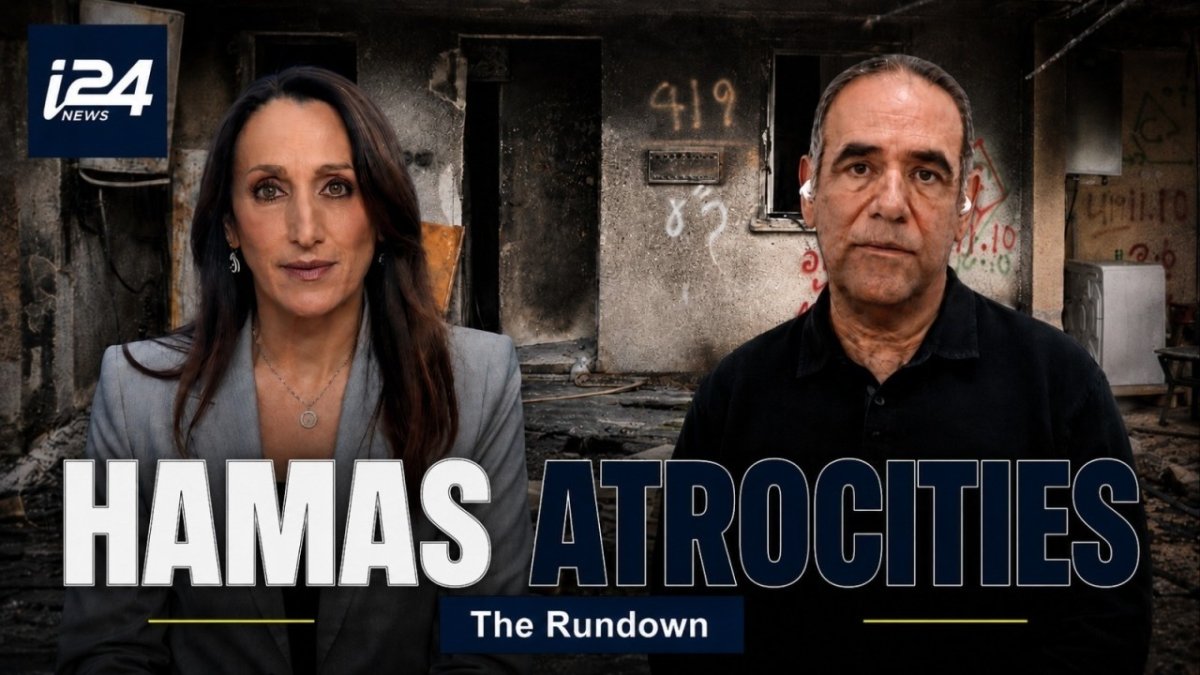
These locations remain central to daily security planning by the IDF Southern Command. Residents of the Gaza envelope communities continue to live under adjusted alert protocols established after October 7, 2023. The Foreign Ministry noted that diplomatic delegations from several European countries attended the Re'im ceremony, reflecting ongoing international attention to the border region.
Protests and Calls for Accountability
Thousands gathered in Tel Aviv to demand a state commission of inquiry into the government and security failures that preceded the attack. Protesters displayed banners reading "1,000 days of shiva" and "1,000 days of burying the truth." Eight demonstrators were arrested after blocking the Ayalon Highway, while police clashed with others outside the Knesset building in Jerusalem. Additional groups assembled outside the homes of Education Minister Yoav Kish, Knesset Speaker Amir Ohana and Culture Minister Miki Zohar.
The October Council formally called for an independent state commission, citing the need to examine decisions made by the Prime Minister's Office, the IDF General Staff and Shin Bet prior to October 7, 2023. The right-wing government has rejected this demand on multiple occasions, arguing that existing military and internal reviews are sufficient. The protests highlight divisions within Israeli society over how accountability should be pursued while the war in Gaza continues.
Voices of the Hostage Families
Released hostage Rom Braslavski addressed crowds in Tel Aviv, stating: "For you, it has been 1,000 days, but for me, it has been an eternity... I promise here that I will make October 7 the mission of my life." Einav Zangauker, mother of hostage Matan Zangauker, said the period represented "1,000 days of hell... Days of war, of cover-ups, of failure – this is Netanyahu's legacy." More than 100 hostages remain in Gaza, with several confirmed dead by Hamas.
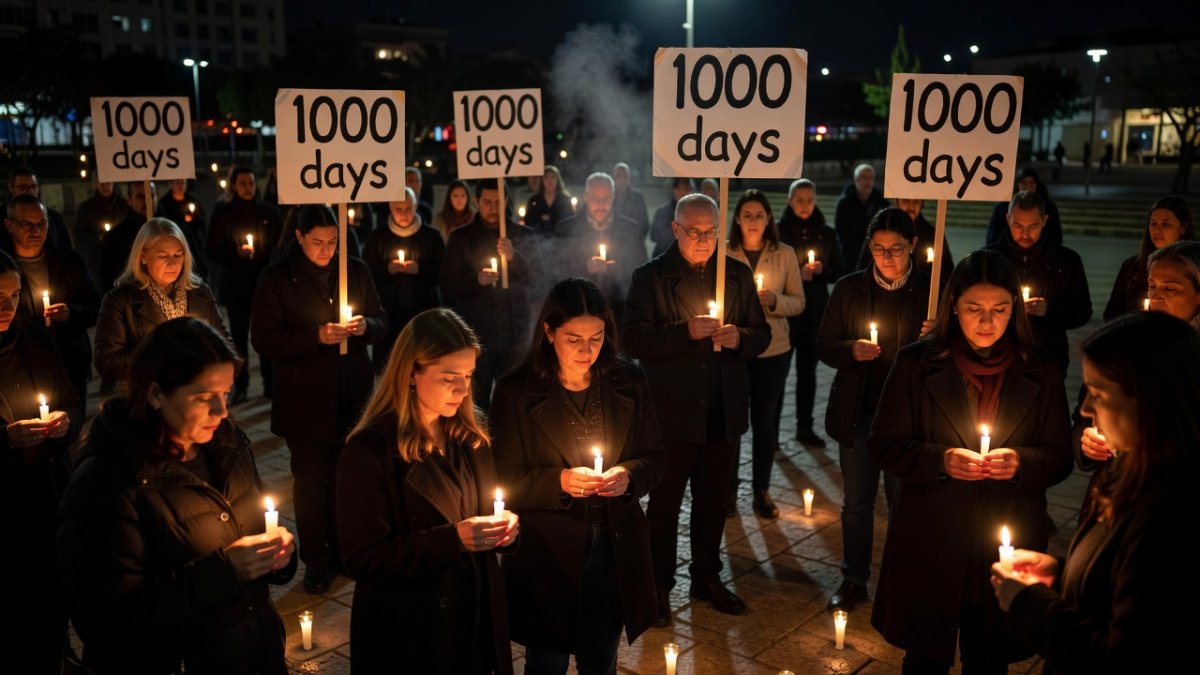
These statements reflect the ongoing pressure from hostage families on the Prime Minister's Office and the IDF to prioritize remaining captives. Daily life for families in central Israel continues to include weekly vigils at Hostages Square, now Memory Square, where photographs of those still held are maintained. The October Council has coordinated legal petitions to the High Court of Justice seeking greater transparency on hostage negotiations.
The Political Divide
Prime Minister Benjamin Netanyahu told Channel 14 that the main personal change since October 7, 2023, was weight loss, a remark that drew immediate criticism from opposition parties and hostage families. The right-wing coalition has maintained its position against a broad state commission, directing inquiries instead to military and intelligence bodies. Opposition leaders in the Knesset have argued that only an independent commission can address systemic failures across the PMO, IDF and Shin Bet.
This standoff affects public trust in institutions in Jerusalem and Tel Aviv. Polls conducted by Israeli media outlets show persistent public support for an external review, particularly among residents of the Gaza border region who lost family members on October 7, 2023. The debate also influences coalition stability ahead of potential early elections.
Regional and International Context
The October 7, 2023 attack triggered the ongoing war in Gaza, with the IDF conducting operations against Hamas infrastructure. Hezbollah has maintained rocket fire from Lebanon, while Iranian-backed groups in Syria and Iraq have conducted periodic attacks on Israeli positions. The Foreign Ministry has coordinated with the United States and European Union on hostage-release efforts and postwar planning for Gaza.
Security assessments by the IDF Northern Command and Shin Bet continue to monitor threats from multiple fronts. Daily life in northern communities includes frequent shelter alerts, while diplomatic efforts focus on preventing wider escalation involving Iran. The 1,000-day mark has prompted renewed statements from the UN and EU calling for resolution of the hostage issue and Gaza ceasefire talks.
What 1,000 Days Means
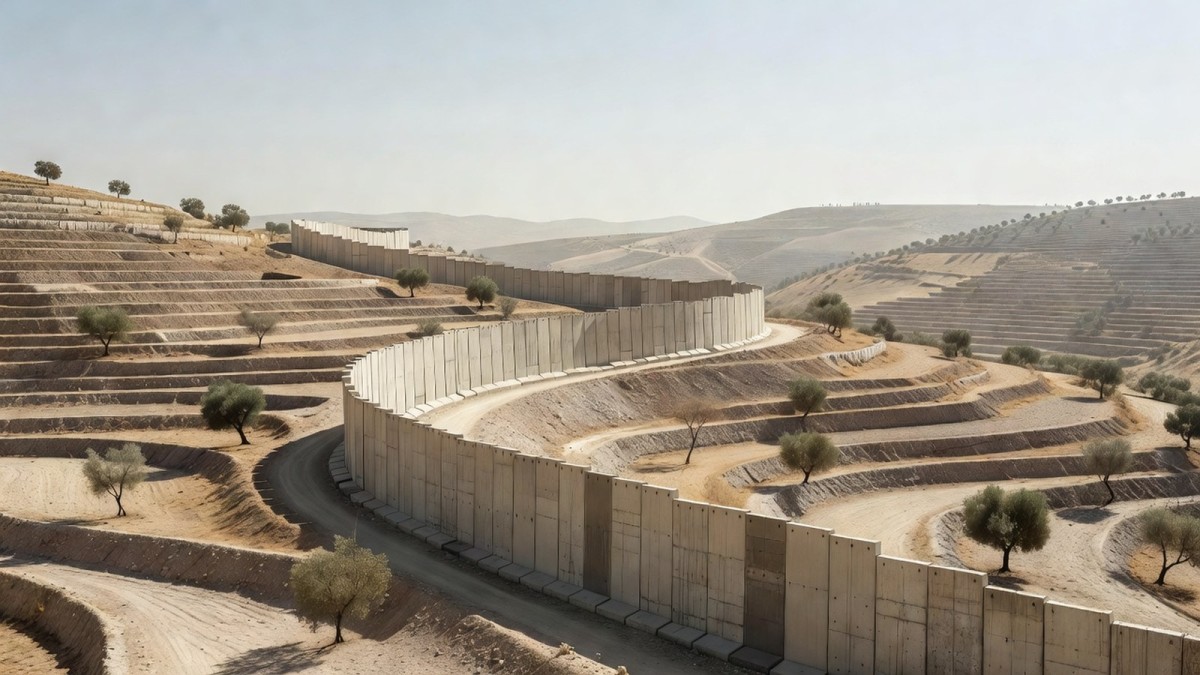
The milestone underscores the lasting impact on Israeli society, from altered routines in Tel Aviv cafes to reinforced security at crossings into the West Bank and Gaza. The October Council's events and the protests together illustrate competing visions for how Israel should process the failures of October 7, 2023, while the war continues. For families of the remaining hostages, the date reinforces demands that the government treat their return as a national priority.
Security officials in the IDF and Shin Bet have stated that lessons from the attack have already changed operational procedures along the Gaza border. Yet the absence of a state commission leaves open questions about political responsibility that continue to surface in Knesset debates and public demonstrations. The coming months will test whether these divisions affect Israel's ability to address ongoing threats from Hamas and its regional allies. By Hannah Berg, Staff Writer
This article was produced with AI-assisted research and editorial support. Reporting is based on sources cited in the article.
What's Your Reaction?
 Like
0
Like
0
 Dislike
0
Dislike
0
 Love
0
Love
0
 Funny
0
Funny
0
 Wow
0
Wow
0
 Sad
0
Sad
0
 Angry
0
Angry
0
Israel Correspondent at Global1.News. Based in Tel Aviv, covering Israeli politics, security, technology, and society. Provides balanced, deeply-sourced reporting on one of the most closely-watched regions in the world.














Comments (0)