
Ronaldo Breaks Knockout Curse as Portugal Edge Croatia...
Bafana Bafana supporters, fire up those vuvuzelas and settle in because Portugal just delivered a World Cup knockout thriller that had SuperSport viewers on the edge of their seats from the first whistle. On Thursday July 2 2026 at Toronto Stadium in Ontario Canada the Selecao edged Croatia 2-1 in the Round of 32 with Cristiano Ronaldo finally breaking his World Cup knockout du
Bafana Bafana supporters, fire up those vuvuzelas and settle in because Portugal just delivered a World Cup knockout thriller that had SuperSport viewers on the edge of their seats from the first whistle. On Thursday July 2 2026 at Toronto Stadium in Ontario Canada the Selecao edged Croatia 2-1 in the Round of 32 with Cristiano Ronaldo finally breaking his World Cup knockout duck from the penalty spot before Goncalo Ramos headed the winner in the 94th minute. This result sets up a mouth-watering Round of 16 clash against Spain in Dallas on Monday and it carries lessons for every South African football fan watching at home.
Ronaldo Breaks Knockout Curse as Portugal Edge Croatia 2-1 in Toronto Classic
Toronto, Canada – July 2, 2026 — Portugal survived a barrage of Croatian chances and multiple VAR interventions to advance from the 2026 FIFA World Cup Round of 32 with a dramatic 2-1 victory at Toronto Stadium. The match remained goalless at half-time despite clear openings for both sides before Ivan Perisic gave Croatia the lead in the 53rd minute. Ronaldo’s first-ever World Cup knockout goal from the penalty spot levelled proceedings and Goncalo Ramos completed the comeback with a 90+4 minute header from a Rafael Leao assist.
Match Analysis — First Half and Croatia’s Breakthrough
The opening 45 minutes at Toronto Stadium showcased disciplined defending from both Portugal and Croatia with neither side able to convert promising build-up play into a goal. Portugal goalkeeper Diogo Costa was alert to several Croatian forays while Croatia’s back line kept Ronaldo and his teammates at bay through organised pressing. South African viewers on SuperSport would have recognised the tactical discipline on display similar to the compact structures Bafana Bafana often employ against stronger opponents in Africa Cup of Nations qualifiers.
Despite the scoreless first half both teams created concrete opportunities that hinted at the drama to come. Portugal worked the ball into dangerous areas through midfield transitions while Croatia relied on width and overlapping runs to stretch the Portuguese defence. The lack of a breakthrough before the interval reflected the high quality of goalkeeping and last-ditch defending rather than any lack of intent from either side.
Three minutes after the restart Ivan Perisic broke the deadlock by slotting the ball under Diogo Costa after a swift Croatian counter. The goal rewarded Croatia’s persistence and gave them a platform to control proceedings for the next ten minutes. For South African fans this moment echoed the frustration felt when Bafana concede early in crucial matches leaving the team chasing the game against technically superior sides.
Portugal responded immediately with a disallowed Ronaldo strike that was ruled offside by the assistant referee. The decision kept the score at 1-0 to Croatia and forced the Portuguese to regroup rather than celebrate an equaliser. The sequence underlined how fine margins define knockout football at this level.
Ronaldo’s Response — Penalty and History Made
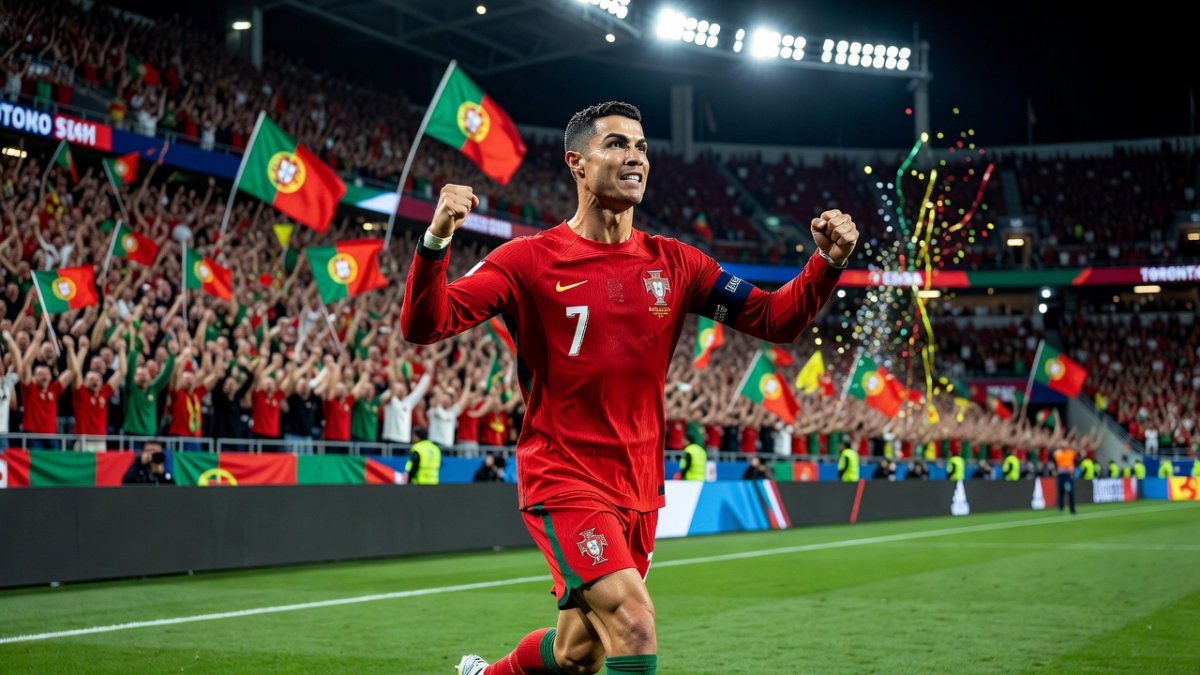
Minutes after the disallowed goal Portugal earned a penalty when Renato Veiga was grabbed inside the area by Nikola Vlasic. The VAR check confirmed the infringement and awarded the spot-kick that gave Ronaldo the chance to write his name into World Cup history. The 41-year-old stepped up and converted down the middle sending the goalkeeper the wrong way for his first-ever knockout-stage goal at a FIFA World Cup.
Ronaldo’s celebration after the penalty told the story of years of near-misses in previous tournaments. He pumped his fists toward the Portuguese bench and the travelling supporters inside Toronto Stadium. The moment resonated far beyond Portugal because Ronaldo’s global appeal has long made him a household name among South African football fans who have followed his club and international career on local broadcasts.
Coach Roberto Martinez withdrew Ronaldo in the 81st minute replacing him with Ruben Neves to manage the veteran’s workload ahead of the Round of 16. The substitution allowed Portugal to maintain midfield control while protecting their talisman for the upcoming clash against Spain. South African coaches watching on SuperSport would have noted the importance of squad rotation in high-stakes knockout ties.
The penalty conversion shifted momentum decisively toward Portugal and forced Croatia to chase an equaliser. It also highlighted how individual brilliance can still decide matches even in an era dominated by collective pressing and tactical organisation.
VAR Drama and Croatia’s Heartbreak
VAR interventions shaped the final outcome at Toronto Stadium with multiple decisions going against Croatia in the closing stages. Mateo Kovacic saw his low shot pushed onto the post by Diogo Costa’s fingertips while Petar Sucic had a goal disallowed after the assistant referee raised the flag for a clear offside. Mario Pasalic came closest to restoring parity with a header at the far post that bounced just wide of the upright.
The most painful moment for Croatia arrived in the dying seconds when Josko Gvardiol’s effort was chalked off for offside leaving the Croatian players stunned on the pitch. Each of these incidents required careful review and demonstrated the fine line between progression and elimination in modern World Cup football. South African supporters familiar with VAR debates in the Premier Soccer League would have recognised the same mix of relief and controversy that accompanies technology-assisted decisions.
Portugal’s goalkeeper Diogo Costa proved decisive with his fingertip save on Kovacic preventing an immediate Croatian response after the penalty. The save kept the score at 1-1 and allowed Portugal to push forward in search of a winner rather than defend a narrow deficit. Costa’s concentration under pressure mirrored the standards expected from top-level goalkeepers in high-pressure knockout matches.
These VAR moments sparked widespread discussion among South African viewers about consistency and the human element that remains even with technology. The heartbreak experienced by Croatia offered a reminder that every decision carries consequences that can end a nation’s tournament hopes in an instant.
Goncalo Ramos — The Super Sub Seals It
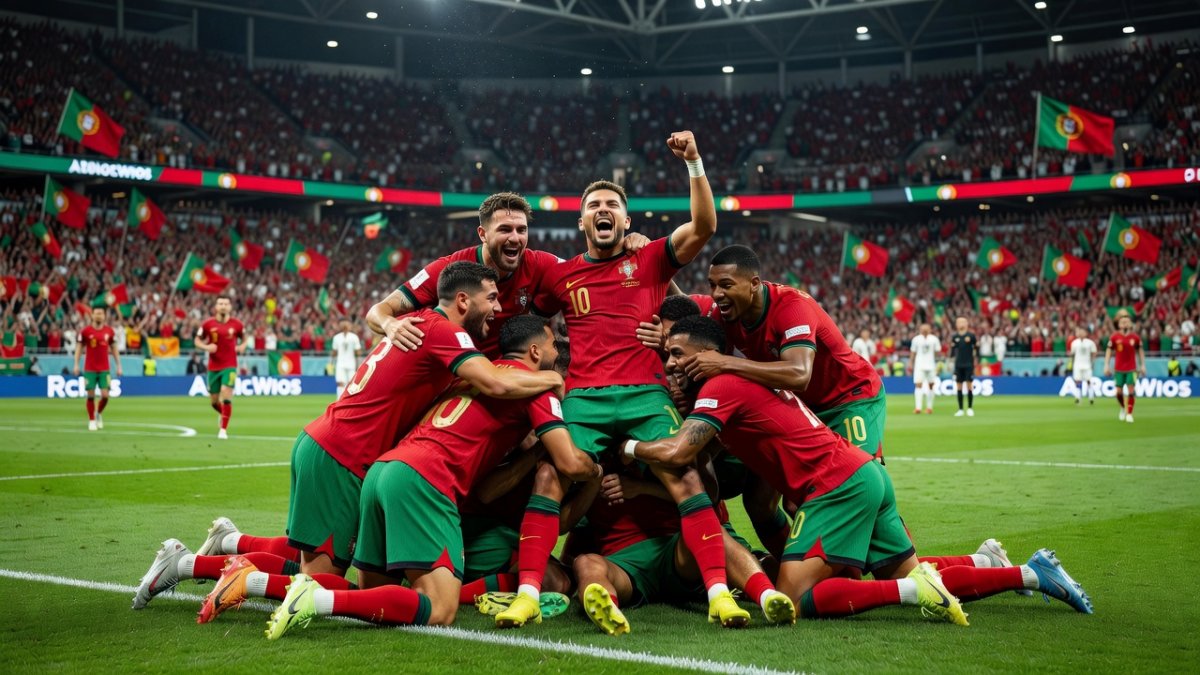
In the fourth minute of added time Goncalo Ramos rose highest to meet a superb cross from Rafael Leao and direct a header past the Croatian goalkeeper for the 2-1 winner. The finish capped a rapid counter-attack that exploited spaces left by Croatia’s desperate search for an equaliser. Ramos’s clinical header demonstrated the squad depth that has become a hallmark of this Portuguese generation.
Leao’s assist showcased the Benfica connection that continues to produce technically gifted attackers capable of delivering in decisive moments. The winger’s vision and delivery created the exact opportunity Ramos needed to make his impact felt from the bench. South African football development programmes can draw parallels with the pathway that links youth academies to senior national-team success.
Portugal’s ability to call upon players of Ramos’s quality from the substitutes’ bench underlines the structural advantages enjoyed by nations with deep talent pools. The 94th-minute goal also reflected the fitness levels required to maintain attacking threat deep into extra time in knockout fixtures. Bafana Bafana coaches studying the match on SuperSport will see the value of developing versatile forwards who can change games late on.
The winner sent Portuguese supporters into raptures and left Croatia eliminated despite their spirited performance. Ramos’s contribution reinforced the message that squad players must be ready to deliver when called upon in the biggest tournaments.
What This Means for South African Football Fans
South African viewers following the match on SuperSport witnessed a contest that combined individual brilliance with collective resilience and technological controversy. The drama in Toronto offered a masterclass in how knockout football rewards teams that maintain composure through VAR reviews and late surges. Bafana Bafana supporters could draw direct comparisons to the challenges their own national team faces when competing against technically superior opponents.
The unifying power of World Cup matches remains evident in living rooms across South Africa where families gather to watch every kick. Portugal’s victory highlighted the importance of mental strength and tactical flexibility two areas where South African football continues to invest through SAFA development programmes. Grassroots coaches can use clips from this game to illustrate pressing triggers and set-piece organisation.
Transformation in South African football benefits when young players see role models like Ronaldo and Ramos succeeding through dedication and skill. The match also underscored the role of broadcasting partners such as SuperSport in bringing global standards into South African homes and inspiring the next generation of talent. These shared viewing experiences strengthen the cultural fabric of the sport in the country.
Ultimately the 2-1 result reminded South African fans that every World Cup story contains setbacks and comebacks that mirror the journey of local clubs and the national team. The lessons from Toronto extend beyond the pitch into boardrooms and training fields where decisions about youth pathways and coaching education are made daily.
What to Watch For — Portugal vs Spain
Portugal will face Spain in the Round of 16 on Monday in Dallas with Ronaldo expected to lead the line once more against a Spanish side featuring Alvaro Morata. The tactical battle between Portugal’s counter-attacking threat and Spain’s possession-based approach will provide further material for South African analysts studying European styles. SAFA technical staff will be watching how both teams manage transitions and set-piece defending.
Spain’s ability to control tempo through midfield will test Portugal’s defensive organisation in ways Croatia could not fully exploit. The match offers a chance for South African coaches to observe pressing triggers and positional rotations that can be adapted to local conditions. The outcome will also influence how Bafana Bafana prepare for future encounters against similarly structured opponents.
Portugal’s squad depth demonstrated in Toronto gives them confidence heading into the Dallas fixture. South African football development can benefit from studying how Portugal integrates young talents like Ramos alongside established stars. The lessons extend to grassroots programmes where similar integration strategies could accelerate player pathways.
Every South African supporter will be tuning in to see whether Ronaldo can add another chapter to his knockout legacy or whether Spain’s collective quality proves decisive. The tactical nuances on display will feed directly into conversations about how South African football can close the gap at international level.
The 2-1 victory in Toronto proved once again that World Cup football rewards belief, preparation and the courage to seize moments when they arrive. South African fans can carry that same spirit into their own domestic season knowing that the global game continues to offer inspiration and instruction in equal measure. The road to 2030 begins with lessons learned from nights like this one.
By Dante Williams, Staff Writer
This article was produced with AI-assisted research and editorial support. Reporting is based on sources cited in the article.
What's Your Reaction?
 Like
0
Like
0
 Dislike
0
Dislike
0
 Love
0
Love
0
 Funny
0
Funny
0
 Wow
0
Wow
0
 Sad
0
Sad
0
 Angry
0
Angry
0

Breaking News and Investigations Correspondent at Global1.News. Based in London, covering global breaking news, security, and investigative stories. Known for digging deeper and connecting the dots across continents.










Comments (0)