
Springboks vs England: Nations Championship Preview
**Keywords:** Springboks, England rugby, Nations Championship, Ellis Park, Siya Kolisi, Rassie Erasmus, Cheslin Kolbe, Eben Etzebeth, South Africa rugby, SuperSport 120 Years of History Meets a New Era The Springboks and England have clashed 48 times since that first December 1906 meeting at Crystal Palace, with South Africa holding a commanding 28-16-2 lead. Every generation o
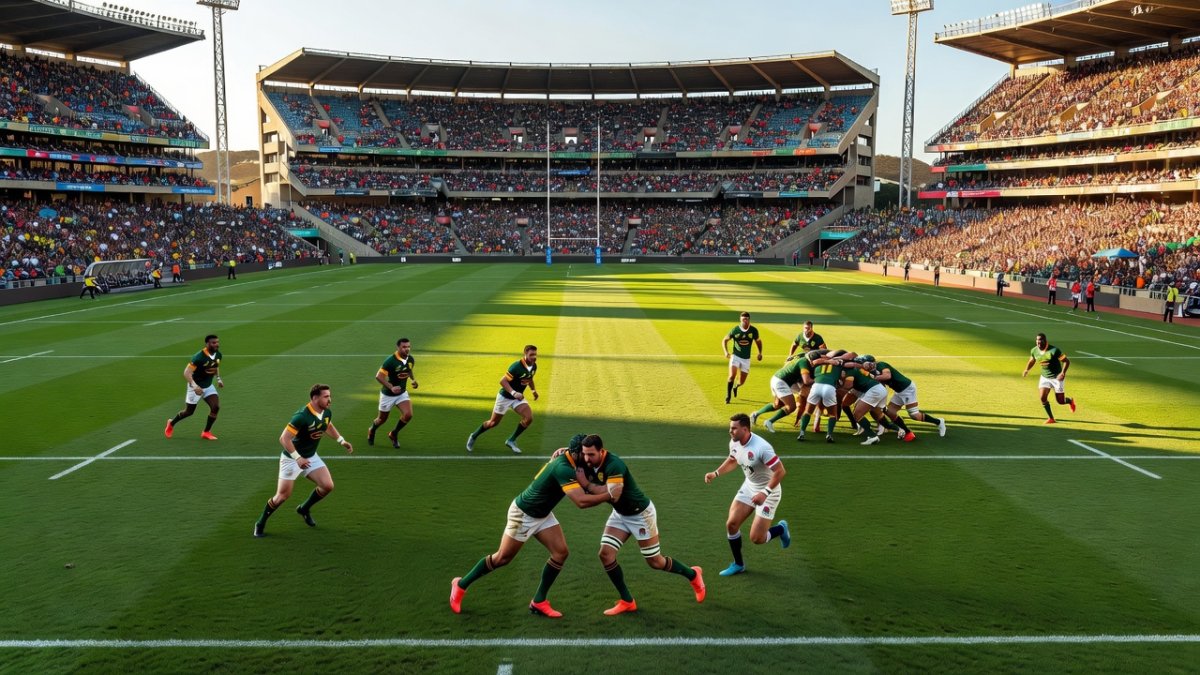
120 Years of History Meets a New Era
The Springboks and England have clashed 48 times since that first December 1906 meeting at Crystal Palace, with South Africa holding a commanding 28-16-2 lead. Every generation of Bok supporters has grown up knowing the weight of these fixtures. The 2024 encounter ended 29-20 in favour of the Springboks, continuing a recent run of dominance that includes the 2019 and 2023 Rugby World Cup victories over the same opponent. Yet the record at Ellis Park tells its own story: the last time England visited in 2018, a young Siya Kolisi led the side for the first time, marking the beginning of a new leadership era that transformed South African rugby culture.
That 2018 afternoon carried extra significance because it coincided with the start of the Kolisi captaincy, a moment that symbolised transformation and unity in post-apartheid South Africa. Fans still speak about the roar when Kolisi lifted the trophy after the series win. The rivalry carries the scars of hard-fought battles at Loftus, Newlands and Twickenham, but Ellis Park remains the spiritual home for these heavyweight collisions. The green and gold jersey carries the expectations of an entire nation every time the Boks run out against England. This Nations Championship opener revives that 120-year narrative inside a brand-new annual structure, giving supporters a fresh reason to measure their team against the old foe while honouring the sacrifices of generations who wore the same colours before them.
The cultural resonance runs deeper than statistics. In townships and suburbs alike, children still dream of wearing number seven like Kolisi or locking the scrum like Etzebeth. The fixture has always been about more than points; it is about national pride and the constant drive to prove South African rugby belongs at the very top table.
Double-Header History: Springbok Women Take the Stage First
The Springbok Women face the USA at 13h30 in what will be the first Test between the two nations on South African soil. This curtain-raiser forms part of a deliberate double-header designed to showcase the full breadth of South African rugby. Supporters arriving early at Ellis Park will witness both the women’s and men’s teams contribute to a single day of celebration that reflects how far the game has come since the introduction of professional structures for women in 2020.
The growth of women’s rugby in South Africa has been steady rather than spectacular, yet the foundations are now firmly in place. The establishment of a full-time contracted squad, regular international windows and increased broadcast exposure on SuperSport have created pathways that simply did not exist a decade ago. Young girls in the Western Cape and Gauteng now see role models in the green and gold rather than having to look overseas. The USA match offers valuable experience against a physical opponent and a chance to build combinations ahead of future Rugby World Cup cycles.
Having the women’s game open proceedings also sends a clear message to the broader rugby community. Transformation and inclusion are not slogans; they are visible when thousands of fans fill the stands hours before the men’s Test begins. The atmosphere created by early arrivals will carry through to the main event, giving the Springbok men an extra lift as they run out later in the afternoon. This double-header format could become a template for future domestic and international windows, strengthening the entire ecosystem from grassroots clubs to the national team.
Team News: Two 50-Cap Milestones and a Familiar Starting Fifteen
Cheslin Kolbe and Damian Willemse will both earn their 50th caps in the same match, a rare and emotional milestone for two players who have been central to South Africa’s success since 2018. Kolisi will captain the side for the 72nd time, while Eben Etzebeth moves to 141 caps, underlining the experience packed into the forward pack. The starting fifteen shows continuity rather than revolution, with Rassie Erasmus opting for a settled combination that knows each other’s games inside out.
Franco Mostert and Lood de Jager are unavailable through injury and illness respectively, forcing adjustments in the second row. Malcolm Marx starts at hooker, with Jan-Hendrik Wessels on the bench to provide cover. The bench also includes players who featured prominently in the 2023 World Cup campaign, ensuring impact and freshness in the final quarter. Erasmus has spoken openly about the need for balance between the physical demands of the new competition and the welfare of senior players across 13 Tests in 2026.
Each selection carries tactical intent. Kolbe’s inclusion on the wing provides counter-attacking threat and defensive solidity, while Willemse’s distribution from full-back offers an extra playmaker. The decision to retain the same loose-forward trio that started the 2024 series against England reflects trust in their collective work rate at the breakdown. South African supporters will recognise the familiar names and understand that Erasmus is building depth without discarding the core that delivered recent success.
Tactical Breakdown: Where This Match Will Be Won
Forward dominance and set-piece accuracy will decide much of the contest. The Springboks have historically used their lineout as a platform for driving mauls that sap English energy, and with Malcolm Marx at hooker the accuracy should remain high. Etzebeth’s presence at lock provides both aerial security and the physical edge required to disrupt England’s ball carriers. Libbok’s distribution from fly-half will be closely watched; his ability to vary tempo and find space for the back three remains a key attacking weapon.
The back three of Kolbe, Willemse and the left wing will stretch England’s defence whenever turnover ball appears. England are expected to start Pollock at number eight and Feyi-Waboso on the wing, signalling an intent to play with width and counter-attack. The breakdown battle will be ferocious, with both sides fielding specialist jackals who can slow or steal possession. Erasmus has described the encounter as a bruising one, preparing his players for a physical examination that will test their conditioning after the early-season break.
Key moments will revolve around how the Springboks manage the high ball and how England’s scrum responds under pressure at altitude. If the Boks can win the gain-line battle in the first 20 minutes, they will likely build a platform that England will struggle to claw back. The tactical chess match between Erasmus and Borthwick promises to be as compelling as the physical contest itself.
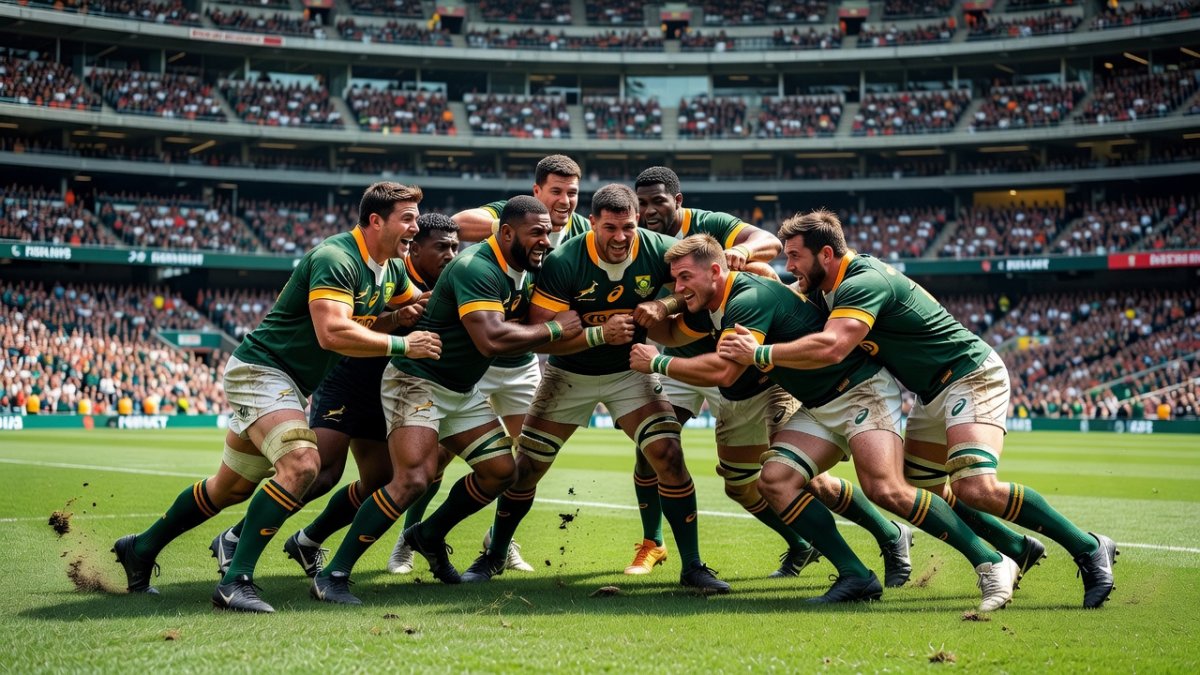
England Under the Microscope: A Side in Transition
Steve Borthwick’s squad arrives with five uncapped players and a captain in Jamie George who must steady a side still searching for consistency after a disappointing Six Nations. The selection of Pollock at number eight represents a clear statement of intent to inject dynamism into the back row. England’s predicted lineup mixes seasoned campaigners with emerging talent, yet questions remain about their ability to sustain intensity across 80 minutes against a Springbok pack that thrives on physical confrontation.
Borthwick has spoken of blending experience with youth, but the reality is that several of the new caps will be tested immediately by the altitude and the crowd noise at Ellis Park. Feyi-Waboso’s pace on the wing offers a counter-attacking threat, yet he will face one of the most demanding defensive examinations of his career against Kolbe and the Bok midfield. The English scrum will need to function under sustained pressure if they hope to stay in the contest beyond half-time.
For South African observers, England’s transition period presents an opportunity. The Boks have historically performed best when opponents are still finding their identity. However, any complacency would be dangerous; England remain capable of clinical moments that can punish even the most organised defence. The match will reveal how far Borthwick’s project has progressed and whether the new faces can rise to the occasion on foreign soil.
The Ellis Park Factor
Ellis Park sits at altitude and carries a unique atmosphere that visiting teams consistently underestimate. The 1995 Rugby World Cup Final remains the defining memory, but countless other Tests have shown how the thin air and the passionate crowd combine to sap the legs of opponents in the final quarter. The noise levels inside the stadium when the Springboks score can be deafening, creating an environment where mistakes become more likely and momentum swings feel amplified.
The Springbok Women’s curtain-raiser will already have the stands buzzing by the time the men’s team runs out. That early energy feeds directly into the main event, giving the home side an immediate psychological advantage. Historically, England have found the venue particularly challenging; the 2018 series loss remains fresh in the memory of both sets of supporters. The combination of altitude, crowd and the intimidating physical presence of the Bok forwards creates a perfect storm that few touring sides navigate successfully.
Local fans understand the venue’s quirks better than any opposition analyst. They know which stands generate the loudest support and how the wind patterns can affect high balls late in the game. This intimate knowledge becomes another weapon in the Springboks’ arsenal when the match reaches its decisive stages.
What to Watch For on Saturday
The 50th caps for Kolbe and Willemse will provide emotional highlights, yet the real story will unfold in the set-piece battle and the scrum exchanges. England’s ability to disrupt South African lineout ball will be tested early, while the Bok scrum must maintain its reputation for dominance. The counter-attacking threat posed by England’s back three cannot be ignored; one missed tackle could shift momentum instantly.
Bench impact will prove decisive. Erasmus has selected a strong finishing unit that includes World Cup winners capable of raising the intensity when fatigue sets in. The first whistle will set the tone, but the final 20 minutes will likely determine the winner. Supporters should watch how Libbok manages the game’s tempo and whether the Bok forwards can maintain their carrying power after the hour mark.
Every phase carries significance in a new competition where points differentials may matter later in the season. The match promises the trademark physicality and tactical discipline that define Springbok rugby, delivered in front of a home crowd that expects nothing less than victory.
The Broader Picture: What This Season Means for SA Rugby
Thirteen Tests in 2026 represent the most demanding schedule the Springboks have faced in years. Four encounters against New Zealand will define the Rugby Championship portion, while the November tour will test depth against European opposition. Player welfare has become a central concern for SARU and the franchises, with the Currie Cup and United Rugby Championship serving as vital feeder systems that must produce ready-made replacements when injuries occur.
Erasmus continues to build squad depth that stretches beyond the starting fifteen. The emergence of new caps alongside established stars ensures that the national team remains competitive even when key players rest. Transformation targets remain a priority, with the women’s programme and schoolboy structures receiving increased investment to sustain the talent pipeline. National pride is invested in every result, yet the long-term health of the game in South Africa depends on balancing success on the field with sustainable structures off it.
The Nations Championship offers a stable framework that replaces the uncertainty of previous tours. For fans, players and administrators alike, the competition represents both opportunity and responsibility. Success in 2026 will be measured not only by trophies but by the continued growth of the sport across all communities in South Africa.
Tags: Springboks, England, Nations Championship, Ellis Park, Siya Kolisi, Rassie Erasmus, Cheslin Kolbe, Eben Etzebeth, South Africa rugby, SuperSport, rugby preview
By Dante Williams, Staff Writer
This article was produced with AI-assisted research and editorial support. Reporting is based on sources cited in the article.
What's Your Reaction?
 Like
0
Like
0
 Dislike
0
Dislike
0
 Love
0
Love
0
 Funny
0
Funny
0
 Wow
0
Wow
0
 Sad
0
Sad
0
 Angry
0
Angry
0

Breaking News and Investigations Correspondent at Global1.News. Based in London, covering global breaking news, security, and investigative stories. Known for digging deeper and connecting the dots across continents.














Comments (0)