
Bafana Bafana Make World Cup 2026 Knockout History
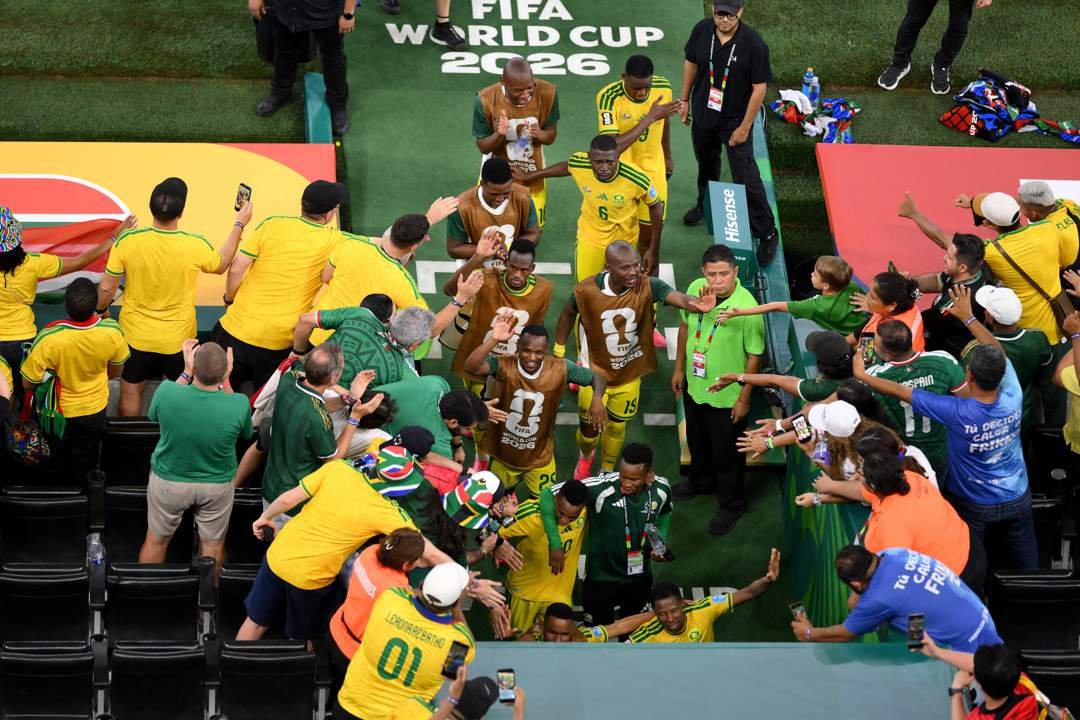
The Moment Monterrey Stood Still The final whistle at Monterrey Stadium on Thursday, 25 June 2026, unleashed a roar that rolled across the Mexican night like a Springbok charge. Bafana Bafana had just beaten South Korea 1-0 to finish second in Group A and book their place in the Round of 32 for the first time in history. Players dropped to their knees on the pitch while the sma
The Moment Monterrey Stood Still
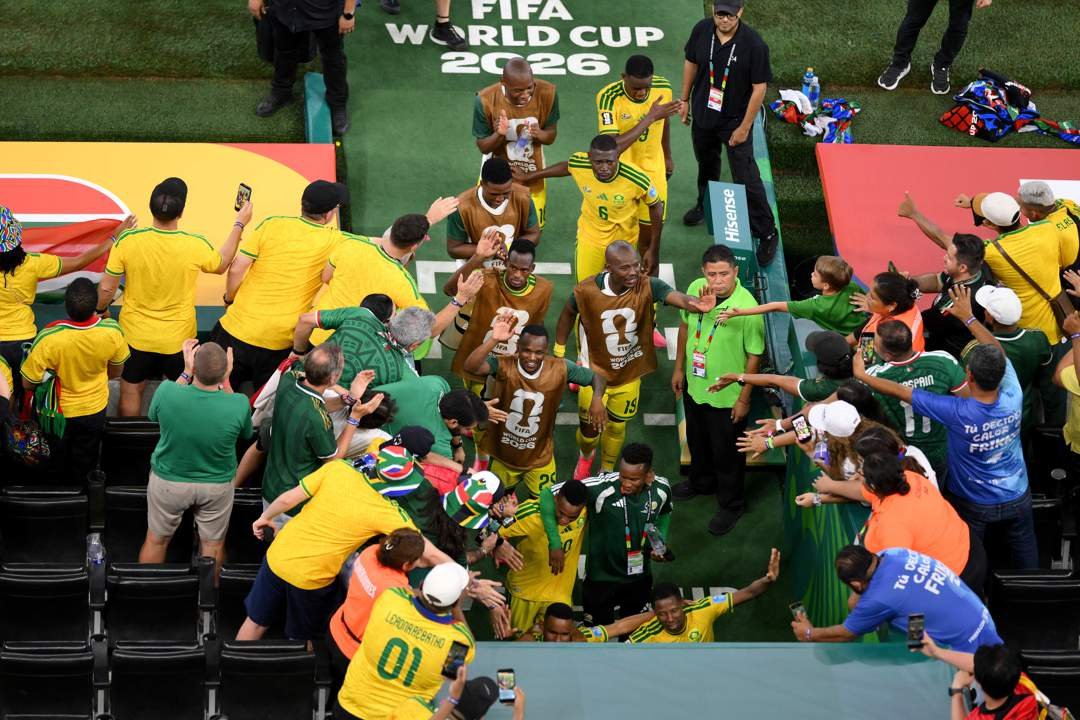
The final whistle at Monterrey Stadium on Thursday, 25 June 2026, unleashed a roar that rolled across the Mexican night like a Springbok charge. Bafana Bafana had just beaten South Korea 1-0 to finish second in Group A and book their place in the Round of 32 for the first time in history. Players dropped to their knees on the pitch while the small but vocal South African support section erupted in song, their voices carrying the weight of 16 years since the nation last appeared at a World Cup.
Flags of green and gold waved furiously as fans embraced strangers, tears mixing with sweat under the stadium lights. The result meant Mexico topped the group, but South Africa’s second-place finish secured the knockout berth that had eluded every Bafana side since the 2010 tournament hosted on home soil. In that instant, decades of near-misses and heartbreaks felt distant.
Back home, living rooms from Soweto to Durban exploded with celebration. Social media lit up with clips of the goal and the final whistle, while commentators on SuperSport struggled to contain their emotion. This was not just a win; it was a statement that South African football had returned to the global stage with purpose.
The Goal: Maseko’s 63rd-Minute Strike
Everything changed in the 63rd minute when substitute Tshepang Moremi collected the ball on the right and drove forward with purpose. The young attacker spotted Thapelo Maseko making a clever run between two South Korean defenders and delivered a perfectly weighted pass that split the backline. Maseko took one touch to control and another to finish low past goalkeeper Kim Seung-gyu.
The strike was clinical and born from the tactical discipline Hugo Broos had drilled into the squad. Moremi’s introduction had injected fresh legs and vision, turning a tight contest into a moment of South African brilliance. Maseko’s celebration, sliding toward the corner flag, captured the release of pressure that had built across three group matches.
Relebohile Mofokeng’s earlier work on the left flank had helped stretch South Korea’s defence, creating the space that ultimately allowed the goal. Against a side featuring Son Heung-min and Kim Min-jae, the timing and execution proved decisive. That single moment rewrote South African football history.
Group A Journey: From Mexico to Monterrey
Bafana’s campaign began with a 2-0 defeat to Mexico, a result that exposed early nerves but also highlighted areas for improvement. The team absorbed pressure and showed glimpses of the counter-attacking threat that would later prove vital. Despite the loss, the players left the field knowing the tournament was far from over.
The second match delivered a vital 1-1 draw against Czechia, sealed by Teboho Mokoena’s penalty. Mokoena stepped up under immense pressure and converted calmly, earning a precious point that kept qualification hopes alive. The result demonstrated the squad’s growing resilience and tactical maturity under Broos.
Everything culminated in the 1-0 victory over South Korea. With Mexico already assured of topping the group, South Africa needed only a win to secure second place. The narrow scoreline reflected a disciplined performance that prioritised structure over spectacle, delivering the historic qualification the nation had waited for since 2010.
Defensive Heroics That Defined the Campaign
Aubrey Modiba’s goal-line clearance in the second minute against South Korea set the tone for an evening of defensive resolve. The left-back reacted instinctively to deny an early opener, preventing Son Heung-min’s side from settling into rhythm. That single act of alertness shifted momentum and gave Bafana the platform to grow into the game.
Throughout the tournament the backline maintained remarkable discipline. Whether facing Mexico’s attacking width or Czechia’s set-piece threat, the defenders stayed organised and communicated effectively. Modiba’s clearance was the most dramatic example, but the collective effort across all three matches proved equally important.
Goalkeeper and centre-backs worked in tandem to limit clear chances, allowing the midfield to focus on transitions. This defensive foundation, built over months of preparation, turned potential vulnerabilities into strengths and ultimately carried the team into the knockout phase.
Hugo Broos: The Architect of Belief
Hugo Broos arrived with a clear vision and instilled it across every training session. His tactics emphasised compact defending, quick transitions, and the courage to play without fear against superior opposition. The Belgian coach’s journey with Bafana had been marked by steady progress, but this World Cup campaign represented the pinnacle of his work.
Broos selected a balanced squad that blended experience with emerging talent. He trusted players like Mokoena and Modiba in key roles while giving opportunities to attackers such as Maseko and Moremi. The results validated his selections and his methodical approach to preparation.
More than tactics, Broos restored belief. He spoke openly about the pain of missing previous tournaments and the responsibility of representing a nation hungry for success. His calm presence on the touchline during tense moments gave the players the reassurance they needed to deliver when it mattered most.
Canada Awaits in Los Angeles
Attention now turns to the Round of 32 clash against Canada on Sunday, 28 June in Los Angeles, with kick-off at 21:00 South African time. The match will test Bafana against a side featuring Bayern Munich star Alphonso Davies and coached by Jesse Marsch. The venue promises a vibrant atmosphere under the Californian lights.
Canada’s pace on the wings will demand the same defensive concentration that served South Africa so well in Monterrey. Broos will likely emphasise maintaining shape while looking for opportunities to exploit transitions, much as they did against South Korea. The players understand the scale of the challenge but carry the confidence of recent achievement.
This fixture represents another chapter in South Africa’s return to the global stage. Reaching this point already marks historic progress; facing Canada offers the chance to extend the dream even further. The entire nation will be watching and willing the team forward.
A Golden Era Across South African Sport
Bafana’s breakthrough arrives at a time when South African sport is enjoying remarkable momentum. The Springboks are preparing for the 2026 Nations Championship and a historic series against the All Blacks, while cricket continues to build depth through structures like the MultiChoice Diski Challenge. Success in one code lifts the profile of all others.
Cricket captain Temba Bavuma’s inclusion in TIME’s 100 Most Influential People in Sports 2026 underscores the broader impact of South African athletes on the world stage. Bavuma’s leadership and excellence mirror the qualities now evident in Bafana’s World Cup run, creating a powerful narrative of national sporting revival.
SAFA and SASCOC officials have already noted increased interest in football development programmes following the qualification. The timing could not be better, as the country looks to channel this energy into sustained investment across multiple codes. Rugby, cricket, and football are all feeding off the same wave of optimism.
What This Means for South African Football
Qualification for the knockout rounds sends a powerful message to young players across townships and rural areas. Grassroots coaches now have a tangible example to point to when motivating the next generation. The achievement validates years of work by development structures and inspires renewed participation at every level.
National pride has surged in a way not felt since 2010. Families who watched the 2010 tournament as children are now sharing this moment with their own kids, creating a living link between past hosting glory and present progress. The story transcends sport and touches on identity and possibility.
Transformation remains central to the conversation. Bafana’s success highlights the importance of inclusive pathways that identify and nurture talent from every background. With the full 2026 fixture list now ahead, the focus will be on building structures that ensure this moment is not an isolated peak but the foundation of sustained excellence. The future of South African football feels brighter than it has in years.
Tags: Bafana Bafana, World Cup 2026, South Africa football, Hugo Broos, Thapelo Maseko, Teboho Mokoena, FIFA World Cup, Monterrey Stadium, Canada vs South Africa, Springboks 2026, Temba Bavuma, SA sports
By Dante Williams, Staff Writer
This article was produced with AI-assisted research and editorial support. Reporting is based on sources cited in the article.
What's Your Reaction?
 Like
0
Like
0
 Dislike
0
Dislike
0
 Love
0
Love
0
 Funny
0
Funny
0
 Wow
0
Wow
0
 Sad
0
Sad
0
 Angry
0
Angry
0

Breaking News and Investigations Correspondent at Global1.News. Based in London, covering global breaking news, security, and investigative stories. Known for digging deeper and connecting the dots across continents.












Comments (0)