
Maternity Crisis: Half of 1,000 UK Deaths Since 2010...
More than 1,000 women have died in Britain before, during or after childbirth since 2010, and fresh analysis seen by Channel 4 News indicates that more than half of those deaths could have been prevented with timely, competent care. The findings lay bare deep flaws in NHS maternity services that continue to affect women across England, from busy London hospitals to under-resour
More than 1,000 women have died in Britain before, during or after childbirth since 2010, and fresh analysis seen by Channel 4 News indicates that more than half of those deaths could have been prevented with timely, competent care. The findings lay bare deep flaws in NHS maternity services that continue to affect women across England, from busy London hospitals to under-resourced units in the North.
Maternity Crisis: Systemic NHS Failures Leave Women at Risk as Amos Review Exposes Preventable Deaths
London, UK – 29 June 2026 — An independent review led by Baroness Valerie Amos, due for publication on Tuesday, is set to catalogue repeated lapses in monitoring, communication and escalation that have cost mothers their lives. The investigation draws on data from NHS England and highlights how basic standards of care have not been met in a majority of cases examined.
The Scale of the Crisis
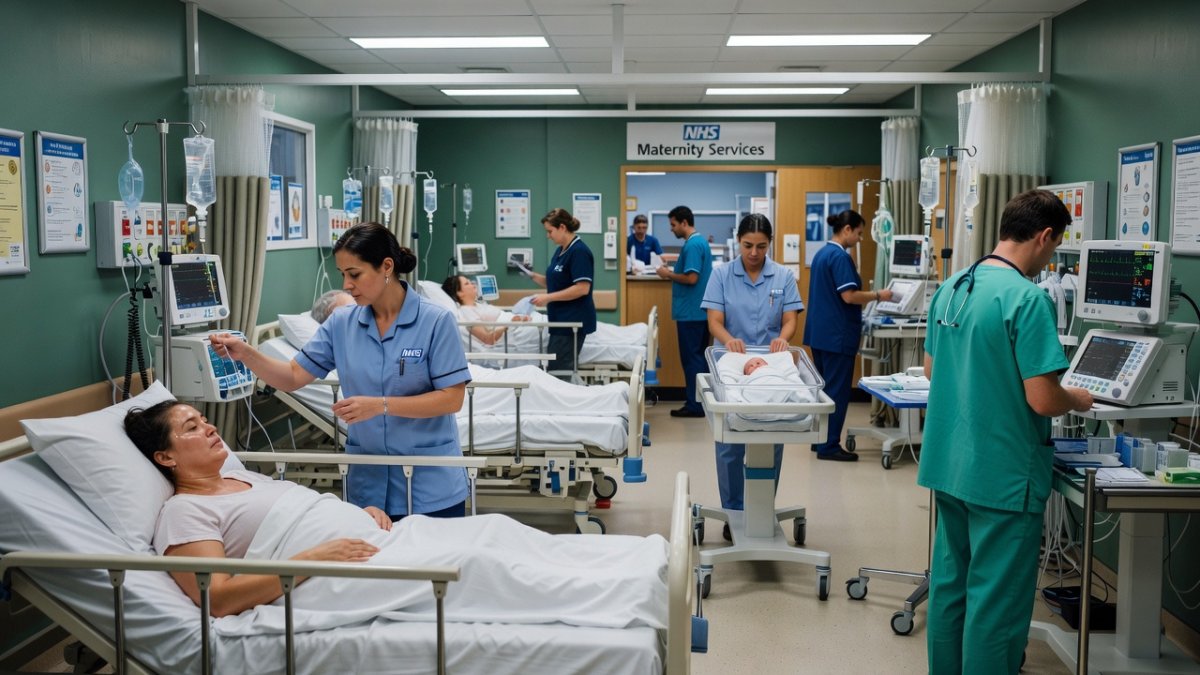
Since 2010, official records compiled by NHS England show that more than 1,000 women died during pregnancy, labour or in the weeks following birth. Channel 4 News analysis of those cases concludes that over 500 deaths might have been avoided had warning signs been acted upon promptly. These figures come from detailed case reviews held by hospital trusts and the national perinatal surveillance programme.
The deaths span every region. In London alone, major teaching hospitals have recorded clusters of cases where delays in recognising haemorrhage or sepsis proved fatal. Similar patterns appear in the Midlands and the North West, where staffing shortages have been repeatedly flagged by the Care Quality Commission.
Failures in Care Standards
Investigators identified consistent shortcomings: inadequate foetal monitoring, poor handover between shifts, and reluctance to escalate concerns to senior clinicians. In many instances, women from Black and Asian backgrounds faced additional barriers, with symptoms dismissed or undertreated. The Department of Health and Social Care has acknowledged these disparities but has yet to publish a full action plan with measurable targets.
Training gaps compound the problem. Midwifery teams in several trusts report that mandatory skills updates on emergency response have been postponed due to rota pressures. The Royal College of Midwives has warned that without protected time for simulation training, the same errors will recur.
The Amos Review: What to Expect
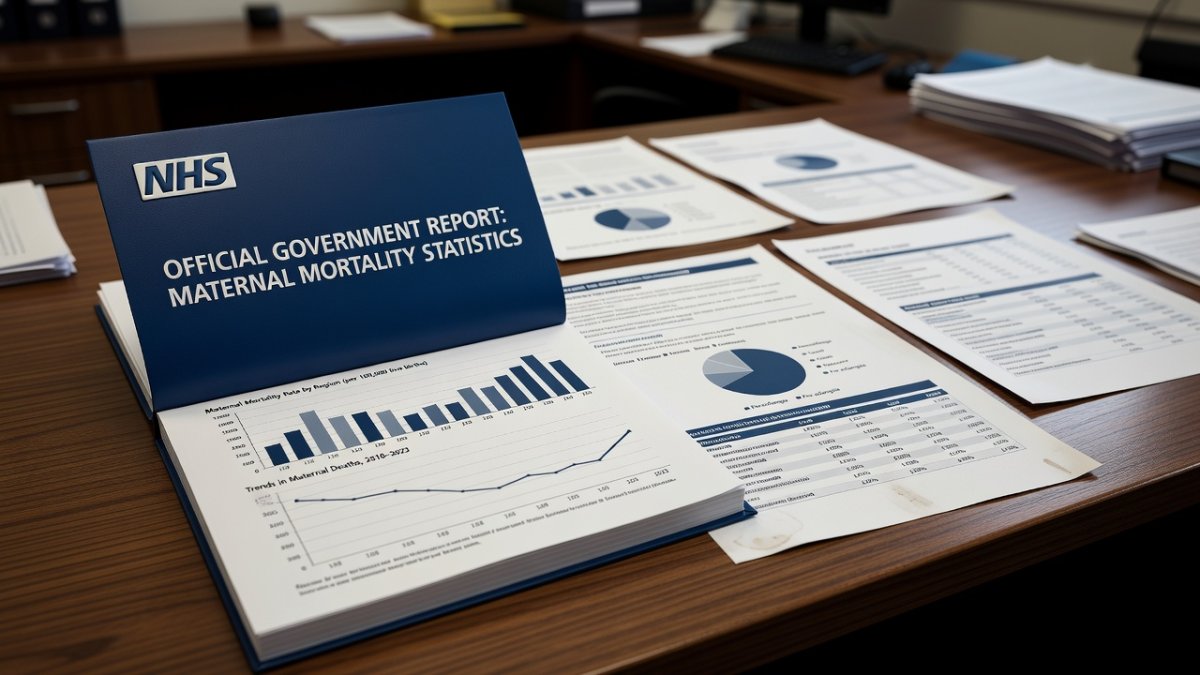
Baroness Amos’s independent panel examined hundreds of individual case files alongside governance records from NHS England. The forthcoming report is expected to criticise fragmented accountability between hospital trusts and integrated care boards. It will also call for a national oversight body with powers to intervene when local reviews fail to drive improvement.
Previous inquiries, including the Ockenden review into Shrewsbury and Telford, produced similar recommendations that were only partially implemented. Campaigners fear the Amos findings will meet the same fate unless ministers commit ring-fenced funding for maternity workforce expansion.
Regional Disparities and Local Impact
Women in rural counties such as Cumbria and Norfolk face longer transfer times to specialist centres when complications arise. In contrast, some urban units in Greater Manchester have introduced 24-hour consultant cover that has reduced near-miss events. These postcode differences mean that a mother’s chance of survival still depends heavily on where she gives birth.
Families affected describe lasting trauma. Bereaved relatives in Birmingham and Leeds have formed support networks that now lobby MPs on the need for independent investigations rather than internal trust reviews. The Ministry of Justice has recorded a rise in clinical negligence claims related to maternity care, adding further pressure on already stretched legal aid budgets.
Calls for Reform and Government Accountability
Opposition health spokespeople have demanded that the Secretary of State for Health and Social Care appear before the Health and Social Care Select Committee immediately after the Amos report is released. They argue that successive governments have treated maternity safety as a series of one-off inquiries rather than a sustained programme of investment.
NHS England has stated it will study the recommendations closely, yet workforce planning documents published earlier this year project only modest increases in midwife numbers over the next five years. Without faster recruitment, the gap between policy ambition and frontline reality will persist.
The Bottom Line — What Comes Next
The Amos review lands at a moment when public confidence in maternity services is already fragile. If its findings are met with the same piecemeal response that followed earlier reports, more families will face preventable loss. The test for ministers and NHS leaders is whether they treat these deaths as individual tragedies or as evidence of a system that must be fundamentally re-engineered.
By Erica Thornton, Staff Writer
This article was produced with AI-assisted research and editorial support. Reporting is based on sources cited in the article.
What's Your Reaction?
 Like
0
Like
0
 Dislike
0
Dislike
0
 Love
0
Love
0
 Funny
0
Funny
0
 Wow
0
Wow
0
 Sad
0
Sad
0
 Angry
0
Angry
0

US Politics and Policy Correspondent at Global1.News. Based in Washington DC, covering American politics, policy, elections, and the courts. Knows how the system works and tells you what it actually means.















Comments (0)