
Madhya Pradesh Toddler Loses Eyesight After Government Hospital Treatment
Incident Overview in Sagar District A 19-month-old child from Sagar district, Madhya Pradesh, has permanently lost eyesight after receiving treatment at a local government hospital. The toddler was brought in for a common cold and redness in the eye. The doctor on duty administered eye drops, paracetamol syrup and an injection. Within hours the child’s condition worsened, leadi
Incident Overview in Sagar District
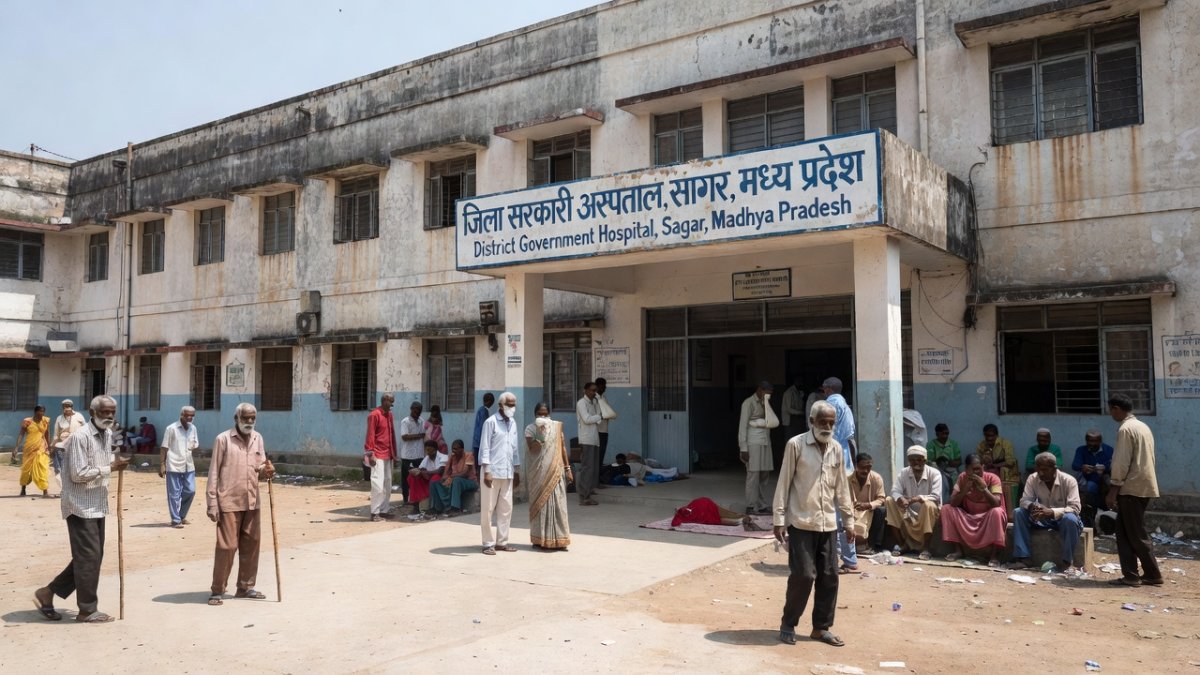
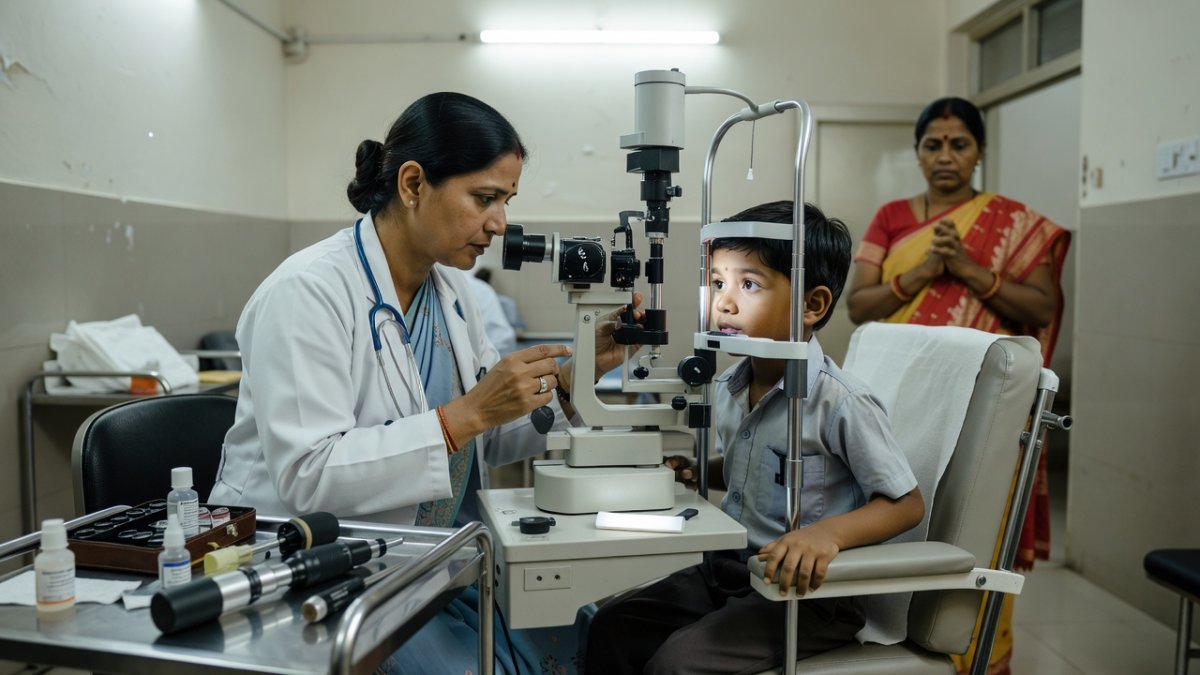
A 19-month-old child from Sagar district, Madhya Pradesh, has permanently lost eyesight after receiving treatment at a local government hospital. The toddler was brought in for a common cold and redness in the eye. The doctor on duty administered eye drops, paracetamol syrup and an injection. Within hours the child’s condition worsened, leading to referral first to the Sagar district hospital and then to AIIMS Bhopal, where specialists confirmed irreversible vision loss caused by incorrect medication.
Timeline of Events and Immediate Response
The sequence began on the day the family sought care at the government facility in Sagar. After the medications were given, the toddler developed severe complications. Staff referred the child to the district hospital in Sagar, from where the family rushed the patient to AIIMS Bhopal. Specialists at AIIMS Bhopal documented that the administered drugs had triggered the optic damage. The family subsequently filed a police complaint demanding strict action against the responsible staff. The Chief Medical and Health Officer (CMHO) of Sagar has formed an inquiry committee to examine the case under existing Madhya Pradesh health department protocols.
Role of AIIMS as Apex Referral Institution
AIIMS Bhopal functions as the highest referral centre for complex cases in central India under the Ministry of Health and Family Welfare. In this instance, its confirmation of treatment-induced blindness provides the clinical evidence required for any subsequent legal or administrative proceedings. AIIMS institutions across the country handle thousands of such referrals annually from district hospitals, highlighting both their diagnostic authority and the pressure on lower-tier facilities that lack specialised paediatric ophthalmology units.
Medical Negligence Patterns in Madhya Pradesh Public Hospitals
Medical negligence complaints in Madhya Pradesh government hospitals have risen steadily, with Sagar district reporting multiple incidents involving paediatric patients in recent years. The current case involves three medications given simultaneously without apparent allergy screening or dosage verification for a 19-month-old. Under the Clinical Establishments Act and Indian Penal Code provisions on rash and negligent acts, such errors can attract both departmental penalties and criminal investigation. The CMHO inquiry will assess adherence to standard treatment protocols issued by the state health department and ICMR guidelines on paediatric pharmacotherapy.
Implications for Patient Safety and Public Accountability
For families in rural Madhya Pradesh districts such as Sagar, reliance on government hospitals remains high due to limited private options. When basic eye redness and cold symptoms result in permanent disability, public trust erodes and out-of-pocket expenses for subsequent care at AIIMS or private centres increase. The inquiry committee’s findings will determine whether staffing shortages, lack of paediatric training or absence of double-check systems contributed to the error. Similar cases have prompted the state to introduce digital prescription audits and mandatory reporting to the district health society, yet implementation varies across blocks.
Policy Recommendations and Healthcare Framework Reforms
Strengthening first-contact care in primary health centres and community health centres could reduce such referrals. Mandatory paediatric dosing charts, colour-coded medication trays and immediate availability of ophthalmology consultation at district hospitals are low-cost interventions already piloted in other states. The Ministry of Health’s National Patient Safety Implementation Framework emphasises incident reporting within 24 hours; full adoption in Madhya Pradesh would allow faster CMHO responses. Taxpayers funding the public system expect measurable reductions in preventable adverse events, particularly among children under two years of age who constitute a vulnerable cohort in routine outpatient loads.
Conclusion and Next Steps
The Sagar case underscores the urgent need for systemic safeguards in Madhya Pradesh’s government health network. While the CMHO inquiry proceeds and police investigate the complaint, the affected family awaits justice and support for the child’s future needs. AIIMS Bhopal’s clinical verdict has established the medical facts; administrative and legal follow-through will test the accountability mechanisms designed to protect citizens who depend on public healthcare.
— By Dr. Raj Patel, Staff WriterThis article was produced with AI-assisted research and editorial support. Reporting is based on sources cited in the article.
What's Your Reaction?
 Like
0
Like
0
 Dislike
0
Dislike
0
 Love
0
Love
0
 Funny
0
Funny
0
 Wow
0
Wow
0
 Sad
0
Sad
0
 Angry
0
Angry
0

India/South Asia Correspondent at Global1.News. Analytical voice with a background in science and health journalism. Based in New Delhi, covering Indian politics, education, healthcare, technology, and policy. Breaks down complex data into clear, actionable reporting.













Comments (0)