
Lee Jae Myung Yeonpyeong Visit Signals Defense Reform
Lee Jae Myung Yeonpyeong Visit Signals Defense Reform President Lee Jae Myung’s June 2026 visit to the Yeonpyeong Marine unit highlights selective conscription, deterrence policy, and responses to South Korea’s demographic military challenges amid Northeast Asian tensions. **Keywords:** Lee Jae Myung, Yeonpyeong Island, Marine Corps, selective conscription, South Korea defense
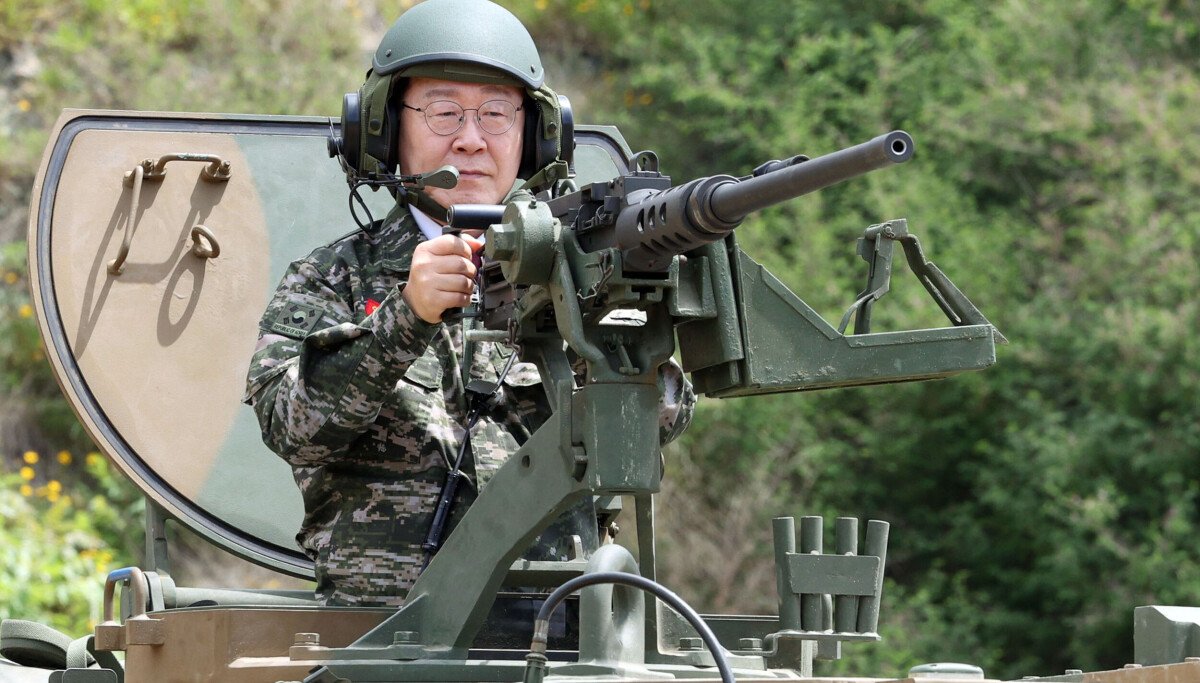
The visit by President Lee Jae Myung to the Korean Marine Corps Yeonpyeong Unit on 24 June 2026 occurred on the eve of the 76th anniversary of the Korean War outbreak. The presidential itinerary included live-fire exercises with the K2C1 rifle, operation of the K9A1 self-propelled howitzer, and inspection of K1E1 tanks and Spike missiles. This marked the first such presidential engagement at the unit since 2012.
Front-Line Demonstration of Military Readiness
During the inspection, President Lee achieved a perfect score in marksmanship training and reviewed equipment produced by Hanwha Aerospace and Hyundai Rotem. The Blue House confirmed that the president donned Marine Corps gear to assess weapon performance directly. These actions underscored the administration’s emphasis on practical familiarity with frontline systems.
Deterrence as the Foundation of Peace
President Lee articulated a three-stage security framework in which overwhelming deterrence precedes both victory in combat and the avoidance of conflict altogether. He stated that peace requires a military capability sufficient to dissuade potential adversaries. This formulation aligns with longstanding Republic of Korea defense doctrine that prioritizes credible conventional strength along the Northern Limit Line.
The location of the visit on Yeonpyeong Island carries particular resonance given the island’s proximity to North Korean coastal artillery positions. The president’s presence reinforced the government’s commitment to maintaining robust forward-deployed forces despite ongoing demographic pressures on overall manpower.
Selective Conscription and Demographic Realities
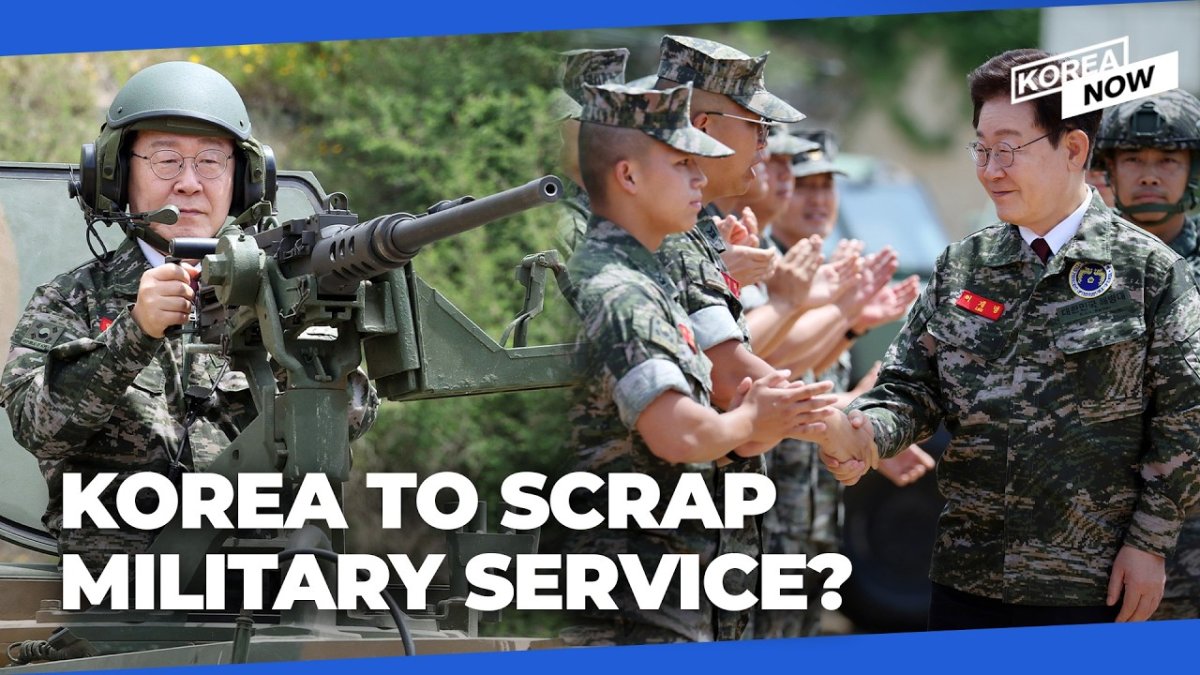
President Lee announced plans for a selective conscription system that would permit eligible men to choose between short-term mandatory service and longer-term, compensated roles as technology-focused non-commissioned officers. Current law requires all able-bodied males to serve at least 18 months. The proposed reform responds directly to the rapid decline in the military-age cohort caused by South Korea’s low fertility rate.
Ministry of National Defense data indicate that annual recruit numbers have fallen steadily since the mid-2010s. The shift toward technology-intensive warfare further necessitates a smaller but more highly trained force capable of operating advanced platforms. The selective model aims to retain skilled personnel while reducing the societal burden of universal conscription.
Marine Corps Independence Within the Force Structure
The president reiterated his intention to elevate the Marine Corps to a status comparable to the existing three services. This structural change would grant the Corps greater budgetary and operational autonomy for amphibious and island-defense missions. Proponents argue that such independence would improve rapid-response capabilities along the western maritime frontier.
Historical precedent for service reorganization exists in earlier defense reforms, yet implementation has consistently encountered resistance from the Army-dominated command structure. The Yeonpyeong visit provided a symbolic platform for advancing this long-discussed initiative.
Technology Integration and Export Considerations
President Lee emphasized the necessity of rearming the military with advanced science and technology. He inquired about the exclusive use of certain systems by the Marine Corps versus shared Army inventories and expressed interest in their potential for defense exports. Platforms such as the K9A1 and Chunmoo multiple-launch rocket system have already secured international contracts, illustrating the dual-use value of domestically developed equipment.
The administration’s focus on professionalization seeks to ensure that conscripts acquire marketable technical skills during service, thereby mitigating perceptions that military duty represents lost time in civilian careers.
Regional Security Implications
The policy signals emerging from the Yeonpyeong visit intersect with broader Northeast Asian security dynamics. Strengthened deterrence on the Korean Peninsula influences calculations in Beijing, Tokyo, and Washington. A more capable and selectively recruited South Korean force could reduce reliance on U.S. troop rotations while maintaining alliance interoperability.
Inter-Korean relations remain sensitive to any perceived augmentation of southern military posture. The emphasis on peace through strength, rather than unilateral concessions, reflects continuity with previous administrations despite differences in domestic political orientation.
By Prof. David Park, Staff Writer
This article was produced with AI-assisted research and editorial support. Reporting is based on sources cited in the article.
What's Your Reaction?
 Like
0
Like
0
 Dislike
0
Dislike
0
 Love
0
Love
0
 Funny
0
Funny
0
 Wow
0
Wow
0
 Sad
0
Sad
0
 Angry
0
Angry
0

East Asia/Technology Correspondent at Global1.News. Seoul-based voice covering Korean politics, technology, business, and culture. Analyzes how technology and geopolitics intersect across East Asia.














Comments (0)