
Keir Starmer's Palestine Legacy: A Record of Human Rights Failures
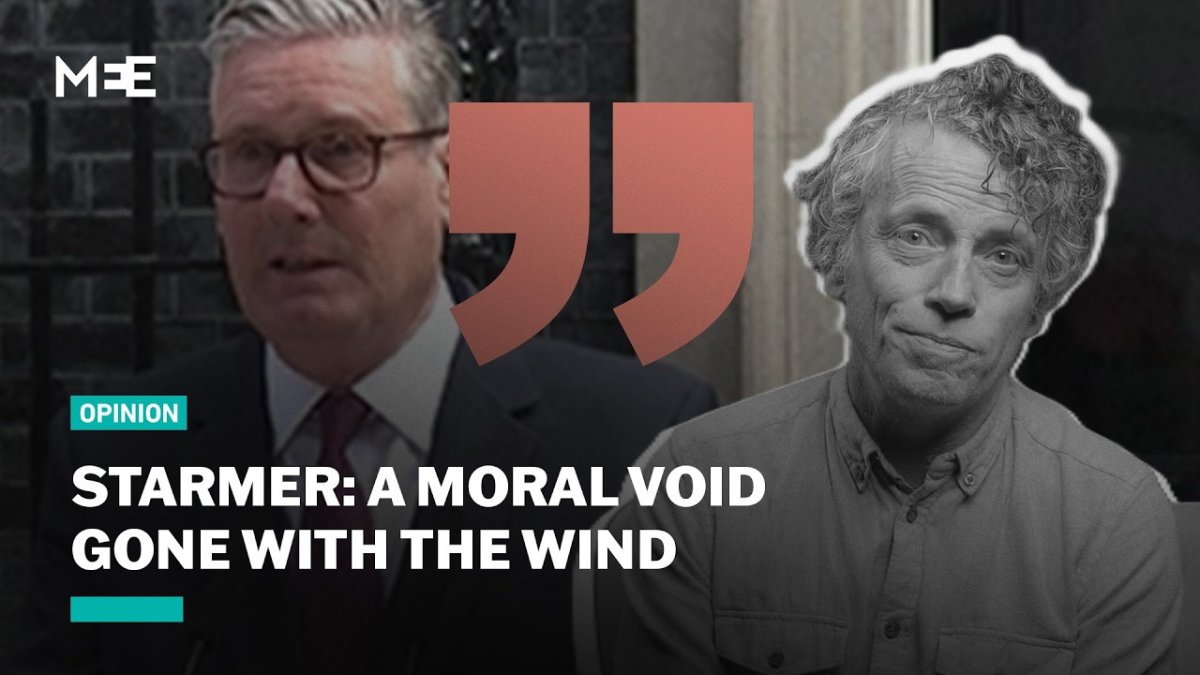
Joe Gill's recent Middle East Eye video titled "Starmer can lie to himself about his 'values' but he's fooling no one" presents a sharp critique of the former prime minister's record. Gill argues that Starmer did not rescue Labour from moral bankruptcy but instead led the party deeper into it through his handling of the Palestine issue. This assessment comes shortly after Starm
Joe Gill's recent Middle East Eye video titled "Starmer can lie to himself about his 'values' but he's fooling no one" presents a sharp critique of the former prime minister's record. Gill argues that Starmer did not rescue Labour from moral bankruptcy but instead led the party deeper into it through his handling of the Palestine issue. This assessment comes shortly after Starmer's resignation on June 22, 2026, with Andy Burnham now tasked with leading the party forward. The video highlights how personal and political choices shaped a legacy marked by division rather than unity.
British Muslim support for Labour has plunged dramatically in recent months, according to reports from Arab World News. Communities that once formed a reliable electoral base expressed deep disillusionment over the party's stance on Gaza and related policies. This shift reflects broader frustrations with leadership decisions that prioritized certain alliances over human rights commitments. Rebuilding this trust will require more than symbolic gestures in the years ahead.
Starmer's tenure left UK foreign policy at a crossroads regarding Palestine and the wider Middle East. His approach drew criticism from human rights advocates who saw inconsistencies between stated values and actions taken. The resignation has opened space for reflection on how these choices affected Britain's diplomatic standing and its relationship with Palestinian communities both at home and abroad.
Starmer's Palestine Legacy: A Record of Human Rights Failures
London, United Kingdom – June 25, 2026 — The following analysis examines the legacy of former UK Prime Minister Keir Starmer on Palestine and human rights, drawing on the Middle East Eye opinion piece by Joe Gill published days after Starmer's resignation.
The LBC Interview and Ceasefire Opposition
In an October 2023 LBC interview Starmer stated "I think Israel does have that right" when asked about cutting water and power supplies. This comment drew immediate backlash from within Labour and beyond for appearing to endorse measures that could harm civilians. Critics argued it contradicted international humanitarian standards and fueled perceptions of bias. The remark became a focal point for those questioning the party's commitment to Palestinian rights.
Starmer's opposition to an immediate ceasefire further intensified internal divisions. Eleven Labour councillors resigned in protest over the leadership's position during that period. These departures signaled early fractures that would widen over subsequent months. Party members voiced concerns that the stance alienated key voter bases and damaged the party's ethical image.
Internal rebellions grew as more MPs and activists challenged the refusal to call for an end to hostilities. Human rights groups publicly condemned the approach as inconsistent with Labour's historical values. Demonstrations outside party offices highlighted the disconnect between leadership and grassroots sentiment. The resulting tension contributed to ongoing instability within the organization.
Media coverage amplified these conflicts and brought greater attention to the human cost in Gaza. Starmer maintained his position despite mounting pressure from various quarters. This period marked a turning point in how the party was perceived on foreign policy matters. Observers noted lasting effects on morale among members who prioritized peace advocacy.
The combination of the interview remarks and ceasefire stance created a narrative of inflexibility. Joe Gill referenced these events in his video as evidence of deeper moral shortcomings. They set the stage for further controversies that defined the remainder of Starmer's time in office. Many within the party continue to cite this episode as a source of regret and division.
Crackdown on Pro-Palestine Protests
Between 2025 and 2026 Starmer's government introduced measures that threatened to ban certain demonstrations and curb chants at public events. Restrictions on slogans were also proposed as part of efforts to maintain public order. These policies drew accusations of overreach from civil liberties organizations. Arab and Muslim communities reported feeling targeted by the new rules.
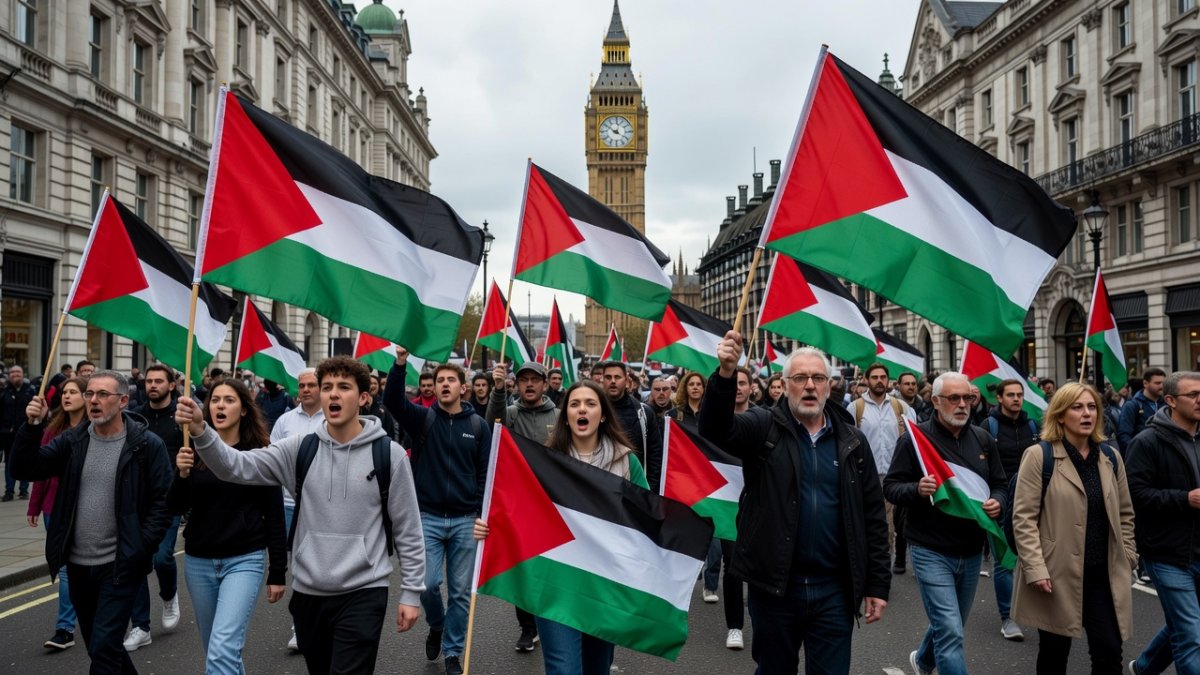
The measures had a disproportionate impact on Arab and Muslim communities across Britain. Families and activists described increased surveillance and hesitation to participate in peaceful gatherings. Community leaders highlighted how such policies eroded trust in state institutions. Reports documented cases where individuals faced questioning simply for expressing solidarity with Palestine.
Jacobin magazine described how Starmer used his power to trample on human rights in the name of security. This characterization resonated with those who saw the crackdowns as selective enforcement. Legal challenges emerged questioning the proportionality of the restrictions. The coverage underscored concerns about democratic freedoms under the administration.
British Palestinian communities experienced heightened anxiety during this time. Events that once served as outlets for expression became sources of tension with authorities. Many residents reported feeling marginalized in their own country. The long-term effects on civic participation remain a subject of ongoing discussion among advocates.
The Mandelson Appointment Scandal
Starmer appointed Peter Mandelson as UK ambassador to Washington despite concerns raised during the process. The choice surprised many given Mandelson's past controversies and limited recent diplomatic experience. Critics questioned whether the decision reflected sound judgment on sensitive international postings. The appointment quickly became a point of contention within political circles.
Mandelson subsequently failed security vetting which raised further questions about the selection process. Details emerged showing that standard procedures had not been followed adequately. This failure embarrassed the government and prompted calls for greater transparency in appointments. Opposition figures used the episode to question overall competence in foreign affairs.
Starmer later admitted that the appointment had been a mistake amid growing scrutiny. The admission came after weeks of media attention and internal party discussions. It highlighted challenges in balancing personal networks with institutional requirements. Observers noted that the episode added to perceptions of inconsistent leadership.
The scandal contributed to broader doubts about decision-making on matters involving international relations. It intersected with existing criticisms over Palestine policy and domestic cohesion. Public confidence in the government's diplomatic choices suffered as a result. The episode remains a notable chapter in assessments of Starmer's final months.
Internal Labour Party Fallout
Councillors continued to resign while some MPs broke ranks over Palestine-related policies. These departures reflected deep dissatisfaction with the direction set by the leadership. Local branches reported declining membership numbers in affected areas. The pattern suggested systemic issues rather than isolated incidents.
Grassroots petitions circulated widely calling for policy reversals and greater accountability. Party conferences became venues for heated debates on the handling of the Gaza conflict. Delegates expressed frustration that their concerns were not being addressed adequately. These gatherings revealed fractures that extended beyond London-centric leadership.
Loss of Muslim community support accelerated as families turned away from traditional voting patterns. Arab World News documented shifts in voter registration and engagement levels. Community organizations began exploring alternative political avenues. This realignment posed challenges for Labour's electoral prospects in key constituencies.
Efforts to reconcile these divisions proved difficult amid ongoing external pressures. Internal reviews acknowledged the need for dialogue but produced limited immediate changes. Members who remained expressed hope that new leadership could heal some wounds. The fallout continues to shape discussions about the party's future identity.
Human Rights Legacy and UK-Palestine Relations
UK-Palestine relations reached a low point during Starmer's time in office. Diplomatic channels narrowed as trust eroded between London and Palestinian representatives. Arab states expressed reservations about Britain's role in regional mediation efforts. The resulting isolation limited opportunities for constructive engagement.
Reduced diplomatic leverage affected Britain's ability to influence ceasefire negotiations. Partners questioned the consistency of positions taken on humanitarian issues. This perception hampered collaborative initiatives aimed at de-escalation. Analysts noted that opportunities for positive contributions were missed during critical periods.
Arms sales and diplomatic cover for certain policies continued despite domestic and international criticism. Human rights groups documented the implications for civilian populations in conflict zones. These decisions drew scrutiny from international bodies monitoring compliance with global standards. The approach reinforced narratives of selective application of principles.
British Palestinian communities felt the effects through strained community relations and policy impacts. Advocacy groups worked to highlight connections between foreign policy choices and domestic experiences. The legacy includes calls for renewed focus on ethical consistency in future governments. Joe Gill's video frames these outcomes as central to understanding Starmer's record.
Conclusion
Andy Burnham now faces the task of rebuilding trust with communities alienated during Starmer's leadership. Early statements suggest awareness of the challenges ahead in restoring credibility on Palestine issues. Success will depend on concrete steps rather than statements alone. Party members watch closely for signs of meaningful change.
Structural challenges persist in aligning party positions with human rights expectations. Grassroots voices continue to push for policies that reflect broader values of justice and equity. External pressures from international partners add complexity to internal reforms. Addressing these requires sustained attention beyond immediate electoral concerns.
Gill's assessment emphasizes that public trust requires sustained action over time. The video concludes that moral claims must be matched by consistent practice to regain lost ground. Burnham's leadership will be measured against these standards in the months ahead. Observers remain hopeful yet cautious about the path forward.
By Fatima Al-Rashid, Staff WriterThis article was produced with AI-assisted research and editorial support. Reporting is based on sources cited in the article.
What's Your Reaction?
 Like
0
Like
0
 Dislike
0
Dislike
0
 Love
0
Love
0
 Funny
0
Funny
0
 Wow
0
Wow
0
 Sad
0
Sad
0
 Angry
0
Angry
0

Gulf/MENA Correspondent at Global1.News. Based in Doha, covering Gulf politics, energy markets, diplomacy, and development across the Middle East and North Africa. Tracks the economic transformation of the Gulf states.











Comments (0)