
Lawmaker Seeks House Probe of School Violence After Tacloban Shooting, Cavite Stabbings
ANC 24/7 has provided continuous coverage of the recent wave of school violence gripping the Philippines, bringing national attention to incidents that have left communities reeling from loss and fear. The network's reporting has highlighted how these events in Tacloban City and Cavite province expose deep vulnerabilities in the country's educational system. Viewers across the
ANC 24/7 has provided continuous coverage of the recent wave of school violence gripping the Philippines, bringing national attention to incidents that have left communities reeling from loss and fear. The network's reporting has highlighted how these events in Tacloban City and Cavite province expose deep vulnerabilities in the country's educational system. Viewers across the archipelago have watched as details emerge about attacks that targeted young students, prompting urgent calls for accountability and protection.
Lawmaker Seeks House Probe of School Violence After Tacloban Shooting, Cavite Stabbings
Manila, Philippines — A lawmaker appeared on ANC 24/7 to demand a congressional investigation into the string of school attacks that began with a June 22 shooting in Tacloban City and continued with stabbings in Cavite province. The incidents have resulted in multiple deaths and injuries among students, drawing immediate responses from national leaders including President Marcos Jr. Families in affected areas now face heightened anxiety as classes resume under strained security conditions.
Tacloban School Shooting: What Happened at San Jose National High School
San Jose National High School in Tacloban City, Leyte, became the site of a tragic shooting on June 22 at approximately 9:20 AM. Two Grade 9 students aged 14 and 15 carried out the attack using a .38 revolver and a 9mm Glock pistol. The violence left three students dead and seven others wounded, with police chief Noelito Getigan confirming the motive stemmed from a long-standing bullying grudge between the suspects and their victims.
One suspect was arrested at the scene while the second surrendered later with assistance from local residents. The rapid response from authorities prevented further casualties, yet the event has sent shockwaves through Leyte province. President Marcos Jr. issued an immediate order for tighter security measures at schools nationwide following the incident.
Communities in Tacloban City have rallied around the affected families, with local officials coordinating with the Philippine National Police to secure the campus. The use of firearms by minors has raised questions about access to weapons in residential areas near schools. Noelito Getigan emphasized that the bullying history had not been adequately addressed by school administrators prior to the attack.
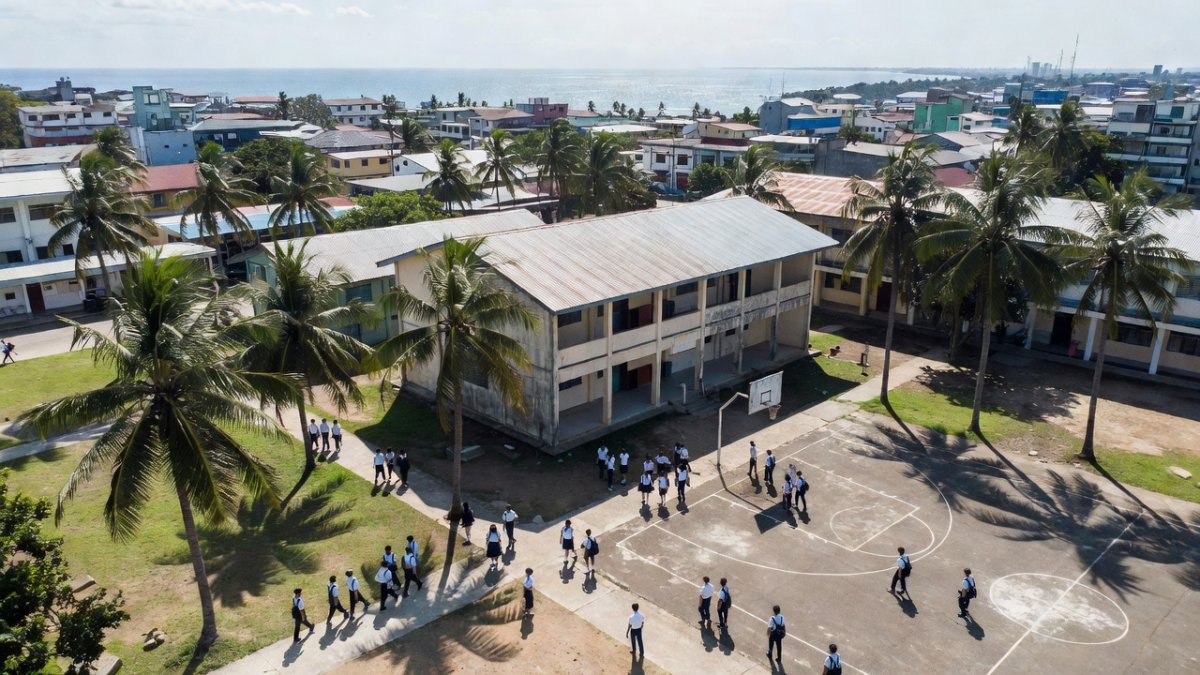
Tacloban City sits on the eastern coast of Leyte island in the Eastern Visayas region, a place still marked by the memory of Typhoon Yolanda yet known for its resilient communities and bustling public markets. San Jose National High School occupies a sprawling campus along a busy thoroughfare lined with sari-sari stores and tricycle terminals, where students from surrounding barangays gather each morning. On that June morning, roughly fifty Grade 9 students filled one classroom when the two armed suspects entered and opened fire, turning desks into barriers and shattering windows as panic spread.
Teachers inside the room immediately shielded younger students with their bodies and directed others toward the rear exit, their quick thinking credited with limiting the death toll. The chaos spilled into the corridors as screams echoed across the campus, prompting nearby vendors and parents waiting outside to rush toward the sound. Within minutes, responding officers from the Tacloban City Police Office secured the perimeter while school staff began accounting for every child. The incident has forced educators across Leyte to confront how long-unresolved conflicts among students can escalate when early intervention is absent.
Cavite Stabbings: A Troubling Pattern Emerges
On June 16 in General Trias City, a Grade 8 student used a kitchen knife to stab seven Grade 5 students, marking the start of a disturbing sequence in Cavite province. Just three days later on June 19, a senior high school student in Cavite City stabbed an 18-year-old victim in another school-related incident. These events have prompted the Philippine National Police to classify them as isolated cases while still acknowledging the need for vigilance.
PNP chief Gen. Jose Melencio Nartatez Jr. has directed increased coordination with the Department of Education to monitor potential threats. ACT Philippines has renewed earlier calls for comprehensive safety measures, including better reporting systems for conflicts among students. The pattern across these Cavite incidents shows how everyday items like kitchen knives can become weapons in school settings.
Local authorities in General Trias City and Cavite City have worked to support the young victims and their families through immediate medical and psychological aid. The involvement of students as young as Grade 5 underscores the broad reach of these attacks. PNP statements stress that while the cases appear separate, they reflect broader challenges in maintaining order within public schools.
General Trias has grown rapidly from a quiet agricultural town into an industrializing city hosting factories and export processing zones that draw workers from across Southern Tagalog. The June 16 attack occurred inside a public elementary school where the seven Grade 5 victims, all between ten and eleven years old, were attending regular classes. Their families, many of them factory workers and tricycle drivers, spent anxious hours at the district hospital waiting for updates on surgeries and blood transfusions.
The mother of the Grade 8 suspect later told local reporters that she had noticed changes in her son’s behavior after he began facing repeated taunts from older students but felt powerless to intervene because both parents worked long shifts. In Cavite City, the June 19 stabbing unfolded near the school gate during dismissal, leaving residents questioning how a senior high school student obtained the weapon. These cases have prompted barangay councils to organize parent-teacher dialogues aimed at identifying early signs of conflict before they turn violent.

PNP and DepEd Coordinate Security Response
Gen. Jose Melencio Nartatez Jr. has issued directives for heightened police visibility and preventive patrols around school perimeters in response to the recent violence. Current protocols continue to bar police officers from entering school grounds without prior approval from school authorities, a rule that limits rapid intervention during emergencies. The Council for the Welfare of Children has called for urgent strengthening of these safety frameworks.
DepEd officials are now actively coordinating with PNP units to review existing guidelines and identify gaps in protection. This partnership aims to balance student privacy with the need for swift law enforcement access. In provinces like Leyte and Cavite, local police have begun community briefings to inform parents about the enhanced measures.
The coordination efforts come amid growing pressure from civil society groups for systemic changes. Gen. Nartatez has stressed that isolated incidents should not overshadow the overall safety record of Philippine schools. DepEd continues to emphasize training for teachers on conflict de-escalation as part of the joint response.
At Camp Crame headquarters in Quezon City, Gen. Nartatez addressed assembled officers during the morning flag ceremony, declaring that “violence has no place in our schools” and ordering increased foot patrols near campuses nationwide. The legal barrier preventing officers from entering school grounds without explicit permission from principals remains a central concern, as it can delay response times when seconds matter most. In both Tacloban and General Trias, police had to wait outside gates until school officials granted access.
DepEd regional offices in Eastern Visayas and Calabarzon have begun joint mapping exercises with PNP to identify high-risk schools. The Council for the Welfare of Children has urged Congress to revisit the entry protocol so that officers on preventive patrol can act immediately when credible threats emerge. These discussions highlight the tension between preserving the sanctuary-like atmosphere of schools and ensuring rapid protection when danger appears inside classrooms.
Lawmaker Seeks Congressional Probe Into School Violence
A lawmaker speaking on ANC 24/7 has formally called for a House probe into the recent school violence to examine root causes and institutional failures. The proposal includes discussions on lowering the age of criminal responsibility from 15 to 10 years old, a measure that has sparked debate in Congress. Senators argue that such changes could deter future incidents involving minors while others warn of impacts on the juvenile justice system.
The congressional inquiry would focus on how bullying and access to weapons contribute to these attacks. Lawmakers have highlighted the need for better data collection on school conflicts across regions. This push comes as public schools in urban and rural areas alike grapple with limited resources for counseling services.
Debate in Congress centers on balancing accountability with rehabilitation for young offenders. The lawmaker's appearance on ANC 24/7 has amplified calls for immediate legislative action. Implications for the juvenile justice framework remain a key point of contention among policymakers.
The age of criminal responsibility was raised from nine to fifteen years under the 2019 amendments to Republic Act 9344, reflecting years of advocacy by child rights organizations that argued younger children lack full capacity to understand consequences. Lawmakers now proposing to lower it again to ten cite the Tacloban and Cavite cases as evidence that current thresholds may embolden minors. Child rights groups such as the Council for the Welfare of Children counter that such a move would reverse hard-won protections and overcrowd already strained youth detention facilities.
The proposed House probe would also examine how public schools track bullying incidents and whether guidance counselors have sufficient training and resources. Advocates stress that any reform must pair accountability measures with expanded mental health services rather than relying solely on punitive changes to the juvenile justice code.
Impact on Filipino Families and Communities
Parents in Tacloban City and General Trias City have begun organizing voluntary patrols to supplement official security around schools. These community efforts reflect the bayanihan spirit that has long characterized Filipino responses to crises. Student trauma has led to increased demand for counseling services, with many families reporting disrupted daily routines and heightened anxiety among children.
Working families face economic strain as they adjust schedules to accompany students to and from school. Jeepney drivers and sari-sari store owners near campuses have stepped up as informal watchers, providing an additional layer of community vigilance. In Leyte and Cavite, barangay leaders coordinate these grassroots initiatives to fill gaps left by stretched government resources.
The human cost extends beyond immediate victims to entire neighborhoods where trust in school safety has eroded. Families describe sleepless nights and lost productivity as they prioritize child protection. These impacts ripple through local economies reliant on stable community life.
At the barangay level, tanods in Tacloban’s San Jose district and General Trias’s coastal villages now rotate shifts to escort children home after dismissal. The bayanihan tradition of collective action has seen neighbors pool resources to hire additional security guards and set up parent hotlines. Many OFW parents, whose remittances sustain households in both provinces, have expressed anguish over being thousands of miles away while their children navigate unsafe campuses.
The economic toll includes lost wages for parents who must take leave to accompany students and reduced foot traffic for small businesses near schools. These pressures underscore why restoring a sense of everyday safety matters not only for individual families but for the broader social fabric that depends on children attending classes without fear.
What Comes Next for School Safety in the Philippines
Pending legislative actions include the proposed House probe and potential adjustments to criminal responsibility laws. DepEd has initiated reviews of current security protocols to address vulnerabilities exposed by the Tacloban and Cavite incidents. Public school students nationwide stand to benefit from any reforms that emerge from these evaluations.
Implications for the broader education system highlight the need for systemic reform that goes beyond simply adding security guards. Officials emphasize integrating mental health support and anti-bullying programs into daily school operations. Coordination between national agencies and local communities will determine the effectiveness of these next steps.
Filipino families continue to advocate for comprehensive changes that prioritize prevention over reaction. The recent events have underscored the importance of sustained investment in school safety infrastructure across the country. Long-term solutions will require collaboration among government bodies, educators, and parents to restore confidence in educational environments.
DepEd has set a September deadline for regional offices to submit revised safety guidelines, while the House committee on basic education is expected to begin hearings in August. Parents are advised to monitor school-issued circulars about new reporting hotlines for bullying and to participate in upcoming barangay assemblies where local security plans will be discussed. Sustained public pressure will be essential to ensure that reforms move from announcements to concrete changes inside classrooms.
By Bella Reyes, Staff Writer
This article was produced with AI-assisted research and editorial support. Reporting is based on sources cited in the article.
What's Your Reaction?
 Like
0
Like
0
 Dislike
0
Dislike
0
 Love
0
Love
0
 Funny
0
Funny
0
 Wow
0
Wow
0
 Sad
0
Sad
0
 Angry
0
Angry
0

Philippines/Southeast Asia Correspondent at Global1.News. Manila-based journalist covering Philippine politics, environment, maritime security, and social issues. Passionate about marine conservation and the communities protecting the Philippines' natural heritage.












Comments (0)