
Kendo Tech Evolution Marks 10th Anniversary in 2026
The modern evolution of samurai swordsmanship through sensor-integrated kendo reached a significant milestone in 2026, marking ten years since the initial integration of electronic scoring systems began around 2016. This development fuses centuries-old martial traditions with digital tools, allowing precise measurement of strikes while maintaining the core values of the discipl
The modern evolution of samurai swordsmanship through sensor-integrated kendo reached a significant milestone in 2026, marking ten years since the initial integration of electronic scoring systems began around 2016. This development fuses centuries-old martial traditions with digital tools, allowing precise measurement of strikes while maintaining the core values of the discipline. Coverage by NHK WORLD-JAPAN on June 22, 2026, highlighted ongoing trials that demonstrate how technology supports rather than replaces human judgment in competitions.
The 10th Anniversary Milestone and What It Means for Japanese Martial Arts
The All Japan Kendo Federation has spent the past decade testing electronic scoring systems that align with established tournament formats. These efforts reached their tenth year in 2026, reflecting steady progress rather than rapid overhaul. Practitioners note that the anniversary underscores a deliberate pace of adoption, ensuring that any changes respect the historical lineage of kendo as a modern expression of samurai discipline.
Japanese martial arts organizations view this milestone as an opportunity to document lessons learned since the first sensor prototypes appeared around 2016. The AJKF has coordinated with equipment manufacturers to refine sensor placement without altering the weight or balance of traditional shinai and bogu. This measured approach helps maintain consistency across regional dojos that continue to emphasize manual training methods alongside technological trials.
The anniversary also connects to broader national conversations about preserving cultural practices amid digital advancement. Events scheduled throughout 2026 include demonstrations that pair veteran instructors with data from sensor readings, illustrating how strike accuracy metrics can inform teaching without diminishing the role of lived experience. Such activities reinforce kendo’s position within Japan’s living heritage.
How Electronic Scoring Is Transforming Kendo
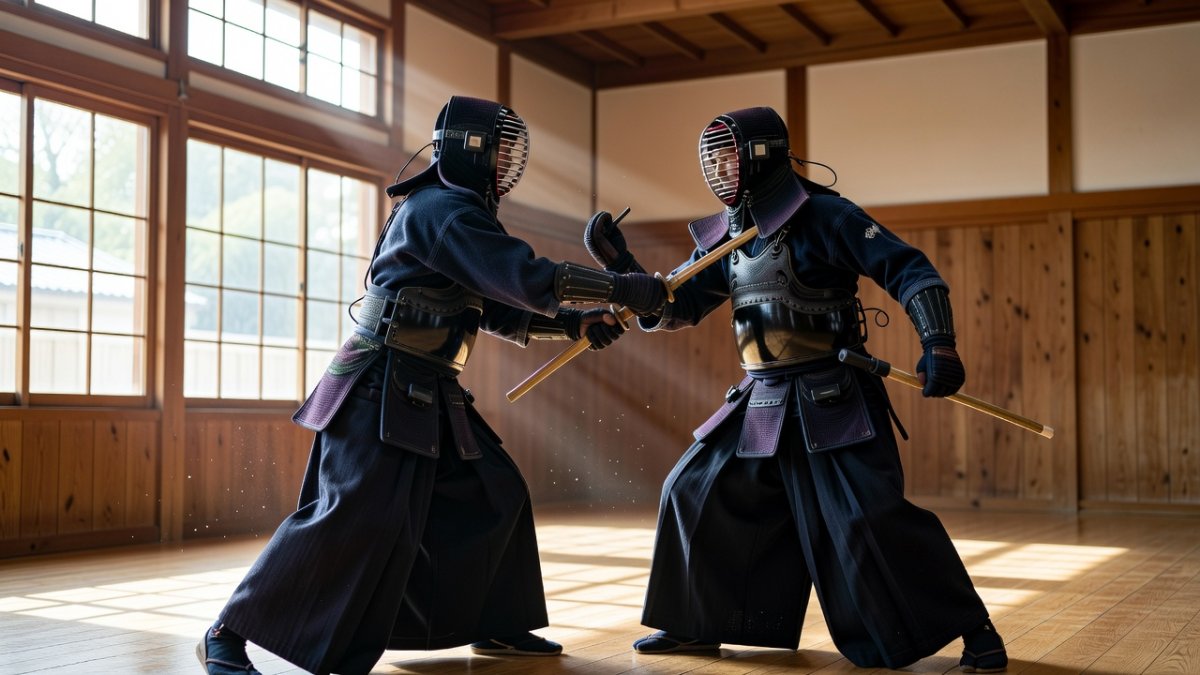
Sensor-based scoring systems rely on impact sensors embedded within the shinai and bogu to register valid strikes during matches. These devices detect force, location, and timing, transmitting data to a central scoring interface that assists referees. The AJKF has conducted controlled tests to calibrate sensitivity thresholds so that only strikes meeting traditional criteria register as points.
Integration with existing equipment requires careful engineering to preserve the natural flex of the bamboo shinai and the protective layers of the bogu. Early prototypes from the mid-2010s focused on basic impact detection, while later iterations incorporate multiple sensor points to differentiate between proper and glancing contacts. This technical refinement supports consistent scoring across different lighting conditions and match intensities.
AI-assisted judging tools under exploration by the AJKF analyze sensor outputs alongside video feeds to flag potential scoring opportunities for human review. These systems do not replace referees but provide supplementary data that can reduce disputes over close calls. Trials have shown improved agreement rates among officials when sensor information is available, though final decisions remain with trained judges.
The Philosophy of ki-ken-tai no icchi in the Digital Age
The principle of ki-ken-tai no icchi—unity of spirit, sword, and body—continues to guide kendo practice even as electronic systems record physical outcomes. Technology captures the result of a strike but cannot measure the internal focus that produces it. Instructors therefore use sensor data to illustrate moments when spirit, sword, and body aligned, helping students recognize the connection between intention and execution.
During training sessions, practitioners review sensor logs immediately after drills to correlate readings with their subjective experience of concentration. This feedback loop reinforces the idea that accurate data serves the philosophical goal rather than supplanting it. The AJKF emphasizes that any technological aid must ultimately support the cultivation of proper posture, breathing, and mental clarity.
Traditionalists within the community have welcomed the anniversary as proof that digital tools can coexist with longstanding values. Demonstrations in 2026 often begin with a recitation of kendo precepts before introducing sensor-equipped matches, underscoring that the core discipline remains unchanged. The technology functions as a mirror that reflects progress toward unity rather than defining it.
Japan's Policy Landscape for Cultural Technology Integration
Japan’s Society 5.0 initiative provides a framework for combining traditional practices with digital innovation, and kendo sensor projects illustrate one practical application. Government ministries, including METI, have supported research into cultural technology that strengthens both heritage preservation and industrial capability. The AJKF’s work aligns with these priorities by developing domestic sensor expertise that can extend to other sports and training contexts.
Bunka shinko policies encourage the promotion of Japanese culture through contemporary means, and the ten-year kendo project demonstrates how such support operates in practice. Funding and coordination have enabled partnerships between martial arts federations and technology firms, ensuring that equipment meets both safety standards and cultural expectations. This approach avoids abrupt disruption while allowing incremental improvement.
The Digital Agency’s emphasis on user-centered digital services also informs how scoring interfaces are designed for tournament officials. Interfaces prioritize clarity and minimal distraction so that referees can focus on the match itself. These policy connections help position kendo innovation as part of a larger national strategy rather than an isolated experiment.
Implications for Asia Pacific and Global Kendo Communities
International kendo federations have observed Japan’s sensor trials with interest, particularly as standardized competition formats are discussed at regional levels. The AJKF has shared technical specifications with counterparts in Asia Pacific countries where kendo enjoys strong participation, facilitating gradual alignment of equipment standards. This exchange supports consistent rules across borders without requiring immediate universal adoption.
Global tournaments scheduled after 2026 may incorporate optional sensor categories alongside traditional divisions, allowing federations to test compatibility at their own pace. Such flexibility respects differing resource levels among member organizations while maintaining the sport’s emphasis on mutual respect and disciplined conduct. Japanese manufacturers have begun supplying calibrated sensor sets to overseas dojos for training purposes.
The anniversary coverage by NHK WORLD-JAPAN reached audiences beyond Japan, prompting inquiries from European and North American kendo groups about implementation timelines. These conversations focus on training requirements for officials and the cost implications of new equipment, ensuring that any expansion remains sustainable and aligned with local priorities.
Expert Perspectives
AJKF officials involved in the project stress that sensor systems are tools for refinement rather than replacement of human oversight. They highlight data from the past decade showing gradual improvements in scoring consistency during test events. Officials also note ongoing dialogue with senior instructors to ensure that technological features support rather than overshadow the educational mission of kendo.
Technology developers working with the federation describe iterative calibration processes that began with basic impact detection in 2016 and evolved to multi-point sensing arrays. They emphasize collaboration with kendo practitioners during every design phase to preserve the tactile qualities of the shinai. This partnership has produced equipment that feels familiar to experienced users while adding measurable feedback.
Long-term practitioners report that sensor data helps identify subtle technical habits that might otherwise go unnoticed during regular practice. They appreciate the ability to review objective measurements alongside subjective coaching feedback. At the same time, they caution that over-reliance on numbers could distract from the mental discipline central to the art, advocating balanced use of the technology.
What to Watch For
Future developments include further refinement of AI-assisted judging algorithms that can better account for contextual factors such as match tempo and competitor positioning. The AJKF plans additional field tests in 2027 to evaluate these enhancements under varied competition conditions. Results from these trials will inform decisions about wider tournament integration.
Wider adoption in domestic tournaments is expected to proceed through voluntary pilot categories rather than mandatory requirements. Regional federations will have latitude to introduce sensor scoring at their discretion, allowing experience to accumulate before any national standardization. This phased method mirrors the cautious timeline followed since 2016.
International standardization discussions will likely continue at federation meetings, with attention to equipment certification processes and training programs for officials. Japanese expertise developed over the past decade positions the AJKF to contribute technical guidelines that respect both tradition and innovation. Observers anticipate steady, incremental progress rather than sudden shifts in competition formats.
By Kenji Tanaka, Staff Writer
This article was produced with AI-assisted research and editorial support. Reporting is based on sources cited in the article.
What's Your Reaction?
 Like
0
Like
0
 Dislike
0
Dislike
0
 Love
0
Love
0
 Funny
0
Funny
0
 Wow
0
Wow
0
 Sad
0
Sad
0
 Angry
0
Angry
0
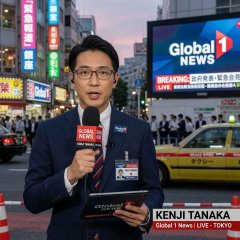
Japan Correspondent at Global1.News. Tokyo-based voice covering Japanese politics, technology, economy, and culture. Tracks the intersection of tradition and innovation in one of the world's most dynamic societies.















Comments (0)