
Venezuela, GE Sign Deal to Rebuild Crumbling Power Grid
The Landmark Deal Signed This Week Delcy Rodríguez, Venezuela's interim president, signed an agreement with General Electric Vernova this week to rebuild the nation's electricity grid. The ceremony took place at the presidential palace in Caracas and was broadcast on national television. This step signals a shift toward greater openness to foreign investment in critical infrast
The Landmark Deal Signed This Week
Delcy Rodríguez, Venezuela's interim president, signed an agreement with General Electric Vernova this week to rebuild the nation's electricity grid. The ceremony took place at the presidential palace in Caracas and was broadcast on national television. This step signals a shift toward greater openness to foreign investment in critical infrastructure. Observers note that the deal could help address long-standing service disruptions across the country.
The agreement focuses on modernizing transmission lines and power plants that have deteriorated over years of underfunding. Rodríguez highlighted its importance for restoring reliable electricity to homes and businesses. General Electric Vernova, the company's local branch, will provide technical expertise and equipment. Such partnerships mark a notable change in Venezuela's approach to energy sector management.
Power outages have plagued major urban centers including Caracas for extended periods. The new contract aims to stabilize supply through targeted upgrades and maintenance programs. Rodríguez described the event as a historic move that prioritizes essential public services. Analysts expect gradual improvements once implementation begins in the coming months.
Critics remain cautious about the extent of economic reforms under the current leadership. They point out that key state institutions continue to operate under established political structures. The GE Vernova collaboration nevertheless represents one of the first major international energy initiatives in recent times. Further details on project timelines are anticipated from the energy ministry.
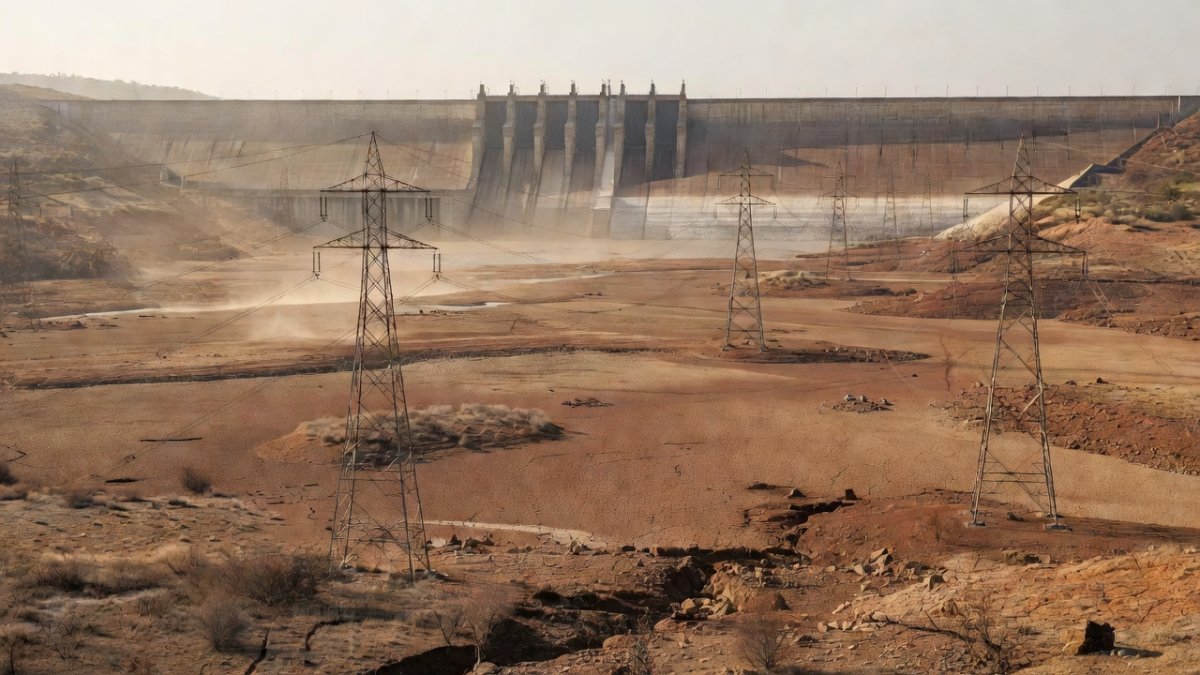
The Guri hydroelectric dam, Venezuela's primary power source, has faced declining output due to prolonged drought conditions. (Global 1 News)
Roots of Venezuela's Energy Crisis
Venezuela nationalized its power system in 2007 during the administration of Hugo Chávez. This policy placed generation and distribution under full state control without sufficient follow-up investment. Subsequent years saw declining performance as equipment aged and expertise gaps widened. The result has been chronic instability in electricity delivery nationwide.
Military officials led the energy ministry for six years before the recent transition. Their oversight failed to reverse the accumulating technical problems in the grid. Frequent blackouts lasting ten hours or more have become common in cities such as Maracaibo and Valencia. These interruptions disrupt daily life and hinder industrial activity.
Lack of routine maintenance compounded the effects of high consumption patterns across households and factories. Analysts have consistently identified underinvestment as a core driver of the ongoing shortages. The nationalized framework limited access to external technology and capital needed for upgrades. Recovery efforts now depend on reversing these accumulated deficits.
Communities in the interior regions have faced even longer periods without power during peak demand seasons. The crisis has slowed broader economic stabilization measures attempted by successive governments. International observers have called for systematic rehabilitation of aging substations and lines. Addressing these foundational issues remains essential for any lasting improvement.
Climate Vulnerability at the Guri Dam
The Guri hydroelectric dam in southeastern Venezuela serves as a primary source of the country's electricity. Prolonged drought conditions have lowered reservoir levels and reduced generation capacity at the facility. This climate-related stress has intensified existing operational challenges at the site near Ciudad Bolívar. Hydropower output now falls short of meeting national demand during dry periods.
Officials previously attributed outages mainly to weather variability affecting the Caroní River basin. Independent assessments, however, emphasize that deferred maintenance has magnified these vulnerabilities. Rising temperatures and shifting rainfall patterns in the Orinoco region add further uncertainty to future water availability. The dam's role in the energy mix therefore carries increasing climate risks.
Engineers have documented corrosion and mechanical wear on turbines installed decades ago. These conditions limit the facility's ability to respond flexibly when inflows decline. Regional climate models project continued variability in precipitation across the Venezuelan Amazon fringe. Such trends underscore the need for diversified generation sources beyond large hydro installations.
Local communities downstream from the dam have experienced fluctuating water supplies tied to power operations. Environmental groups in the area advocate for integrated planning that accounts for both energy and ecological needs. The GE Vernova agreement may incorporate assessments of climate resilience at Guri and similar sites. Sustained monitoring will be required to adapt infrastructure to changing conditions.
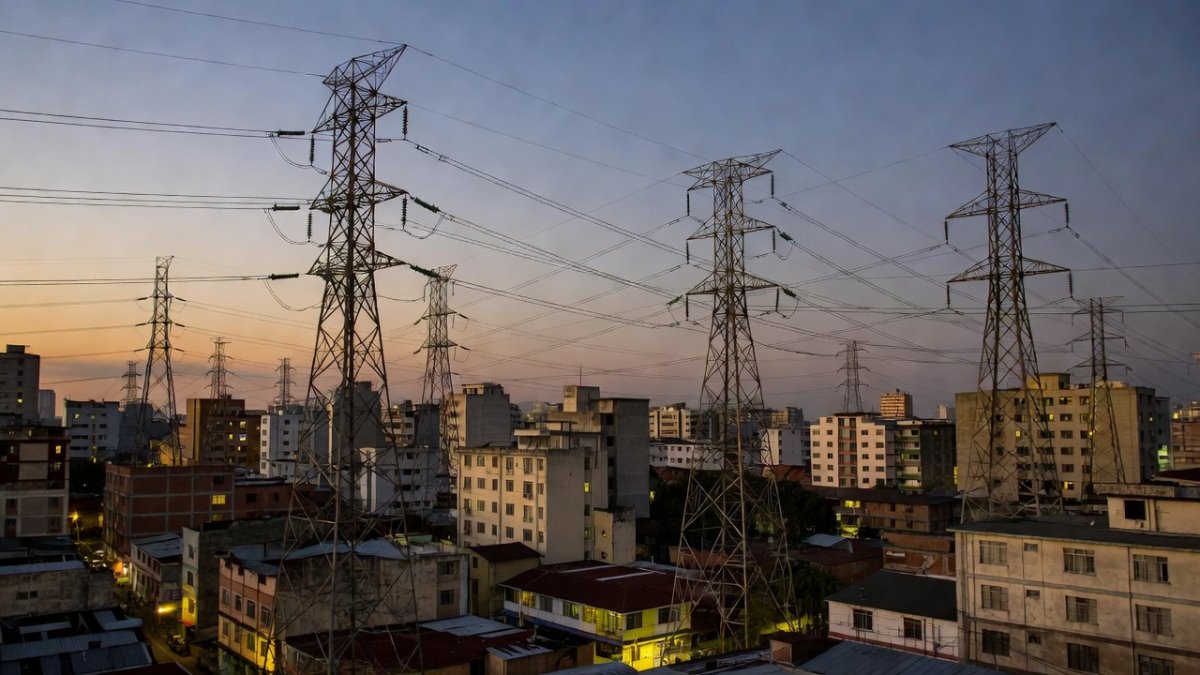
Power outages lasting 10 hours or more have affected major cities across Venezuela, including Caracas. (Global 1 News)
Brazil's Parallel Hydropower Struggles
Brazil has confronted similar drought pressures at major facilities such as the Itaipu Dam on the Paraná River. Reduced water levels have prompted temporary activation of thermal backup plants managed by operators in Foz do Iguaçu. The Brazilian Institute of Environment and Renewable Natural Resources, known as IBAMA, has overseen environmental reviews during these episodes. These measures illustrate shared regional exposure to climate variability in hydropower systems.
Northern Brazilian states including Amazonas have recorded extended dry spells that affect smaller river-based plants. High temperatures accelerate evaporation rates and strain reservoir management across the Amazon basin. Energy planners in Brasília have explored interconnections with neighboring grids to mitigate localized shortfalls. Such experiences offer relevant lessons for Venezuela's ongoing rehabilitation efforts.
Coastal cities like Rio de Janeiro have also dealt with demand spikes during heat waves that coincide with hydro constraints. Government programs promote efficiency standards to ease pressure on existing infrastructure. Cross-border knowledge exchange on climate adaptation could benefit multiple Andean and Amazonian nations. Venezuela's new partnership may draw on these regional precedents for grid modernization.
Indigenous communities along Brazilian rivers have raised concerns about altered flow regimes linked to power generation. Similar dialogues are emerging in Venezuelan territories near the Guri reservoir. Coordinated approaches to water resource management could strengthen resilience throughout Latin America. Both countries continue to balance energy security with environmental protection priorities.
Energy Minister Rolando Alcalá's Technical Approach
Rolando Alcalá, an electrical engineer, was appointed energy minister by Delcy Rodríguez three months ago. His background emphasizes technical solutions over previous administrative models. The shift from military leadership at the ministry is intended to accelerate practical grid repairs. Alcalá has outlined initial priorities centered on diagnostic assessments of transmission networks.
Early plans include phased replacement of outdated transformers in key substations around Caracas. The minister has stressed the value of data-driven maintenance schedules to prevent recurring failures. Collaboration with General Electric Vernova will supply specialized components and training programs. These steps aim to build local capacity for sustained operations.
Alcalá has visited affected regions including the central plains to evaluate distribution bottlenecks firsthand. Feedback from utility workers informs adjustments to the modernization roadmap. Emphasis is placed on integrating monitoring technologies that detect faults before widespread outages occur. Progress reports are expected at regular intervals from the ministry.
Coordination with other government agencies ensures alignment between energy projects and broader infrastructure goals. The minister's engineering perspective supports incremental upgrades rather than wholesale overhauls. International technical partnerships are viewed as catalysts for knowledge transfer. Continued focus on human resource development will determine long-term success of these initiatives.
US Engagement and Political Dynamics
The Rodríguez government has maintained close cooperation with the Trump administration on multiple policy fronts. This engagement facilitated the General Electric Vernova agreement through diplomatic channels. Discussions have also addressed security matters including operations targeting criminal networks such as Tren de Aragua. Such collaboration reflects evolving bilateral relations since the leadership transition.
US officials including Senator Marco Rubio have commented on Venezuela's economic opening measures. Their statements highlight potential benefits from renewed commercial ties with American firms. At the same time, concerns persist regarding continuity of institutional reforms beyond the energy sector. Observers in Washington monitor implementation of the power grid project closely.
Domestic critics argue that political structures remain concentrated despite economic adjustments. They call for broader transparency in contracting processes involving foreign companies. The energy deal nevertheless provides a concrete example of practical cooperation. Future agreements may follow similar patterns if initial results prove positive.
Regional actors in the Caribbean have watched these developments for signals about investment climates. Venezuela's geographic position makes its grid stability relevant to neighboring energy markets. Sustained US engagement could support additional technical exchanges. Political dynamics will continue to influence the pace of infrastructure recovery.
Regional Implications for Latin American Energy
The Andes region faces common challenges in balancing hydropower reliance with climate variability. Countries such as Colombia and Ecuador have pursued solar and wind additions to diversify their matrices. Venezuela's grid rehabilitation could create opportunities for cross-border knowledge sharing on these technologies. Andean energy forums have already begun discussing coordinated resilience strategies.
Caribbean nations dependent on imported fuels watch Venezuela's developments for potential supply implications. Stable Venezuelan generation might support future interconnection projects across the Caribbean Sea. Diversification toward renewables aligns with broader Latin American climate commitments. Technical exchanges facilitated by the GE Vernova partnership could accelerate such transitions.
Knowledge sharing platforms established by organizations active in the region promote best practices in grid modernization. Venezuelan engineers may participate in workshops focused on climate-smart infrastructure design. These interactions strengthen collective capacity to manage energy transitions. Shared vulnerabilities in hydropower systems underscore the value of regional cooperation.
Investment in transmission upgrades in Venezuela could indirectly benefit cross-border electricity trade. Neighboring countries stand to gain from more reliable regional networks. Emphasis on sustainable planning helps align projects with long-term environmental goals. Latin American energy integration efforts may receive fresh momentum from these developments.
Outlook and Economic Recovery
Restoration of consistent electricity supply could enable manufacturing facilities in industrial zones around Valencia to resume full operations. Reliable power supports expansion of processing industries tied to Venezuela's natural resources. The GE Vernova agreement contributes to an improved investment climate for additional foreign participation. Gradual economic recovery hinges on sustained progress in the energy sector.
Climate-smart planning during grid upgrades incorporates assessments of future weather risks. This approach helps ensure infrastructure withstands evolving drought and temperature patterns. Long-term sustainability requires ongoing maintenance commitments beyond initial construction phases. Policymakers emphasize integration of efficiency measures alongside new equipment.
Communities in rural areas stand to benefit from extended service hours that support agricultural processing and education. Broader access to electricity facilitates small enterprise development across the Llanos region. International partners continue to stress transparent governance in project execution. These elements together shape prospects for inclusive economic gains.
Monitoring mechanisms will track performance indicators as modernization advances. Adjustments based on operational data can optimize outcomes over the coming years. Venezuela's experience may inform similar initiatives elsewhere in Latin America. Enduring success depends on combining technical upgrades with adaptive climate strategies.
By Elena Vasquez, Staff Writer
This article was produced with AI-assisted research and editorial support. Reporting is based on sources cited in the article.
What's Your Reaction?
 Like
0
Like
0
 Dislike
0
Dislike
0
 Love
0
Love
0
 Funny
0
Funny
0
 Wow
0
Wow
0
 Sad
0
Sad
0
 Angry
0
Angry
0

Latin America Correspondent at Global1.News. Based in Mexico City, covering politics, economics, energy, and culture across the region. Brings an on-the-ground perspective to stories spanning from the Rio Grande to Patagonia.












Comments (0)