
Mexico Files Criminal Complaints Over 17 ICE Custody Deaths
Mexico Takes ICE Deaths to US Courts for 17 Nationals On Thursday, July 9, 2026, President Claudia Sheinbaum stood at the Palacio Nacional during her daily mañanera and announced that Mexico will file criminal complaints in U.S. federal courts. The move targets the deaths of 17 Mexican nationals in ICE custody or during enforcement operations since the start of the second Trump
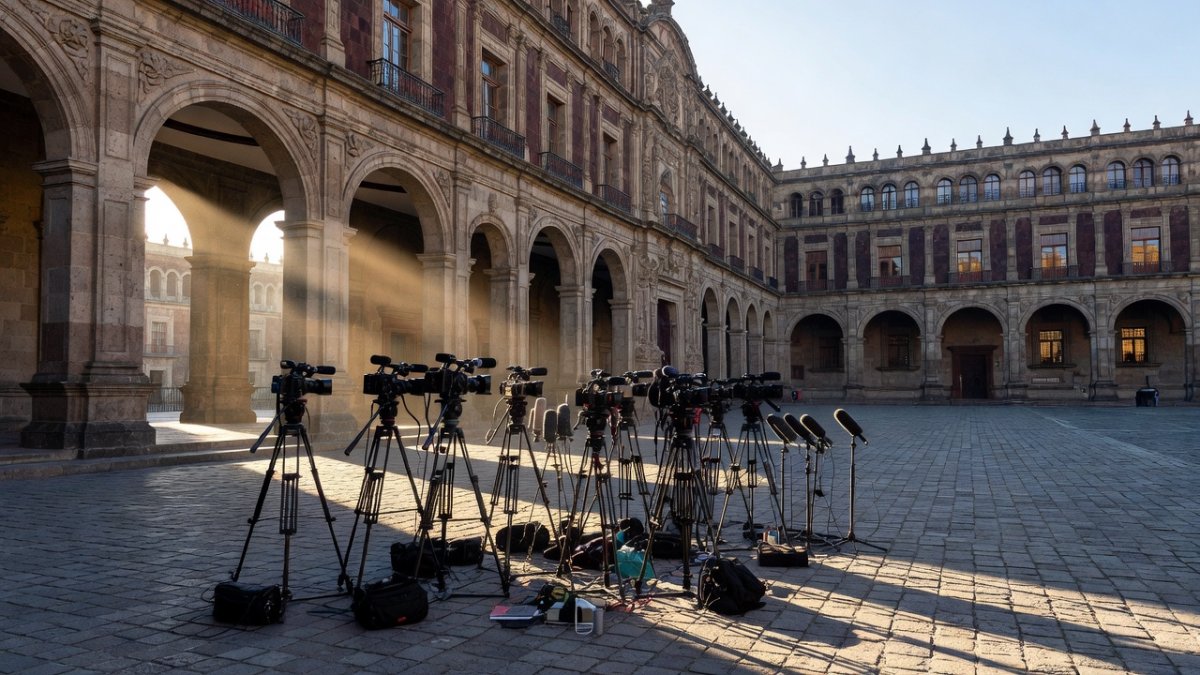
Mexico Takes ICE Deaths to US Courts for 17 Nationals
On Thursday, July 9, 2026, President Claudia Sheinbaum stood at the Palacio Nacional during her daily mañanera and announced that Mexico will file criminal complaints in U.S. federal courts. The move targets the deaths of 17 Mexican nationals in ICE custody or during enforcement operations since the start of the second Trump administration. Foreign Affairs Minister Roberto Velasco stood beside her, ready to detail how the government would move from diplomatic notes to direct judicial filings across the United States.
The decision carries immediate weight for families who have waited months for answers. Ordinary Mexican households in Puebla, Michoacán, and Guanajuato now see their government using U.S. courtrooms to seek accountability. The announcement follows the July 7 shooting of Lorenzo Salgado Araujo in Houston, the latest case that pushed the Sheinbaum administration to act.
From the Mañanera — Sheinbaum's Escalation
The mañanera at the Palacio Nacional carried its usual mix of reporters and television cameras, yet the mood felt heavier than most mornings. Sheinbaum spoke directly to the nation, stating her government "will do everything in its power" after the string of deaths. She described the shift from repeated diplomatic notes sent through the SRE to filing criminal complaints inside the United States itself.
Palacio Nacional staff prepared extra seating for consular officials and family representatives who had traveled from several states. Sheinbaum emphasized that Mexico would not remain silent while Mexican workers died far from home. Her words echoed through the room and across live broadcasts that reach colonias from Tijuana to Tapachula.
The president framed the decision as a defense of Mexican dignity. She noted that previous appeals to international bodies had not stopped the rising number of cases. By moving into U.S. federal courts, the administration signaled it would use every available legal avenue to protect its citizens abroad.
Foreign Minister Velasco Spells Out the Legal Strategy
Roberto Velasco outlined a three-part plan that begins with criminal complaints filed at U.S. Attorneys' Offices in districts where the deaths occurred. These filings will ask federal prosecutors to investigate possible criminal conduct by ICE personnel and contractors. The complaints will be supported by evidence already gathered by Mexican consulates and the families.
Velasco added that Mexico will send cease-and-desist letters to private companies that operate ICE detention facilities. The letters will demand immediate changes in medical care, use-of-force policies, and oversight. Civil lawsuits will follow in the same districts, seeking damages for the families who lost breadwinners.
Alongside the court actions, Mexico will continue pressing the United Nations and the Inter-American Commission on Human Rights. Velasco stressed that the judicial route marks a clear escalation from earlier diplomatic protests. He said the government chose this path only after diplomatic channels produced no measurable improvement in detainee safety.
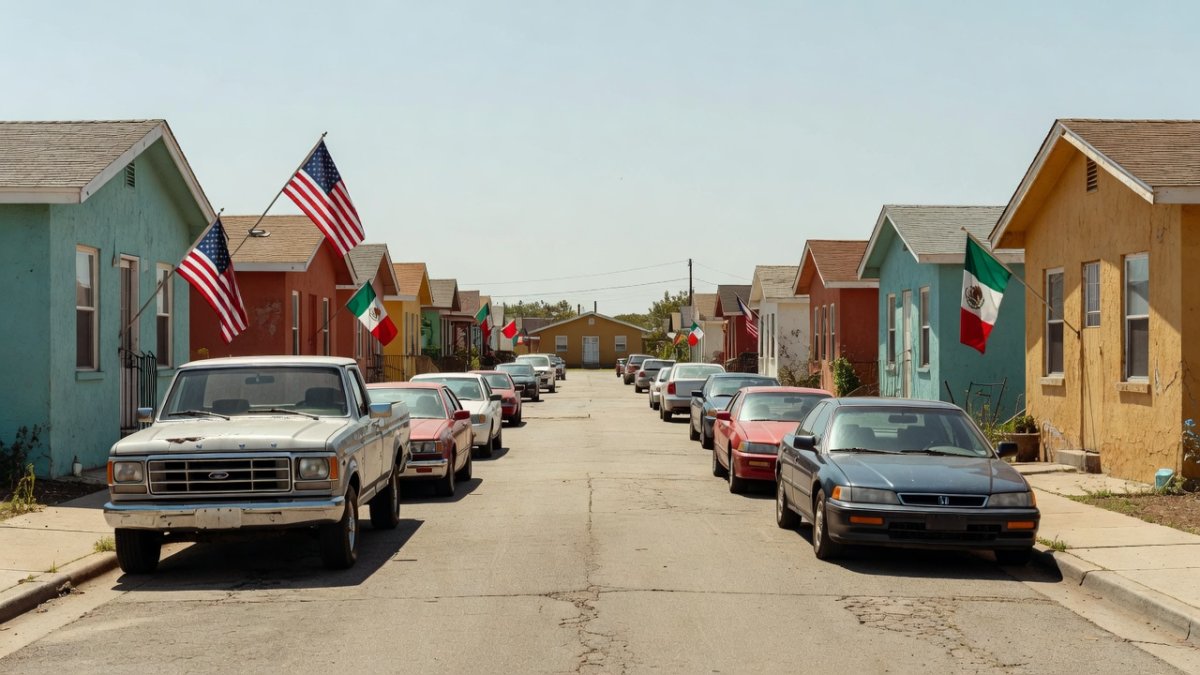
The Death of Lorenzo Salgado Araujo — A Son's Grief in Houston
Lorenzo Salgado Araujo, 52, was driving his work crew to a construction site in Houston on Tuesday, July 7, 2026, when ICE agents stopped the vehicle. According to the Harris County Medical Examiner, an ICE officer shot and killed him. The examiner ruled the death a homicide, contradicting ICE's claim that Salgado used the vehicle as a weapon.
His sons, Ronaldo Salgado and Lorenzo Salgado Jr., held a news conference the next day outside the medical examiner's office. They described their father as a steady provider who had worked construction for more than two decades. The family asked for full transparency and justice under both U.S. and Mexican law.
Houston's Mexican community gathered quickly around the family. Taquerías near the construction site posted messages of support, and local parish priests organized prayer vigils. The case has become a focal point for workers who fear similar stops during their daily commutes to job sites across the city.
17 Families, 17 Stories — The Human Toll Across Mexico
Behind each of the 17 deaths lies a family that depended on remittances sent from the United States. In rural communities of Puebla and Michoacán, the sudden loss of that income has forced difficult choices about school fees, medical care, and land payments. Ejido assemblies in several towns have collected funds to help the affected households while legal cases move forward.
The broader numbers add urgency. ICE custody deaths reached a two-decade high in 2025 with 31 total cases, many involving Mexican nationals. Families in Guanajuato and Jalisco have formed support networks that share information about consulate services and legal aid available on both sides of the border.
These stories reach beyond statistics. A mother in a small Michoacán pueblo now raises her grandchildren alone after her son died in detention. A wife in a Guanajuato colonia waits for answers about her husband's medical treatment before his death. Each household carries the same question: why did the system fail the person they loved most?
From Diplomatic Channels to US Courtrooms
For years Mexico relied on diplomatic notes delivered through the SRE and quiet conversations at the highest levels. Those channels produced statements of concern but little visible change in detention conditions. The decision to file criminal complaints inside U.S. courts represents a strategic turn toward direct legal engagement.
Legal experts in Mexico City note that the filings will test how U.S. federal prosecutors handle complaints brought by a foreign government on behalf of its citizens. The move also places private detention operators under new scrutiny through the cease-and-desist letters and planned civil suits.
Relations between the two governments now face a new test. While both sides continue cooperation on trade and security, the court actions introduce an adversarial element that was previously limited to diplomatic exchanges. Observers in the capital expect the cases to unfold over many months, keeping the issue visible in both countries.
What This Means for Mexican Migrants and Their Loved Ones
Mexican nationals living in the United States can contact their nearest consulate for information on how the new legal actions may affect ongoing cases. Community organizations in major cities are already translating updates from the SRE into Spanish and indigenous languages so families can follow developments.
The filings may also encourage more witnesses to come forward. Workers who have seen conditions inside detention centers now have a clearer path to share information with Mexican authorities pursuing the complaints. This could strengthen the evidence presented in U.S. courts.
Sheinbaum's government has promised regular updates through the mañanera and consular channels. Families in Mexico and the United States will watch closely to see whether the criminal complaints produce investigations and, ultimately, accountability for the 17 lives already lost.
Tags: Mexico ICE deaths, Sheinbaum, Velasco, Lorenzo Salgado Araujo, Houston, mañanera, Palacio Nacional, Mexican migrants, remittances, UN human rights
By Rosa Martinez, Staff Writer
This article was produced with AI-assisted research and editorial support. Reporting is based on sources cited in the article.
What's Your Reaction?
 Like
0
Like
0
 Dislike
0
Dislike
0
 Love
0
Love
0
 Funny
0
Funny
0
 Wow
0
Wow
0
 Sad
0
Sad
0
 Angry
0
Angry
0

Latin America/Andes Correspondent at Global1.News. Based in Bogota, covering politics, environment, energy, and social movements across the Andean region. Passionate about environmental journalism and communities protecting their land.













Comments (0)