
South China Sea Ruling Anniversary Spurs Japan Global Push
**Meta Description:** Japan leads 14 nations reaffirming the 2016 South China Sea ruling on its 10th anniversary, highlighting stakes for regional security and East China Sea interests. **Keywords:** South China Sea arbitration, Permanent Court of Arbitration, Japan MOFA, UNCLOS, Philippines ruling, East China Sea disputes, Senkaku Islands, maritime security, rule of law, regio
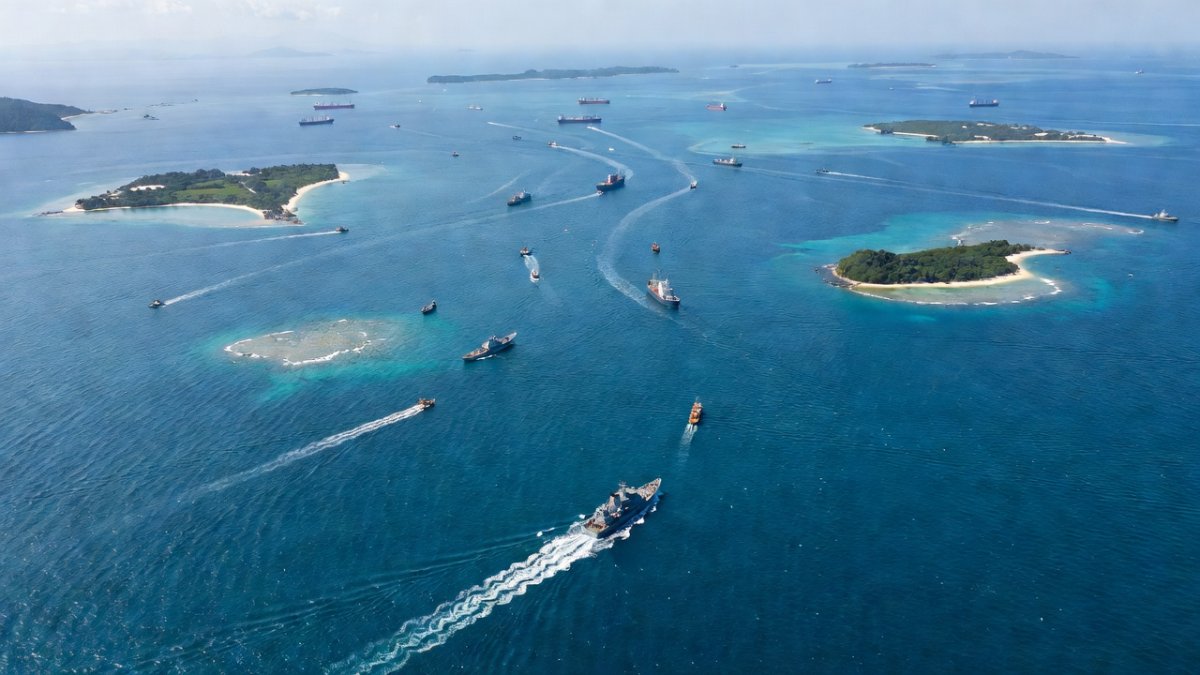
Anniversary Highlights Enduring Legal Framework
This week marks the 10th anniversary of the South China Sea arbitration ruling issued by the Permanent Court of Arbitration in The Hague. The 2016 decision found no legal basis for expansive historic rights claims in the region and favored the Philippines position under international law.
The ruling addressed multiple aspects of maritime entitlements and rejected certain features as generating extended zones. It remains a reference point for states navigating overlapping claims in busy sea lanes.
Japan has consistently supported the legal process since the decision emerged. Its Ministry of Foreign Affairs played a central role in organizing the recent joint statement that draws renewed attention to the outcome.
Joint Statement Issued on Sunday
On Sunday, Japan joined 13 other countries in releasing a coordinated statement through the Ministry of Foreign Affairs. The 14 signatories include the United States, Philippines, Australia, Canada, Estonia, Germany, Italy, Latvia, Lithuania, New Zealand, Romania, Slovenia, and the United Kingdom.
The document describes the ruling as final, legally binding, and definitive between China and the Philippines. It calls for adherence to established maritime rules without introducing new interpretations.
Japan's involvement reflects its broader interest in stable sea lanes. The statement avoids direct confrontation while emphasizing the precedent set by the arbitration.
Manila Conference Addresses Regional Stability
On Friday, a conference in Manila commemorated the anniversary with participation from regional diplomats. Philippine Foreign Secretary Maria Theresa Lazaro noted that nations require a lighthouse when waters grow turbulent.
Australian Foreign Minister Penny Wong highlighted destabilizing conduct in the area during her remarks. The event provided a platform for discussing enforcement of existing legal decisions.
China's embassy in Manila responded by stating that the ruling does not alter its sovereignty claims. This position aligns with earlier refusals to participate in the original proceedings.
Japan's East China Sea Context
Japan maintains its own maritime disputes with China in the East China Sea, particularly around the Senkaku Islands. These confrontations have grown more frequent in recent years, adding layers to Tokyo's approach to South China Sea developments.
Officials in Japan view the arbitration precedent as relevant to managing such tensions through established legal channels rather than unilateral assertions. The Ministry of Foreign Affairs has linked the two regions in public statements on maritime order.
Over three trillion dollars in annual trade passes through the South China Sea, underscoring why Japan prioritizes open access and rule-based navigation for its export-driven economy.
Role of UNCLOS in Global Oceans Governance
The United Nations Convention on the Law of the Sea governs maritime boundaries and resource rights worldwide. More than 170 countries have ratified the treaty, providing a common framework that the 2016 ruling applied to specific features in the South China Sea.
Japan ratified UNCLOS decades ago and has advocated for its consistent application across Asia Pacific waters. The recent joint statement reinforces this treaty as the foundation for resolving disputes without resort to force.
Analysts note that repeated references to the convention help maintain pressure for compliance even when one party rejects a particular decision. This approach supports Japan's strategy of multilateral engagement on maritime issues.
Implications for Asia Pacific Stability
The coordinated statement arrives at a time when territorial confrontations in the South China Sea continue to draw international attention. Japan sees value in collective affirmations that reduce the risk of miscalculation among claimants.
By coordinating the release through its foreign ministry, Japan demonstrates leadership in assembling like-minded states around legal principles. This effort connects directly to its own security interests in nearby waters.
Regional states continue to monitor how the anniversary observances influence future diplomatic exchanges. The emphasis remains on the binding character of the original decision between the two primary parties involved.
Japan's perspective integrates these developments with its broader Indo-Pacific strategy focused on rules-based order. Continued reference to the arbitration helps frame discussions on freedom of navigation and resource management.
Trade volumes through the area reinforce the economic stakes for all participants, including Japan as a major importer of energy and exporter of manufactured goods. The legal clarity provided by the ruling supports predictable commercial routes.
Future commemorations may build on this week's activities to sustain attention on implementation. Japan's role in facilitating the joint statement positions it as a steady advocate for the existing framework.
Tags: South China Sea arbitration, Permanent Court of Arbitration, Japan MOFA, UNCLOS, Philippines ruling, East China Sea disputes, Senkaku Islands, maritime security, rule of law, regional stability, joint statement
By Kenji Tanaka, Staff Writer
- Link to previous coverage of Japan's East China Sea patrols - Link to analysis of UNCLOS applications in Asia Pacific - Link to report on trilateral Japan-US-Philippines maritime exercises Japan coordinates 14-nation statement reaffirming the 2016 South China Sea ruling as binding, tying into its own East China Sea security concerns.This article was produced with AI-assisted research and editorial support. Reporting is based on sources cited in the article.
What's Your Reaction?
 Like
0
Like
0
 Dislike
0
Dislike
0
 Love
0
Love
0
 Funny
0
Funny
0
 Wow
0
Wow
0
 Sad
0
Sad
0
 Angry
0
Angry
0

Japan Correspondent at Global1.News. Tokyo-based voice covering Japanese politics, technology, economy, and culture. Tracks the intersection of tradition and innovation in one of the world's most dynamic societies.














Comments (0)