
Starmer Resigns: Burnham Leads Labour's Race for No 10
The Abrupt End to Sir Keir Starmer's Premiership Sir Keir Starmer has resigned as prime minister after just 23 months in office, a tenure that began with a landslide general election victory in July 2024 and ended amid record local election losses and open discontent within his parliamentary party. The decision follows mounting pressure from Labour MPs who questioned whether he
The Abrupt End to Sir Keir Starmer's Premiership
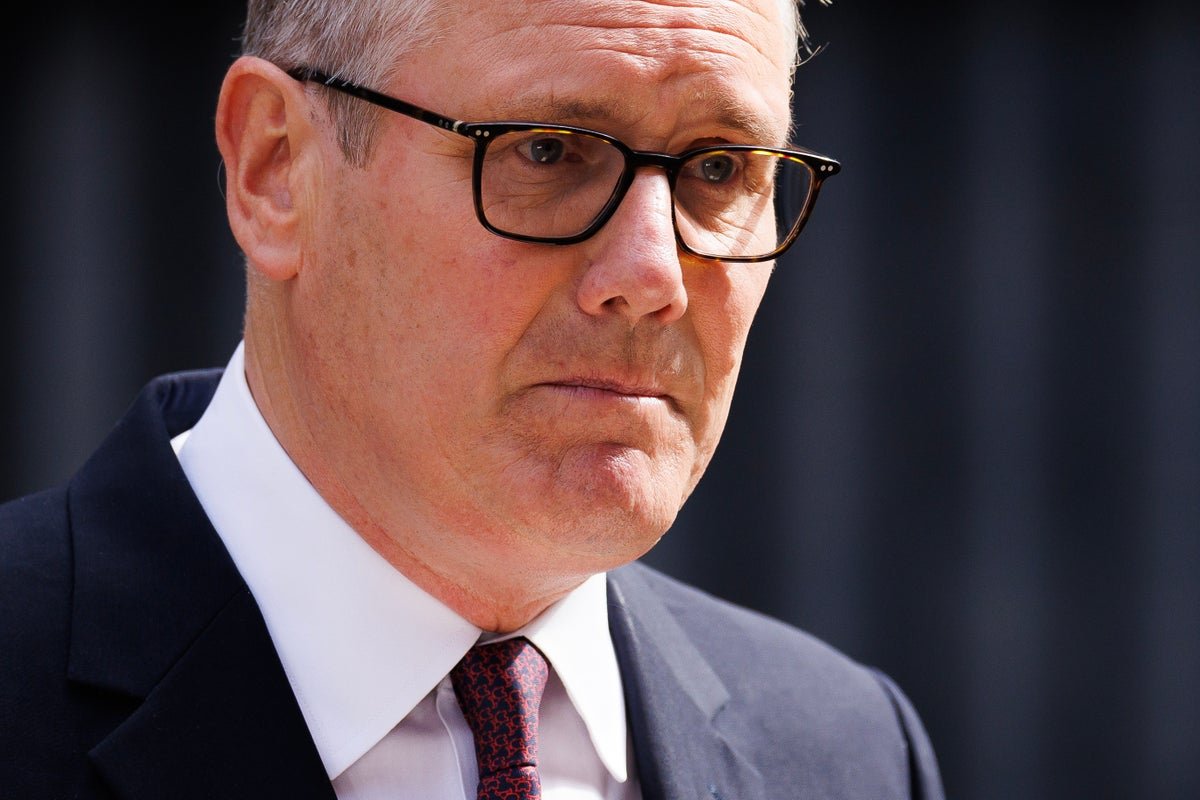
Sir Keir Starmer has resigned as prime minister after just 23 months in office, a tenure that began with a landslide general election victory in July 2024 and ended amid record local election losses and open discontent within his parliamentary party. The decision follows mounting pressure from Labour MPs who questioned whether he remained the right figure to lead the party into the next general election. In his address outside Number 10 on Monday, Sir Keir acknowledged the verdict of his colleagues with measured words, stating that he had heard their answer and accepted it with good grace.
The resignation sets in motion a compressed timetable for a Labour leadership contest, with the process due to begin on 9 July. This rapid timeline reflects the urgency felt across Westminster after Labour's dramatic reversals at the ballot box. The move also clears the path for a potential successor to assume the premiership without the delay of a general election, a prospect that has already prompted discussion among senior figures about the need for stability rather than further upheaval.
(The Independent)
Local Election Defeats That Reshaped the Political Map
Labour's performance in the recent local elections delivered the most severe blow to the party's standing since entering government. The party lost 1,496 councillors across England, surpassing the previous record of losses set by the Conservatives in 1981, and surrendered control of 38 councils. These results were not isolated setbacks but a broad rejection that handed significant ground to Reform UK, which secured 1,451 seats and 14 councils in the same contests.
In Scotland, Labour's ambitions to expand its vote share were left unrealised. In Wales, the party lost control of the Senedd for the first time since its creation in 1999, with its vote share falling by more than half and consigning it to third place. These territorial reversals compounded the sense within the parliamentary Labour party that the leadership required urgent change if further erosion of support was to be arrested.
The Makerfield By-Election and the Rise of Andy Burnham
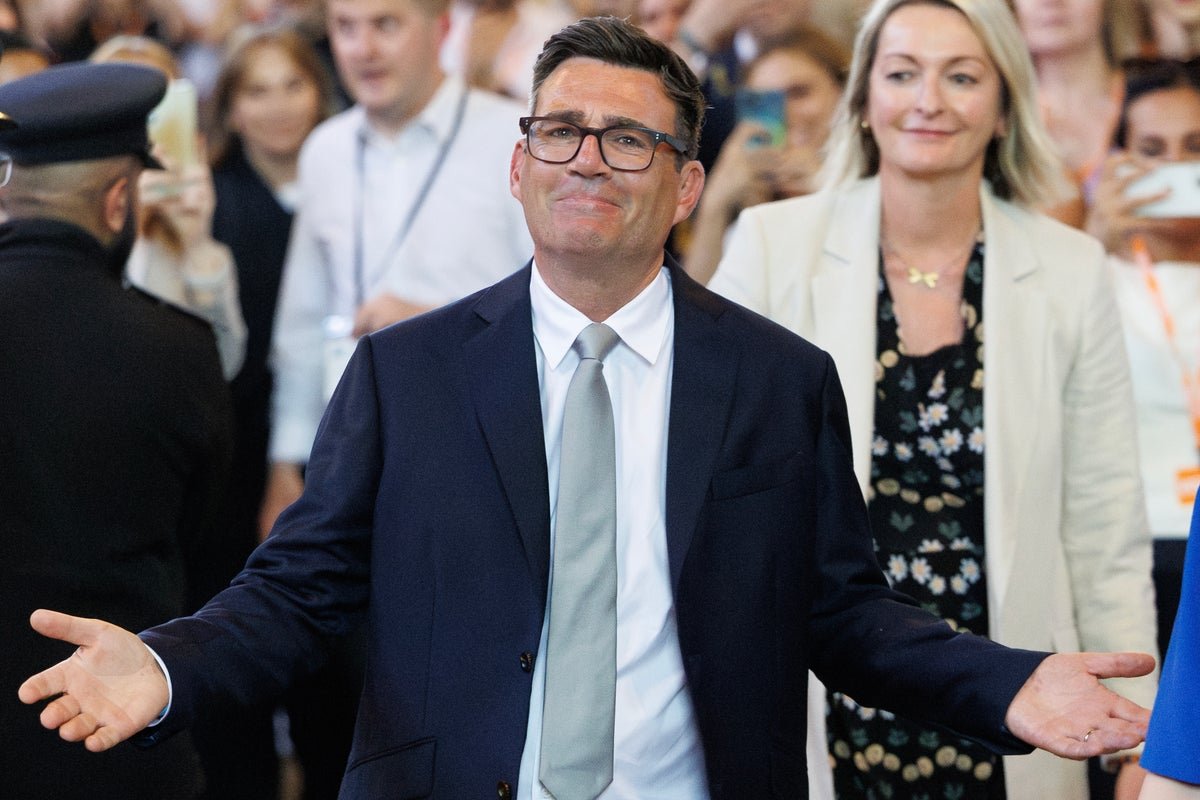
The decisive moment arrived with Andy Burnham's victory in the Makerfield by-election on Thursday. Mr Burnham secured a substantial majority over Reform UK, a result interpreted by many Labour MPs as evidence that he possesses the electoral reach Sir Keir Starmer had lost. The former Greater Manchester mayor's return to parliament has positioned him as the clear frontrunner in the emerging leadership race.
Mr Burnham has already received public backing from former health secretary Wes Streeting and Cabinet Office minister Nick Thomas-Symonds. The latter told Sky News that he supported Mr Burnham's succession and argued that a prolonged contest would not serve the national interest, emphasising instead the need to focus on delivery in the second half of the parliament. Mr Burnham himself has cautioned against premature speculation about an early general election, describing such talk as jumping several hurdles ahead.
Potential Challengers and the Question of Scrutiny
Despite Mr Burnham's apparent momentum, two senior Labour MPs are understood to be considering leadership bids aimed at ensuring his policies face proper examination before he enters No 10. Former defence minister Al Carns has confirmed he is weighing a run, while the BBC has reported that Sir Keir Starmer's chief secretary Darren Jones has not ruled himself out. A number of MPs have expressed discomfort at the prospect of Mr Burnham assuming the premiership without contest, noting that an uncontested process could see him installed by 17 July.
(The Independent)
The absence of a competitive race would mark an unusual route to the highest office, bypassing the normal mechanisms through which a prospective prime minister's platform is tested by colleagues and the wider party. Those contemplating challenges appear motivated by a desire to subject Mr Burnham's approach to the scrutiny that an uncontested coronation would deny.
Public Sentiment and Calls for Stability
A YouGov snap poll conducted in the immediate aftermath of the resignation found that 62 per cent of Britons believe Sir Keir Starmer was right to stand down, with only 19 per cent taking the opposite view. Among those who voted Labour in 2024, the pattern holds, with 52 per cent supporting his departure compared with 28 per cent who would have preferred him to remain. These figures suggest that the parliamentary party's verdict aligns with broader public opinion on the need for a change at the top.
Liberal Democrat leader Ed Davey has urged caution against any rush to the country, arguing that voters seek greater stability and should be given the opportunity to assess the new prime minister. His intervention reflects a wider cross-party preference for continuity in the short term rather than the additional disruption of an immediate general election.
Defence Resignations and the Legacy of Internal Strains
The final months of Sir Keir Starmer's leadership were also marked by high-profile departures from the defence team. Defence secretary John Healey resigned, followed swiftly by armed forces minister Al Carns. Both cited their opposition to the decision to allocate only £10 billion to the Defence Investment Plan rather than the £23 billion they had advocated, at a time when conflicts in Ukraine and the Middle East have heightened global instability.
These exits underscored the internal tensions that accompanied the government's declining poll numbers and contributed to the atmosphere in which Sir Keir Starmer ultimately concluded he could no longer lead. The combination of electoral reversals, ministerial resignations and the emergence of a strong alternative in Andy Burnham has produced a leadership transition that will now unfold under intense scrutiny from both within Labour and across the wider political spectrum.
By Erica Thornton, Staff WriterThis article was produced with AI-assisted research and editorial support. Reporting is based on sources cited in the article.
What's Your Reaction?
 Like
0
Like
0
 Dislike
0
Dislike
0
 Love
0
Love
0
 Funny
0
Funny
0
 Wow
0
Wow
0
 Sad
0
Sad
0
 Angry
0
Angry
0

US Politics and Policy Correspondent at Global1.News. Based in Washington DC, covering American politics, policy, elections, and the courts. Knows how the system works and tells you what it actually means.













Comments (0)