
NATO Ankara Summit Tests Energy Security Commitments
The NATO Summit convening in Ankara on July 7-8, 2026, arrives at a moment when energy transport vulnerabilities have moved from background concern to immediate alliance priority. Discussions are expected to focus on whether NATO can develop a concrete framework for safeguarding critical maritime routes, particularly after recent disruptions linked to the U.S.-Israel-Iran confl
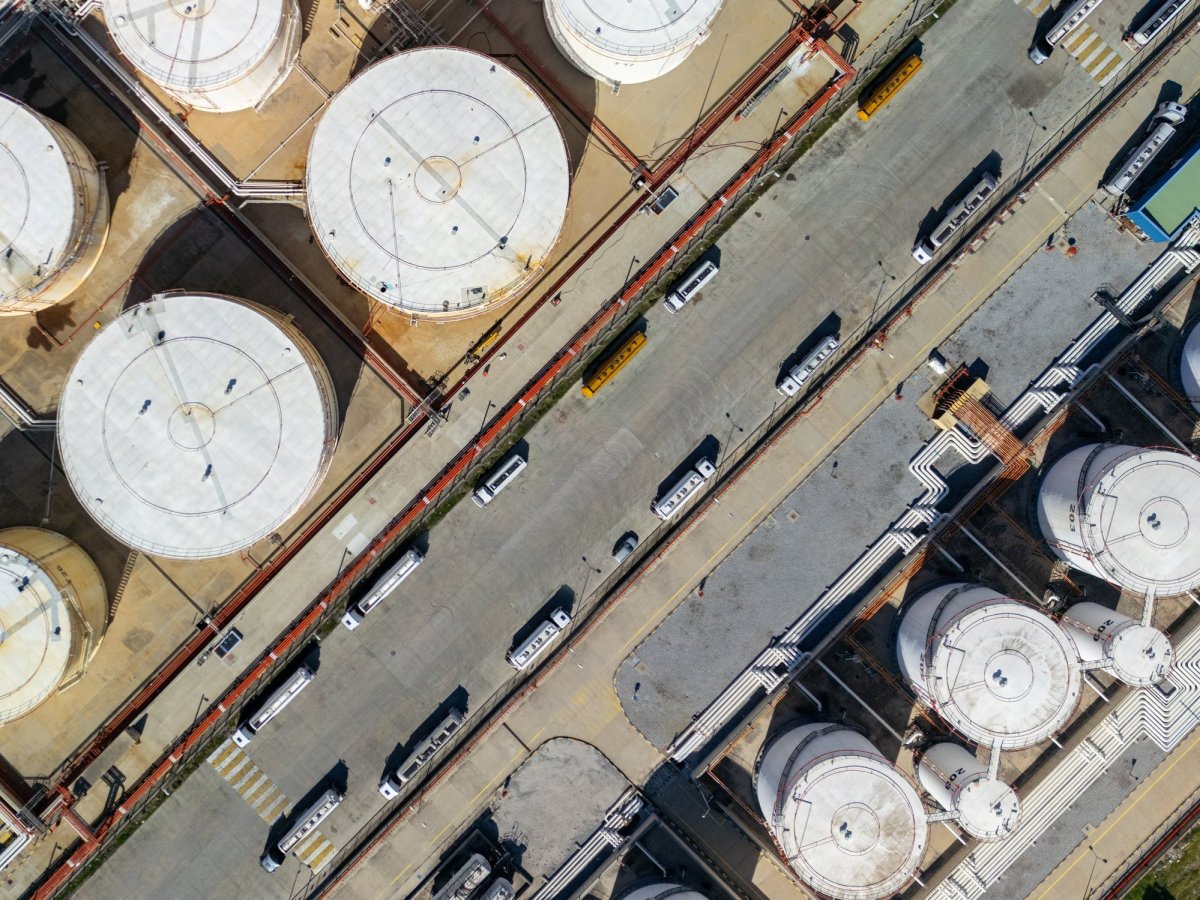
The NATO Summit convening in Ankara on July 7-8, 2026, arrives at a moment when energy transport vulnerabilities have moved from background concern to immediate alliance priority. Discussions are expected to focus on whether NATO can develop a concrete framework for safeguarding critical maritime routes, particularly after recent disruptions linked to the U.S.-Israel-Iran conflict and threats around the Strait of Hormuz. This gathering marks the second NATO summit hosted by Turkey, following the 2004 Istanbul meeting, and occurs one year after the Hague summit established a 5 percent of GDP defense and security spending target with a 2035 horizon.
From National Policy to Alliance Concern
NATO long treated energy security as a matter for individual member states rather than collective defense. Earlier oil crises did not alter this stance. The Russia-Ukraine war prompted greater mention of energy issues in strategic documents, yet the alliance stopped short of creating binding mechanisms for protecting supply routes. The recent conflict involving the United States, Israel, and Iran, together with Hormuz tensions, has highlighted this shortfall more sharply than before. Article 5 of the founding treaty addresses armed attacks on member territory but does not automatically extend to escort operations in the Strait of Hormuz. Turkey’s Defense Minister Yasar Guler told Reuters on June 30 that NATO is adjusting to a shifting security landscape, reflecting Ankara’s view that energy corridors now require coordinated planning rather than ad hoc national responses. Congressional Research Service reports noted that U.S. President Donald Trump heightened criticisms of NATO in March 2026 specifically over European reluctance to share Hormuz shipping burdens, underscoring how the issue has moved from technical to political.
Strait of Hormuz Pressures and Market Effects
Tensions in the Strait of Hormuz have introduced risk premiums into oil and LNG pricing even without full physical cutoffs. Attacks on shipping in the Red Sea and concerns around the Bab al-Mandab Strait have raised insurance costs and lengthened delivery times. NATO is reportedly considering plans to escort commercial vessels through the Strait of Hormuz, though any such operation would require careful legal and operational alignment among allies. U.S. President Donald Trump has pressed European partners to assume greater responsibility for protecting these lanes. European allies and Canada have already reached roughly 4 percent of GDP on defense and security spending, according to NATO Secretary General Mark Rutte, one year into a ten-year effort to reach 5 percent. Rutte has indicated that allies should present concrete plans at the Ankara summit for meeting that target. These discussions intersect with broader Middle East dynamics, including Iran’s nuclear program and Sunni-Shia competition, as Gulf producers weigh the costs of sustained output amid potential Iranian retaliation.
Europe's Storage Shortfall and Supply Competition
Europe’s natural gas storage levels illustrate the practical consequences. Facilities stood at 28 percent full on April 1, 2026, and reached only 48 percent by the end of June. Projections point to a possible 76 percent fill rate by season’s end, well below the European Union’s 90 percent target. The 90 percent fill requirement by November 1 remains legally binding under EU regulation. Slower injections stem from reduced LNG flows tied to Hormuz tensions, softer supplies from Qatar and the UAE, and competition with Asian buyers for available cargoes. Qatar and the UAE have redirected cargoes toward Asia where prices are higher, tightening European availability. Dutch Title Transfer Facility gas prices have risen in response to this supply uncertainty. These figures reflect both actual disruptions and market anticipation of further interruptions. The European Commission has noted the difficulty of meeting storage goals under present conditions, illustrating how Gulf diversification strategies and Asian demand now directly affect European winter preparedness.
U.S. Strategic Petroleum Reserve Challenges
Across the Atlantic, the United States faces its own replenishment task. Large releases from the Strategic Petroleum Reserve after the Russia-Ukraine war left stocks near four-decade lows. The Energy Information Administration has listed refilling the reserve among top energy security priorities. Any coordinated NATO approach to maritime protection would need to account for how U.S. reserve policy interacts with alliance-wide route security. Congressional Research Service assessments have linked renewed U.S. pressure on European spending to these reserve vulnerabilities, noting that sustained Hormuz instability could force Washington to balance domestic replenishment against alliance commitments. This dynamic also touches great-power competition, as China and Russia monitor how U.S. reserve drawdowns affect leverage in Middle East energy markets.
Turkey's Infrastructure Position
Turkey enters the Ankara discussions with substantial existing energy infrastructure that already links Caspian and Middle Eastern producers to European markets. The Trans Anatolian Natural Gas Pipeline, TurkStream, the Baku-Tbilisi-Ceyhan crude pipeline, the Baku-Tbilisi-Erzurum gas line, floating storage and regasification units, and underground storage facilities form a diversified corridor. Black Sea gas integration adds another element, with the Sakarya gas field having begun production and now being integrated into the grid. This network supports Europe’s supply diversification goals and positions Turkey as a practical contributor to any future NATO energy security framework. Turkish officials have emphasized that expanded maritime commitments must be weighed against existing land-based transit advantages, particularly as Arab-Israeli normalization efforts reshape regional energy flows and OPEC+ diplomacy continues to influence spare capacity decisions by Saudi Arabia and the UAE.
Strategic Calculus for Alliance Members
Each side brings distinct incentives to the table. The United States seeks greater burden-sharing on shipping protection while managing its own reserve levels. European states require reliable LNG inflows yet face storage shortfalls that could affect winter supply. Turkey can offer transit capacity and infrastructure but will weigh the costs of expanded maritime commitments. Iran’s regional posture and the reactions of Gulf producers such as Saudi Arabia and the UAE will shape how any new framework is received in energy markets. Saudi Arabia and the UAE maintain spare production capacity but remain reluctant to increase output without long-term contracts. Second-order effects could include shifts in OPEC+ coordination, adjustments in Asian-European LNG competition, and renewed attention to alternative routes that bypass the Strait of Hormuz. Great-power competition involving the United States, China, and Russia adds another layer, as control over energy corridors influences leverage in broader Middle East dynamics. The Ankara summit therefore serves as a test of whether NATO can move from acknowledging energy vulnerabilities to establishing practical, alliance-level responses without overstating immediate enforcement timelines. Outcomes will depend on the concrete plans allies present and the degree to which member states align on protecting maritime energy routes amid ongoing regional tensions.
By Malik Hassan, Staff Writer
This article was produced with AI-assisted research and editorial support. Reporting is based on sources cited in the article.
What's Your Reaction?
 Like
0
Like
0
 Dislike
0
Dislike
0
 Love
0
Love
0
 Funny
0
Funny
0
 Wow
0
Wow
0
 Sad
0
Sad
0
 Angry
0
Angry
0
Middle East Correspondent at Global1.News. Based in Beirut, covering politics, conflict, energy, and society across the Middle East. Brings context and depth to a region often reduced to headlines.











Comments (0)