
Iran-US war latest: Deal to extend ceasefire and reopen Strait of Hormuz ‘just needs Trump signature’
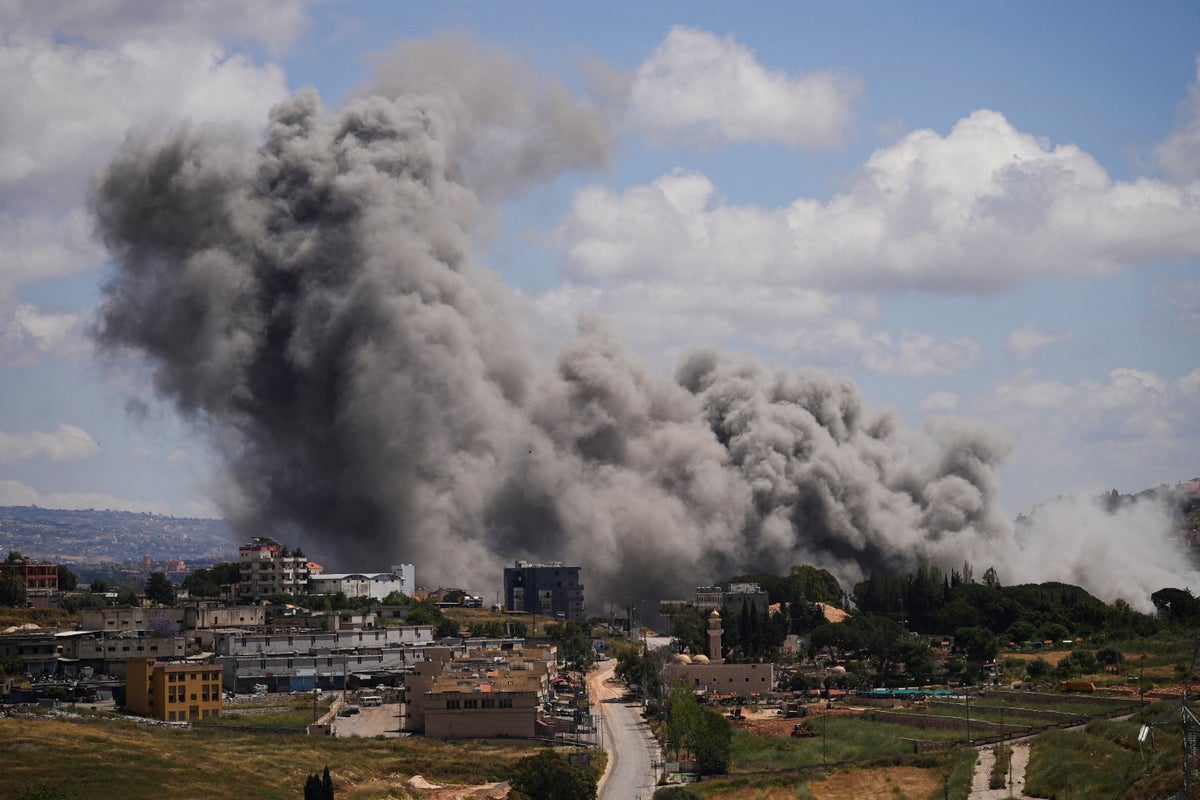
Iran-US Ceasefire Extension Rumours Swirl as Tehran Denies Draft Deal Reaches Trump’s Desk
Reports claiming a draft agreement to prolong the fragile Iran-US ceasefire and reopen the Strait of Hormuz solely awaits President Trump’s signature have been swiftly dismissed by Iranian state media, injecting fresh uncertainty into already volatile Gulf diplomacy. The denial, issued through outlets aligned with Tehran’s foreign ministry, underscores the persistent gap between unofficial leaks and verifiable progress, even as shipping lanes remain partially restricted following months of heightened tensions.
Background to the Fragile Pause
The current ceasefire emerged after direct clashes in the Strait of Hormuz earlier this year, when Iranian Revolutionary Guard naval units intercepted commercial vessels amid disputes over sanctions enforcement. That episode disrupted roughly 20 per cent of global oil transit, pushing Brent crude above $95 a barrel for several weeks. A temporary halt in hostilities was brokered in late summer through Omani and Qatari intermediaries, yet the accord’s core provisions on sanctions relief and navigation rights were never fully codified.
Since then, limited tanker traffic has resumed under strict inspection regimes, but insurance costs for vessels remain elevated at an average premium of 1.8 per cent of cargo value. Industry analysts note that full reopening would immediately ease supply-chain pressures affecting European refineries, particularly those in Rotterdam and Marseille that rely on Gulf feedstock.
The Latest Claims and Tehran’s Rebuttal
Speculation intensified yesterday when anonymous diplomatic sources suggested a revised text extending the ceasefire until mid-2026, coupled with phased sanctions easing, had been forwarded to Washington. The reports, carried initially by regional wire services, asserted the document required only Mr Trump’s approval before formal announcement. Iranian media, however, labelled these accounts “fabricated” and “designed to sow confusion”, insisting no such draft currently sits before the US president.
Foreign ministry spokesperson Nasser Kanaani stated that any substantive agreement must first secure “reciprocal guarantees” on sanctions removal, a position Tehran has maintained since the original JCPOA framework collapsed in 2018. This categorical denial has prompted markets to price in renewed volatility, with oil futures climbing 2.3 per cent in early trading today.
Strategic Importance of the Strait of Hormuz
The narrow waterway between Iran and Oman carries approximately 21 million barrels of oil and condensate daily, equivalent to one-fifth of global consumption. Any prolonged closure would force rerouting around the Cape of Good Hope, adding up to 25 days to voyages and inflating freight rates by an estimated $4-6 per barrel. European economies, still recovering from last winter’s energy shock, would face particular strain given their limited strategic reserves compared with the United States.
Defence analysts emphasise that even partial restrictions, such as the current requirement for armed escorts on certain routes, have already altered shipping patterns. Several major operators have shifted to longer but safer itineraries via the Bab el-Mandeb strait, increasing transit times to Asian refineries by 12-15 days.
Expert Perspectives on Diplomatic Prospects
Dr Eleanor Hargrove, senior fellow at the International Institute for Strategic Studies in London, observes that “the absence of a signed text does not necessarily mean negotiations have stalled, but it does highlight how domestic political calendars in both capitals continue to dictate the pace.” She notes that Mr Trump’s administration has prioritised domestic energy production, potentially reducing immediate pressure to secure a quick deal.
Meanwhile, Iranian economist Dr Reza Maleki from Tehran University cautions that prolonged uncertainty risks accelerating capital flight, with an estimated $12 billion in foreign reserves already committed to maintaining naval presence in the Gulf. “Without verifiable progress on sanctions relief, hardliners in the Revolutionary Guard will continue to view the ceasefire as temporary at best,” he told Global1 News.
Market and Geopolitical Implications
Energy traders are now modelling scenarios in which the ceasefire collapses entirely, forecasting a potential spike to $115 per barrel should Iranian forces resume harassment of commercial shipping. European gas prices have also ticked upward, reflecting concerns that LNG cargoes destined for Asia might divert to compensate for any oil shortfall.
Politically, the episode tests the limits of back-channel diplomacy. Gulf states, particularly Saudi Arabia and the UAE, have urged both sides to formalise the pause, fearing that renewed conflict would invite Houthi retaliation across the Red Sea. US Central Command has maintained a carrier group in the region, underscoring Washington’s readiness to protect freedom of navigation.
Should the denial prove accurate and no draft exists on Mr Trump’s desk, the window for agreement before the US mid-term electoral cycle narrows considerably. Observers warn that any delay beyond spring 2025 risks entrenching a new status quo of intermittent restrictions rather than lasting de-escalation.
The coming days will therefore prove decisive. Tehran’s insistence that reports are unfounded places the onus on Washington to clarify whether substantive talks are advancing or whether public speculation has outpaced private diplomacy. For now, the Strait remains a barometer of trust that neither capital appears willing to fully restore without concrete concessions.
This is Erica Thornton for Global1 News, reporting from London. 🇬🇧
This article was produced with AI-assisted research and editorial support. Reporting is based on sources cited in the article.
What's Your Reaction?
 Like
0
Like
0
 Dislike
0
Dislike
0
 Love
0
Love
0
 Funny
0
Funny
0
 Wow
0
Wow
0
 Sad
0
Sad
0
 Angry
0
Angry
0

US Politics and Policy Correspondent at Global1.News. Based in Washington DC, covering American politics, policy, elections, and the courts. Knows how the system works and tells you what it actually means.









Comments (0)