
India's WPL Revolution: A Blueprint for SA Women's Cricket
The roar from the stands at the Wanderers in Johannesburg still echoes in the hearts of South African cricket fans whenever the Proteas Women take the field. India's stunning rise in women's cricket, captured in the Al Jazeera English 101 East documentary released today, carries direct lessons for Cricket South Africa as the nation prepares its own domestic structures for the 2
The roar from the stands at the Wanderers in Johannesburg still echoes in the hearts of South African cricket fans whenever the Proteas Women take the field. India's stunning rise in women's cricket, captured in the Al Jazeera English 101 East documentary released today, carries direct lessons for Cricket South Africa as the nation prepares its own domestic structures for the 2026 Women's T20 World Cup. The contrast between the Women's Premier League's massive investment and South Africa's more modest setup demands immediate attention from CSA and the SA Sports Ministry.
India's WPL Lights a Fire Under South African Women's Cricket Ambitions
Johannesburg — The transformation unfolding in Indian women's cricket through the Women's Premier League offers a clear blueprint that Cricket South Africa must study closely ahead of the 2026 Women's T20 World Cup. South African fans who watched the Proteas Women fall short in the 2025 ODI World Cup final now see exactly what sustained funding can achieve at the highest level.
The Documentary and the Revolution
The 25-minute Al Jazeera English 101 East documentary released on June 20, 2026, follows three generations of Indian women cricketers whose lives changed after the Women's Premier League launched in 2023. It tracks a star World Cup player, the youngest female cricketer to secure a WPL contract, and a girl being scouted at grassroots level. The film shows how the BCCI's decision to create the WPL injected unprecedented funding that now supports hundreds of young girls pursuing cricket professionally across India.
Viewers see the direct pathway from village grounds to professional contracts. The documentary highlights how the league's structure mirrors the successful IPL model but focuses entirely on women. South African audiences watching on SuperSport will recognise the same hunger that drives local players in the MultiChoice Diski Challenge, yet the scale of opportunity in India dwarfs anything currently available domestically here.
World Cup Glory: November 2025
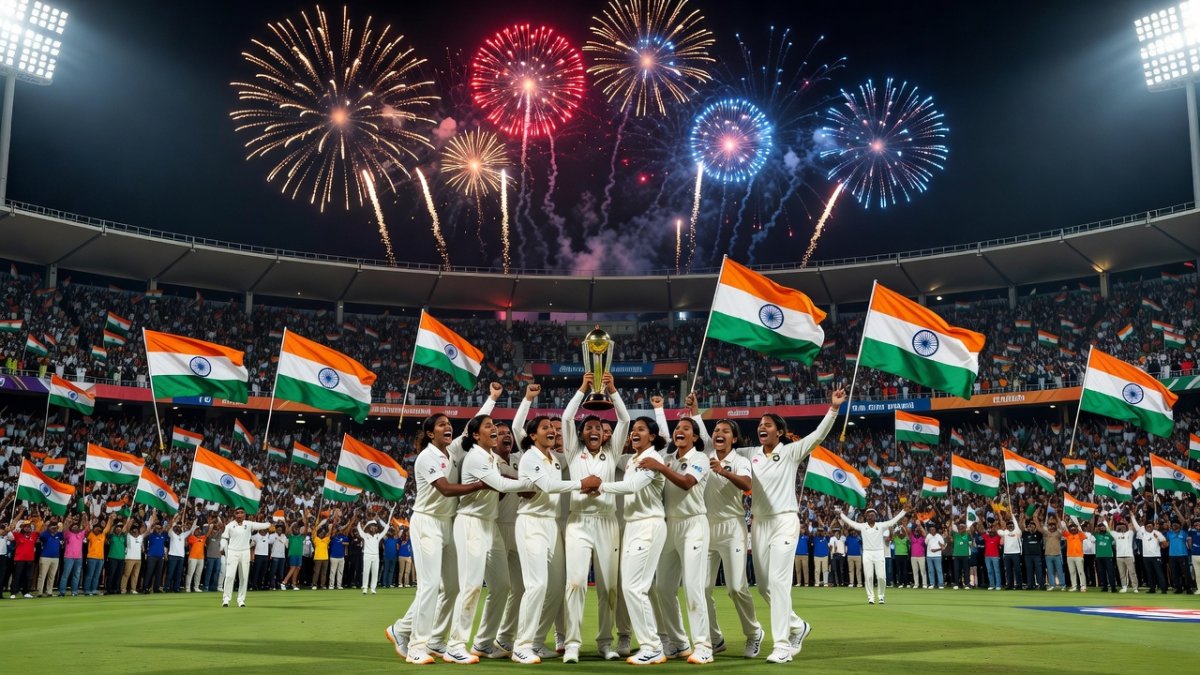
India claimed their maiden Women's ODI Cricket World Cup title in November 2025, defeating South Africa by 52 runs in the final at DY Patil Stadium in Navi Mumbai. Captain Harmanpreet Kaur lifted the trophy after Smriti Mandhana and Shafali Verma delivered a 104-run opening stand. India posted 298 for 7, while the Proteas Women were bowled out for 246.
Marizanne Kapp, Shabnim Ismail, Ayabonga Khaka and Laura Wolvaardt all featured for South Africa in that final. The match exposed the gap in depth that the WPL has since helped India close even further. For Proteas supporters, the result still stings, but it also marks the moment when the need for a comparable domestic investment became impossible to ignore.

The WPL Effect: Money, Opportunity, Dreams
The Women's Premier League began in 2023 under BCCI control with five franchises: Mumbai Indians, Delhi Capitals, Royal Challengers Bangalore, Gujarat Giants and UP Warriorz. In the inaugural auction, 87 women cricketers received contracts after a total of Rs 59.5 crore was spent. Smriti Mandhana fetched the highest bid at Rs 3.4 crore from Royal Challengers Bangalore, while Ashleigh Gardner and Natalie Sciver-Brunt each went for Rs 3.2 crore to Gujarat Giants and Mumbai Indians respectively.
The 2026 season, the league's fourth edition, ran from January 9 to February 5. Royal Challengers Bangalore claimed their second title, beating Delhi Capitals by six wickets. These concrete figures show how the WPL turned women's cricket into a viable career path. Young girls across India now see professional contracts as realistic targets rather than distant dreams.
The South African Perspective
South Africa's domestic women's structure still lacks an equivalent to the WPL's salary scale and broadcast reach. While CSA has made progress with provincial competitions, the financial gap remains stark when compared with the Rs 59.5 crore spent in India's first auction alone. Proteas players such as Marizanne Kapp and Shabnim Ismail have performed at the highest level, yet the absence of a high-paying T20 league limits the number of full-time professionals the system can produce.
Cricket South Africa must examine how the BCCI used the WPL to expand the talent pool. The SA Sports Ministry and SASCOC could play a role in securing similar broadcast deals with SuperSport and MultiChoice. Without comparable investment, the Proteas Women risk falling further behind as India converts its World Cup success into sustained dominance.
Grassroots to Glory: A Blueprint for SA
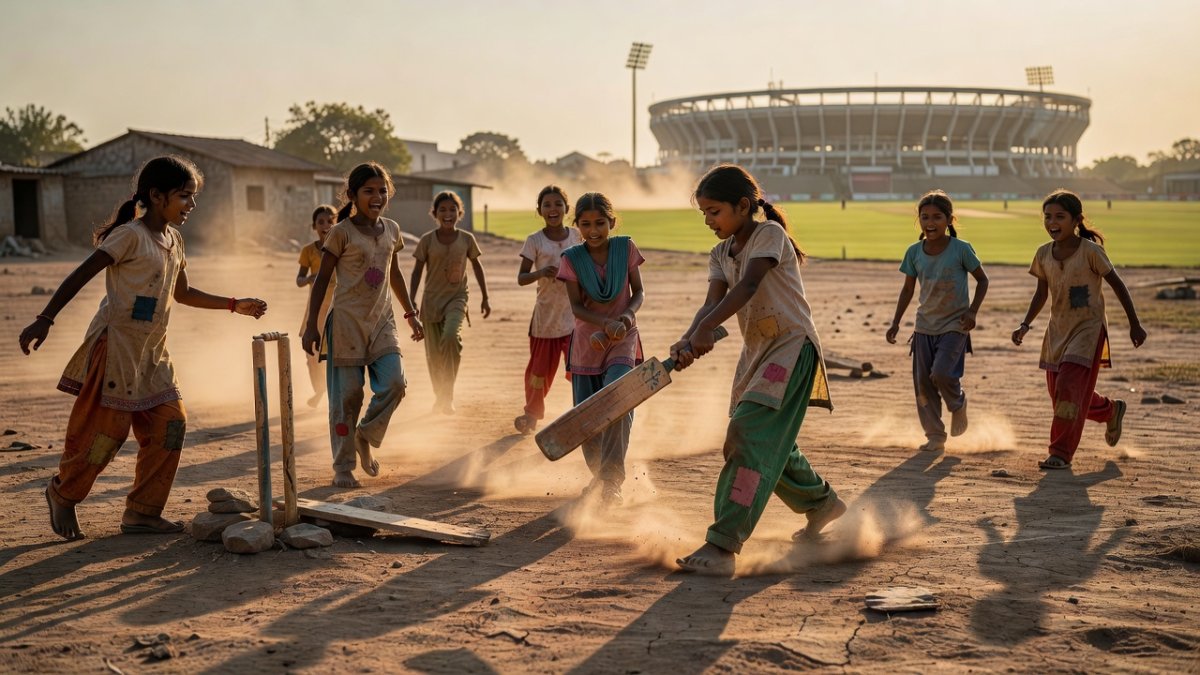
India's WPL created a clear route from school and club cricket to professional contracts. South Africa already possesses strong grassroots programmes through provincial unions, but these need the same financial backing that turns promising players into contracted athletes. The documentary shows scouts identifying talent early and linking it directly to franchise opportunities.
CSA could replicate this model by expanding the existing women's provincial league into a fully professional T20 competition with auction systems and minimum salaries. Transformation targets would benefit directly, as increased funding would allow more girls from previously disadvantaged communities to train full-time. National pride rides on whether South African cricket can match India's commitment to women's development.
What to Watch For
The Proteas Women will enter the 2026 Women's T20 World Cup with renewed focus after the 2025 final experience. Preparation must include exposure to the pace and power that WPL-trained Indian batters now bring consistently. South African fans expect CSA to announce concrete steps toward a professional women's T20 league before the end of this year.
India's success proves that targeted investment at domestic level produces results on the global stage. For South Africa, the choice is clear: replicate the WPL model or accept a permanent gap between the Proteas and the world's leading women's teams. The next generation of South African girls deserves the same opportunities now visible across India.
By Dante Williams, Staff Writer
This article was produced with AI-assisted research and editorial support. Reporting is based on sources cited in the article.
What's Your Reaction?
 Like
0
Like
0
 Dislike
0
Dislike
0
 Love
0
Love
0
 Funny
0
Funny
0
 Wow
0
Wow
0
 Sad
0
Sad
0
 Angry
0
Angry
0

Breaking News and Investigations Correspondent at Global1.News. Based in London, covering global breaking news, security, and investigative stories. Known for digging deeper and connecting the dots across continents.














Comments (0)