
US-Iran Ceasefire Reopens Strait of Hormuz: Who Won?
Opening Folks, the world just exhaled on June 18, 2026. After more than one hundred days of bombs, blockades, and brinkmanship, President Trump at the G7 in France and Iranian President Pezeshkian in Tehran electronically signed a memorandum that ends the US-Israel war on Iran and reopens the Strait of Hormuz. That narrow waterway carries twenty percent of global oil and gas. I
Opening
Folks, the world just exhaled on June 18, 2026. After more than one hundred days of bombs, blockades, and brinkmanship, President Trump at the G7 in France and Iranian President Pezeshkian in Tehran electronically signed a memorandum that ends the US-Israel war on Iran and reopens the Strait of Hormuz. That narrow waterway carries twenty percent of global oil and gas. It had been shut since late February, turning energy markets into a pressure cooker. Now the deal is live, the blockade is lifted, and Vice President Vance has given everyone a sixty-day negotiating window. This is not peace on a silver platter. It is a hard-fought pause that both sides desperately needed.
Yet the ink is barely dry and already the contradictions are shouting. Iran’s foreign ministry calls the moment a diplomatic triumph. The IRGC warned the very next day that the strait could slam shut again if anyone steps out of line. Ships are still idling outside the entrance because captains do not trust the safety guarantees. Bloomberg labeled Iran the de facto gatekeeper of the strait. That phrase alone should make every energy trader sit up straight. We are watching a nation that was supposed to be isolated suddenly hold a choke point that can move or freeze twenty percent of the world’s energy supply. The drama is not over. It has simply changed shape.
Let me be direct. This ceasefire is messy, contradictory, and loaded with leverage. It is also the first real off-ramp since the fighting began. The question is not whether the deal is perfect. The question is who actually controls the next sixty days and what happens to the roughly forty thousand seafarers still stuck on ships and the nine hundred tankers that went dark to sneak through. Buckle up. We are breaking it down section by section.
What Actually Got Signed
The memorandum is short on poetry and long on specifics. Iran reaffirms it will not pursue nuclear weapons. The United States agrees to a withdrawal timeline from forward positions. A three-hundred-billion-dollar reconstruction fund is created to help rebuild Iranian infrastructure damaged during the conflict. IAEA inspectors return for fresh nuclear talks. The US lifts the blockade on Iranian ports immediately. In exchange, the Strait of Hormuz reopens under a monitored transit regime that gives Iran a seat at the table for security coordination. Electronic signatures from Trump and Pezeshkian made it official on June 18. No grand ceremony, just two leaders hitting send from opposite sides of the planet.
Vice President Vance’s sixty-day clock starts now. During that window, technical teams will hammer out shipping lanes, insurance rules, and verification mechanisms. The deal does not erase sanctions entirely. It pauses them while negotiators work. Critics already argue the arrangement hands Iran too much leverage over global energy flows. They are not wrong to worry. Iran’s Revolutionary Guard issued a statement on June 19 reminding everyone that closure remains an option if the United States or Israel violates the spirit of the agreement. That warning sits in direct tension with the foreign ministry’s celebratory tone. One hand signs the paper. The other keeps a finger on the strait’s on-off switch.
Still, the core bargain is clear. Iran gets breathing room and reconstruction cash. The United States gets a nuclear pledge and an end to the Hormuz crisis that was hammering fuel prices worldwide. Whether those promises hold depends on what happens in the next two months. The document itself is only the starting line.
How We Got Here
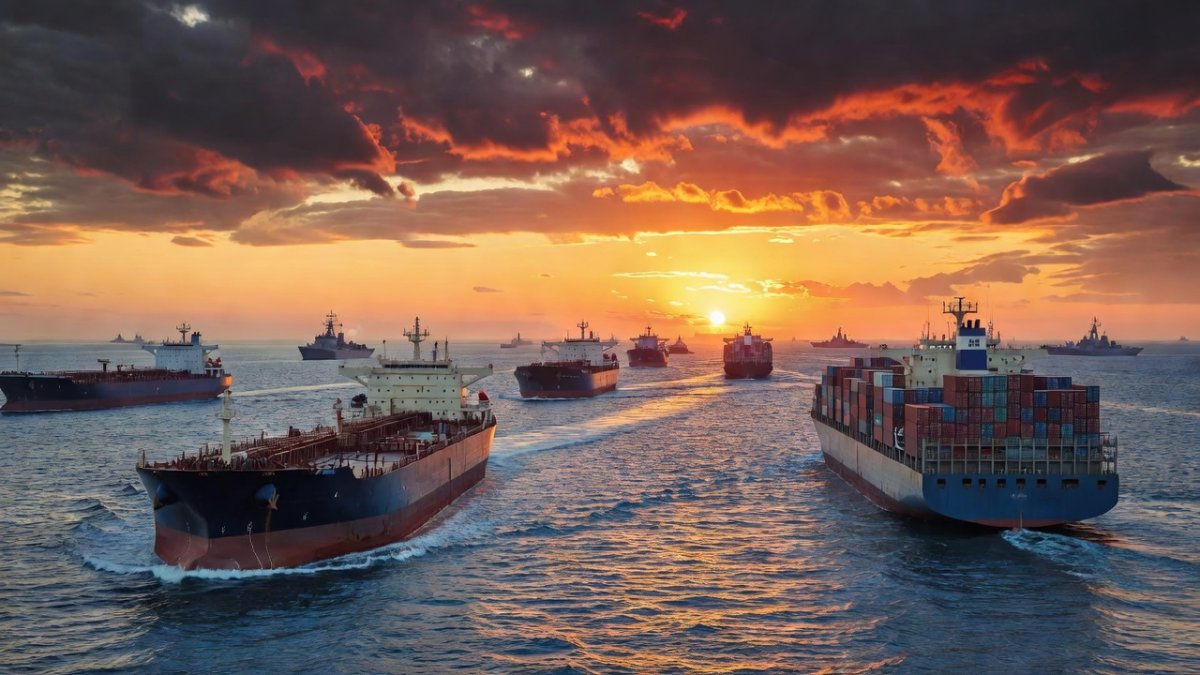
Remember late February 2026. The strait closed after a series of strikes and counter-strikes that began with Israeli operations and quickly drew in American forces. Iran responded by mining approaches and threatening any vessel that tried to run the blockade. Nine hundred tankers turned off their transponders and attempted to slip through at night. Forty thousand seafarers found themselves trapped on vessels that could not dock and could not safely leave. Global oil prices spiked. Supply chains fractured. The conflict dragged past one hundred days with no clear victor and mounting domestic pressure on every capital involved.
By early June both sides were looking for an exit. Trump faced an electorate tired of open-ended Middle East commitments. Pezeshkian needed sanctions relief and reconstruction money to stabilize an economy under siege. The G7 setting in France provided neutral ground for the electronic handshake. Bloomberg’s reporting captured the new reality: Iran had become the gatekeeper because geography and military reach gave it that power. The United States could not simply bomb its way to open water without risking an even wider war. The deal reflects that balance of power more than any sudden outbreak of goodwill.
Diplomatic back channels had been active for weeks. The final text emerged only after intense last-minute haggling over the reconstruction fund size and the exact wording of the nuclear pledge. When the signatures landed, both capitals declared victory. That simultaneous claim tells you everything about how exhausted each side had become.
The Human Cost
Behind the headlines sit forty thousand seafarers still waiting for safe passage. Many have been aboard for months, running low on fresh food and medical supplies. Families back home have gone without paychecks. Ports in Iran remain congested even after the blockade lift because captains are waiting for insurance clarity. The nine hundred dark tankers that risked the run now face legal and safety questions about where they can legally dock.
Ordinary Iranians have endured power outages, medicine shortages, and rising prices throughout the fighting. The three-hundred-billion-dollar fund is meant to address some of that damage, yet distribution will take years and will be watched closely by skeptics who fear corruption. On the American side, service members and their families absorbed the strain of extended deployments. The ceasefire brings relief, but it does not erase the physical and psychological toll already paid. These human stories rarely make the front page, yet they are the real measure of whether this deal delivers anything lasting.
Who Really Won
Let’s cut through the spin. Iran secured a seat at the energy table and a reconstruction lifeline while keeping its nuclear infrastructure intact under new IAEA scrutiny. That is leverage it did not have before the conflict. The United States ended an open-ended military commitment and removed a major threat to global oil supplies. Both sides avoided the nightmare scenario of a wider regional war. In that narrow sense, the deal is a mutual off-ramp.
Yet Iran now holds practical control over a waterway that can move or freeze twenty percent of world energy. That reality will shape every negotiation in the coming sixty days. Critics who say the agreement gives Tehran too much power are pointing at a genuine structural shift. The United States traded some of its regional dominance for stability. Whether that trade proves wise depends on how aggressively Iran wields its new gatekeeper role. The IRGC warning on June 19 already shows the internal tension inside Tehran between hardliners and pragmatists. The winner is whoever controls that tension over the next two months.
The Next 60 Days
The clock is ticking. Technical teams must finalize shipping protocols, insurance frameworks, and verification procedures. The IAEA will begin fresh inspections. The reconstruction fund needs governance rules so money actually reaches damaged infrastructure instead of disappearing into accounts. Ships will not move in volume until captains see concrete safety guarantees. Any incident at sea could collapse the fragile trust before the sixty days are up.
Watch the IRGC statements versus the foreign ministry line. If those two voices diverge further, the deal is in trouble. Watch tanker insurance rates. If they remain sky-high, traffic will stay light. Watch the price of oil. A steady drop signals confidence. A spike signals doubt. These sixty days are not a victory lap. They are a stress test of whether both capitals can keep their own hardliners in check.
What This Means
This ceasefire proves that even bitter enemies will eventually seek an exit when costs become unbearable. It also proves that geography still confers power. Iran’s position astride the strait gives it influence that sanctions alone could never erase. The next two months will determine whether that influence stabilizes energy markets or becomes a permanent bargaining chip. Readers should track daily tanker movements and IAEA reports. Those numbers will tell the real story long before any politician claims success. Stay informed, stay skeptical, and demand transparency on how the three-hundred-billion-dollar fund is actually spent. By Jessica Ali, Global 1 News
This article was produced with AI-assisted research and editorial support. Reporting is based on sources cited in the article.
What's Your Reaction?
 Like
0
Like
0
 Dislike
0
Dislike
0
 Love
0
Love
0
 Funny
0
Funny
0
 Wow
0
Wow
0
 Sad
0
Sad
0
 Angry
0
Angry
0

Editor-in-Chief at Global1.News. Atlanta-based journalist who cuts through the BS and tells it like it is. Lead anchor, host, and the voice you hear when the spin stops and the truth starts.












Comments (0)