
IIT Roorkee Cow Urine Study Targets Chikungunya Virus
**Keywords:** IIT Roorkee, cow urine distillate, chikungunya, Prof Shailly Tomar, thymoquinone, piperine, ACS Agricultural Science & Technology, Ministry of AYUSH, ICMR, benzoic acid, hippuric acid, oleic acid, Prof Kamal Kishore Pant, antiviral research, Indian healthcare India continues to face recurrent chikungunya outbreaks that strain public health systems and household ec
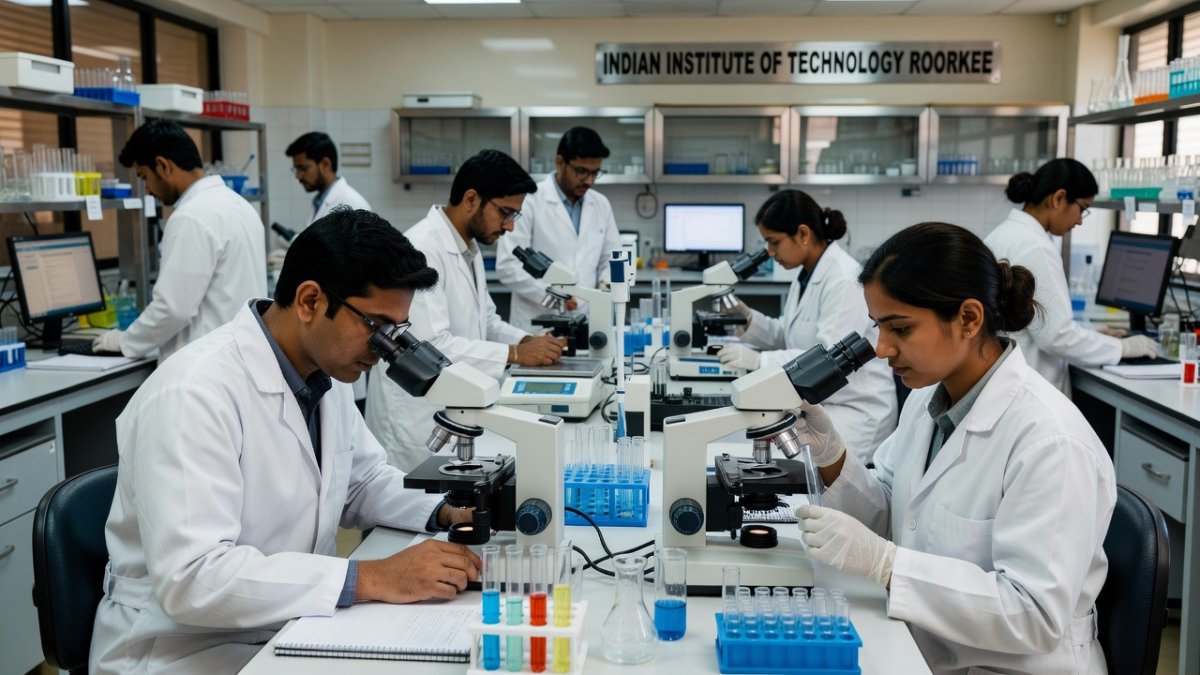
India continues to face recurrent chikungunya outbreaks that strain public health systems and household economies. A new study from IIT Roorkee examines cow urine distillate as a potential source of antiviral compounds, generating both scientific interest and policy discussion.
India's Chikungunya Burden
Chikungunya has become a recurring public health challenge across multiple Indian states. Delhi, Maharashtra, Kerala, and Tamil Nadu have recorded repeated outbreaks, with thousands of confirmed cases annually. The absence of specific antivirals forces clinicians to rely on symptomatic management, increasing the duration of illness and indirect costs such as lost wages and caregiver burden. Taxpayers ultimately finance expanded vector-control programmes and hospital capacity during peak seasons, while state health budgets absorb the financial shock of diagnostic testing and supportive care.
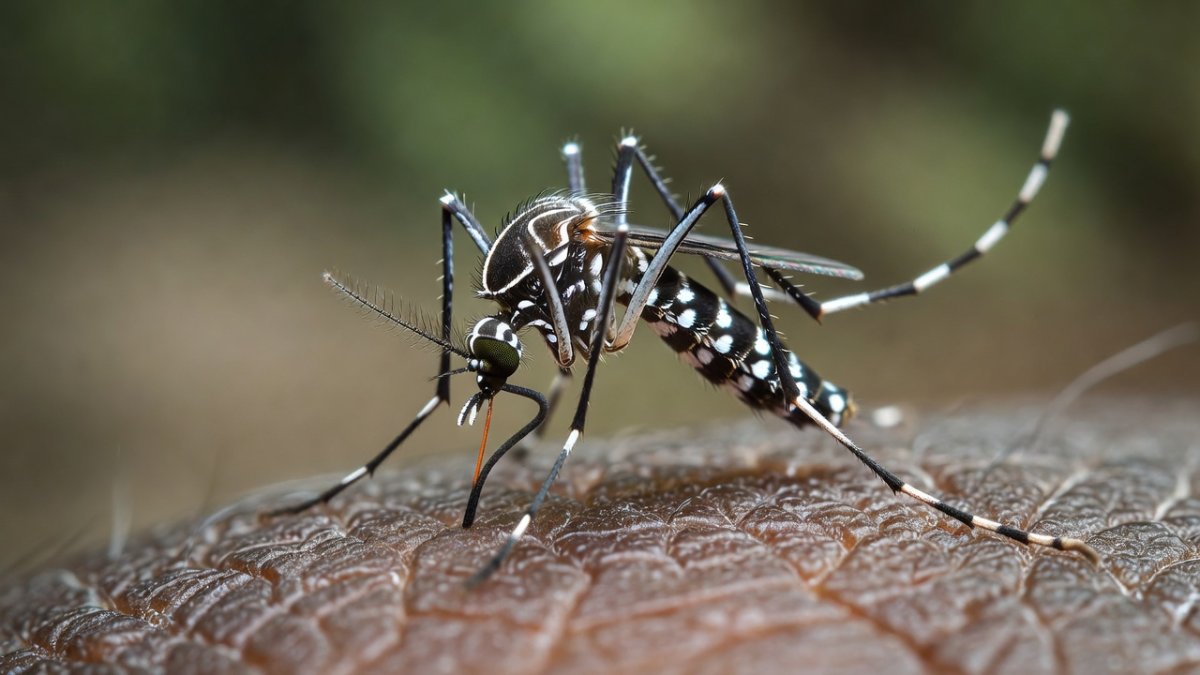
ICMR surveillance data show that urban and semi-urban areas experience the highest incidence because Aedes mosquitoes thrive in densely populated environments with inadequate drainage. Patients often present with prolonged arthralgia that can persist for months, reducing workforce productivity and increasing demand for physiotherapy and pain-management services. In the absence of targeted therapeutics, these chronic symptoms translate into higher out-of-pocket expenditure for middle- and low-income families. The economic multiplier effect extends to agricultural and construction sectors where daily-wage labourers cannot work during acute and convalescent phases.
Policy makers have therefore welcomed any credible research that might reduce dependence on imported antivirals or vaccines still under development. Integration of validated traditional preparations into the national response could lower treatment costs and free resources for broader mosquito-control infrastructure. The IIT Roorkee findings arrive at a moment when the Ministry of Health and ICMR are actively seeking affordable, domestically producible options that align with India’s pharmaceutical manufacturing strengths.
The IIT Roorkee Study
Prof Shailly Tomar led the multidisciplinary team at IIT Roorkee that combined classical virology assays with metabolomics and molecular docking to evaluate cow urine distillate. The project received support from the Ministry of AYUSH, reflecting the government’s interest in systematically examining Ayurvedic materials through modern biotechnology platforms. Researchers fractionated the distillate, identified candidate metabolites, and tested their ability to interfere with chikungunya virus replication in cell-culture models.
Publication in the ACS Agricultural Science & Technology journal provided peer-reviewed visibility for the metabolomic profiling and docking studies. The methodology included high-resolution mass spectrometry to catalogue organic acids and phenolic compounds, followed by in-silico screening against viral protease and envelope proteins. This rigorous pipeline allowed the team to move beyond anecdotal claims and generate quantitative inhibition data. Collaboration with virology laboratories ensured that biosafety protocols met national standards, an essential step for any research intended to inform public-health decisions.
Prof Kamal Kishore Pant, Director of IIT Roorkee, emphasised that the study exemplifies the institute’s commitment to translational research that bridges traditional knowledge systems with contemporary drug-discovery frameworks. The involvement of AYUSH funding underscores a policy shift toward evidence-based validation rather than uncritical acceptance or outright dismissal of traditional preparations. Such institutional backing is expected to accelerate downstream animal studies and regulatory engagement.
Laboratory Results
In controlled cell-culture experiments, cow urine distillate alone produced a greater than 90% reduction in chikungunya viral load. When researchers optimised the formulation by adding thymoquinone and piperine, inhibition reached 99.85%. These figures were obtained through plaque-reduction and quantitative RT-PCR assays, providing two independent measures of antiviral activity. The dose-response curves indicated that the enhanced mixture maintained efficacy at lower concentrations, an important consideration for future formulation safety and cost.
Metabolomic analysis revealed that the observed activity correlated with the presence of several organic acids already known to possess pharmacological properties. The 90% reduction achieved with distillate alone suggests that native compounds contribute meaningfully, while the near-complete suppression seen with the optimised blend points to synergistic interactions. Researchers documented that the combination did not induce measurable cytotoxicity in the tested cell lines, supporting further preclinical evaluation.
These laboratory outcomes carry direct implications for Indian patients who currently endure prolonged symptoms without disease-modifying options. Should subsequent trials confirm similar efficacy in vivo, domestic production of standardised formulations could dramatically lower per-patient treatment costs compared with imported antivirals still in development pipelines.
Bioactive Compounds
Three compounds—benzoic acid, hippuric acid, and oleic acid—were prominently identified in the active fractions of cow urine distillate. Molecular docking studies indicated that these molecules can bind to conserved regions of the chikungunya virus nsP2 protease and envelope glycoproteins, potentially disrupting polyprotein processing and viral entry. The binding affinities calculated in silico aligned with the observed reductions in viral titre, lending mechanistic plausibility to the empirical results.
Thymoquinone and piperine were introduced to enhance bioavailability and target engagement. Piperine is already recognised in Indian pharmacopoeia for improving absorption of co-administered compounds, while thymoquinone possesses documented anti-inflammatory properties that could mitigate the arthralgia associated with chikungunya. Their inclusion in the optimised formulation therefore addresses both antiviral and symptomatic dimensions of the disease.
For Indian taxpayers and health administrators, the identification of these readily available or easily synthesised molecules reduces reliance on complex natural-product isolation. Domestic pharmaceutical manufacturers could scale production using existing fermentation and extraction infrastructure, further lowering costs and creating skilled employment in the biotechnology sector.
Traditional Knowledge Meets Modern Science
Prof Kamal Kishore Pant noted that the study demonstrates how classical Ayurvedic descriptions of cow urine can be interrogated with contemporary analytical tools without discarding cultural context. The Ministry of AYUSH’s support facilitated access to authenticated distillate samples and ensured that traditional preparation methods were respected during fractionation. This respectful integration has helped maintain credibility among practitioners who have long advocated for systematic investigation rather than wholesale rejection.
By publishing in an ACS journal, the IIT Roorkee team has subjected traditional claims to the same scrutiny applied to synthetic drug candidates. The resulting data set provides a transparent foundation for regulatory discussions with the Central Drugs Standard Control Organisation. Such transparency is essential if formulations are eventually to be incorporated into national treatment guidelines alongside existing vector-control measures.
The collaborative model also offers a template for other state universities and ICMR institutes seeking to evaluate additional Ayurvedic preparations. Establishing clear intellectual-property frameworks that acknowledge traditional knowledge holders will be necessary to sustain long-term partnerships and avoid future disputes over benefit sharing.
Implications for India
Successful translation of these findings could reduce India’s dependence on imported antiviral compounds and strengthen domestic manufacturing capacity. Lower treatment costs would directly benefit patients in high-burden states where out-of-pocket expenditure remains a significant barrier to timely care. ICMR and state health departments could incorporate validated formulations into public programmes, freeing resources currently allocated to prolonged supportive care.
Investment in IIT and ICMR research infrastructure would generate high-value jobs in analytical chemistry, virology, and regulatory science. The multiplier effect on ancillary industries—glassware, cold-chain logistics, and quality-control reagents—would further stimulate the economy. Moreover, standardised cow-urine-derived products could be positioned for export to other tropical countries facing similar chikungunya challenges, contributing to India’s pharmaceutical trade balance.
Public-health economists estimate that even modest reductions in average illness duration would yield substantial savings in lost productivity. For daily-wage households, earlier return to work translates into preserved nutrition and education budgets, reducing the intergenerational transmission of poverty linked to health shocks.
Next Steps and The Road Ahead
Animal-model studies are required to confirm efficacy and establish pharmacokinetic and safety profiles. Researchers plan to conduct dose-ranging experiments in suitable rodent models before progressing to non-human primates. Parallel efforts will focus on developing stable, scalable formulations that retain activity under tropical storage conditions.
Human clinical trials will follow the regulatory pathway overseen by the Ministry of Health in coordination with AYUSH and ICMR. Phase I safety studies will precede efficacy trials in endemic districts, with careful monitoring for adverse events and drug interactions. Ethical review boards will need to ensure informed consent processes accommodate varying literacy levels in rural trial sites.
Long-term success will depend on sustained funding commitments, transparent data sharing, and equitable access provisions. If these milestones are achieved, India could emerge as a global leader in evidence-based traditional-medicine research while delivering tangible relief to millions affected by chikungunya each year.
 — By Dr. Raj Patel, Staff Writer
This article was produced with AI-assisted research and editorial support. Reporting is based on sources cited in the article.
What's Your Reaction?
 Like
0
Like
0
 Dislike
0
Dislike
0
 Love
0
Love
0
 Funny
0
Funny
0
 Wow
0
Wow
0
 Sad
0
Sad
0
 Angry
0
Angry
0

India/South Asia Correspondent at Global1.News. Analytical voice with a background in science and health journalism. Based in New Delhi, covering Indian politics, education, healthcare, technology, and policy. Breaks down complex data into clear, actionable reporting.













Comments (0)