
Grammy-winning director explores his Nigerian grandfather's role in the Biafran war
Bringing Forgotten Voices to Light Meji Alabi, known for directing music videos for artists like Beyoncé, Burna Boy, Davido and Stormzy, has turned his lens toward a deeply personal project. His new documentary, Surviving Biafra: Voices from the Nigerian Civil War, produced by BBC Africa Eye, features previously unseen frontline footage from the conflict that ran from 1967 to 1
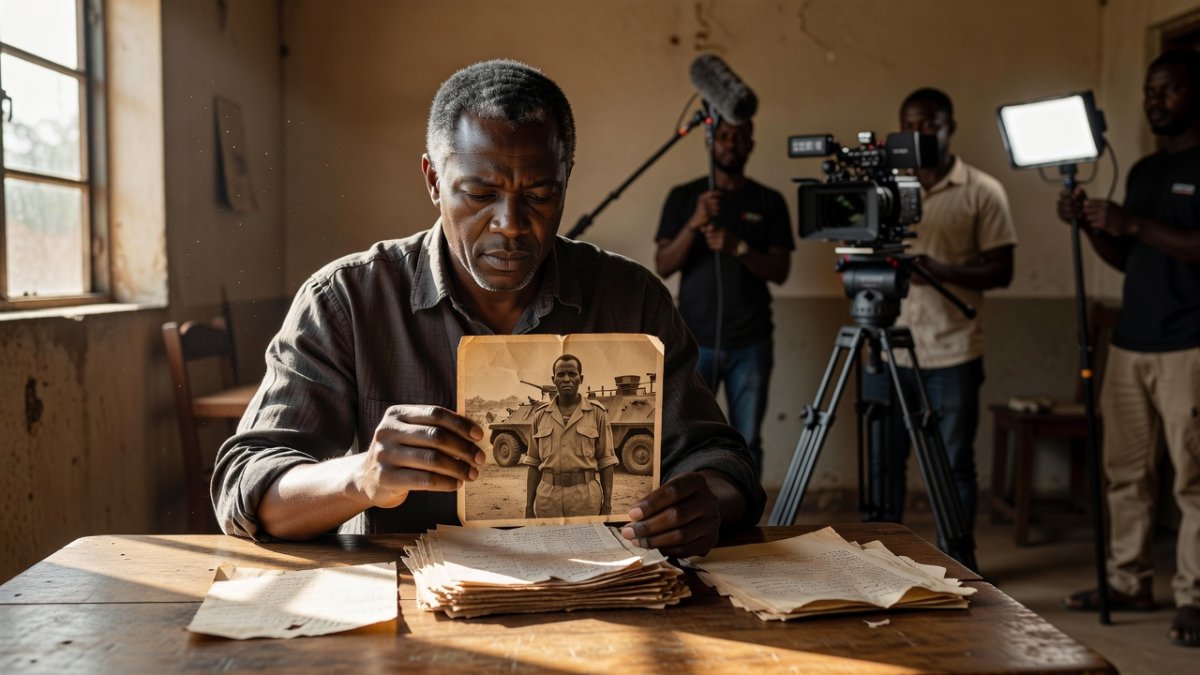
Bringing Forgotten Voices to Light
Meji Alabi, known for directing music videos for artists like Beyoncé, Burna Boy, Davido and Stormzy, has turned his lens toward a deeply personal project. His new documentary, Surviving Biafra: Voices from the Nigerian Civil War, produced by BBC Africa Eye, features previously unseen frontline footage from the conflict that ran from 1967 to 1970. For Meji, born in London to Nigerian parents and later schooled in Texas, the work opened his eyes to a past he knew little about growing up.
Family Ties That Shaped the Story
Meji partnered with his uncle Leke Alabi-Isama, a fellow filmmaker and co-founder of their Lagos-based company PriorGold Pictures. Their shared journey began with stories from their grandfather, Godwin Alabi-Isama, a federal army commando who fought against Igbo separatists seeking an independent Biafra. Leke, now 44 and raised in Abeokuta, Ogun state, grew up hearing tales of his father's role as chief of staff to Brigadier Benjamin Adekunle in the 3 Marine Commando. These accounts painted his father as a liberator of towns and villages, yet deeper research later revealed the full human cost on all sides.
Survivors Recounting a Painful Era
The documentary gathers accounts from survivors now in their 70s and 80s who lived through the fighting. The war erupted after military coups and massacres targeting Igbo people in northern Nigeria, prompting around a million to return to the southeast where three states declared the Republic of Biafra. Nigerian government forces responded, leading to estimates of 500,000 to three million deaths, many of them children. The conflict marked the world's first televised humanitarian disaster, with graphic images of starvation reaching homes worldwide. After 30 months, Biafra surrendered.
Learning History Beyond School Walls
Most Nigerians encounter this chapter through family stories rather than formal education. For more than a decade before September 2025, history was not part of the national school curriculum. Leke recalls his own schooling offered just a line or two in a book. He and Meji note that the full extent of suffering, including mass starvation in Biafra and allegations of war crimes against federal forces like the 3 Marine Commando, remains only partially addressed in public memory. Leke describes Nigeria as hesitant to confront its own truth.
Why This Documentary Matters Now
Meji and Leke found few Nigerian-made films offering truthful accounts of the war. Topics like this often stay whispered rather than confronted directly. Their work stands out as an inquisitive look from a younger generation, moving beyond the federal army perspective Leke once held to include the horrors and pain experienced by others. The project highlights how one family's story can open doors to broader understanding and healing within communities still shaped by these events.
Connecting Past and Present Generations
Through this film, Meji and Leke aim to bridge gaps in knowledge that affect daily life, politics and cultural memory across Nigeria. By sharing survivor voices and unseen footage, they invite reflection on a conflict that divided families and tested the young nation's bonds. Their effort shows how confronting shared history can strengthen community ties and encourage honest conversations for the future.
By Amara Diop, Staff WriterThis article was produced with AI-assisted research and editorial support. Reporting is based on sources cited in the article.
What's Your Reaction?
 Like
0
Like
0
 Dislike
0
Dislike
0
 Love
0
Love
0
 Funny
0
Funny
0
 Wow
0
Wow
0
 Sad
0
Sad
0
 Angry
0
Angry
0
West Africa/Sahel Correspondent at Global1.News. Dakar-based journalist covering politics, security, climate, and development across Francophone and Anglophone West Africa. Tells the stories of a region undergoing profound transformation.










Comments (0)