
Ferdinand Coly: From Football to Farming, a World Cup Lesson for Senegal
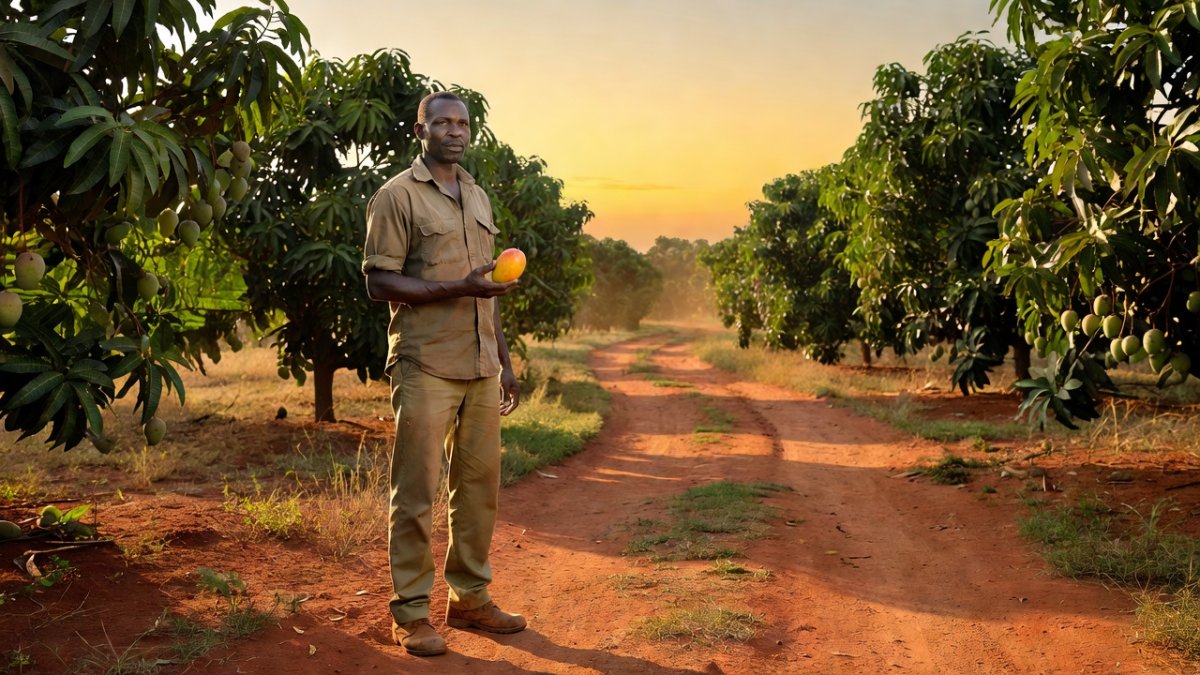
From Mango Groves to MetLife Memories Ferdinand Coly stands among his mango trees in Saly on June 16 2026, the same day Senegal faces France at MetLife Stadium in New Jersey. The 52-year-old right-back born on 10 September 1973 in Dakar tends orchards 80 kilometres south of the capital, where he has farmed since retiring in 2008. His story runs parallel to Senegal's journey fro
From Mango Groves to MetLife Memories
Ferdinand Coly stands among his mango trees in Saly on June 16 2026, the same day Senegal faces France at MetLife Stadium in New Jersey. The 52-year-old right-back born on 10 September 1973 in Dakar tends orchards 80 kilometres south of the capital, where he has farmed since retiring in 2008. His story runs parallel to Senegal's journey from 2002 World Cup debutants to four-time participants. South African fans watching Bafana Bafana at their first World Cup since hosting in 2010 can draw direct lessons from how one man turned discipline on the pitch into discipline on the land.
Coly speaks to Al Jazeera's Nicolas Haque on this exact date about the 24-year gap between those two matches against France. He repeats the same message he gave the BBC in 2018: young players must compete without regrets yet build something concrete after the final whistle. The mango harvest in Saly follows strict seasonal cycles, much like the training schedules that took Coly from RC Lens to Birmingham City, Perugia and Parma. That structure now feeds families in the Thiès region while Senegal's current squad prepares for a rematch that echoes across African football.
The timing carries extra weight for South African supporters. Bafana Bafana opened their Group A campaign with a 2-0 defeat to Mexico on 11 June 2026, hampered by two red cards. While Senegal prepares for France, Bafana must regroup before facing South Korea. Coly's example shows how personal planning after 2002 success created lasting stability, a model South African football still seeks through SAFA governance reforms and grassroots programmes.
The 31 May 2002 Shock That Changed Africa
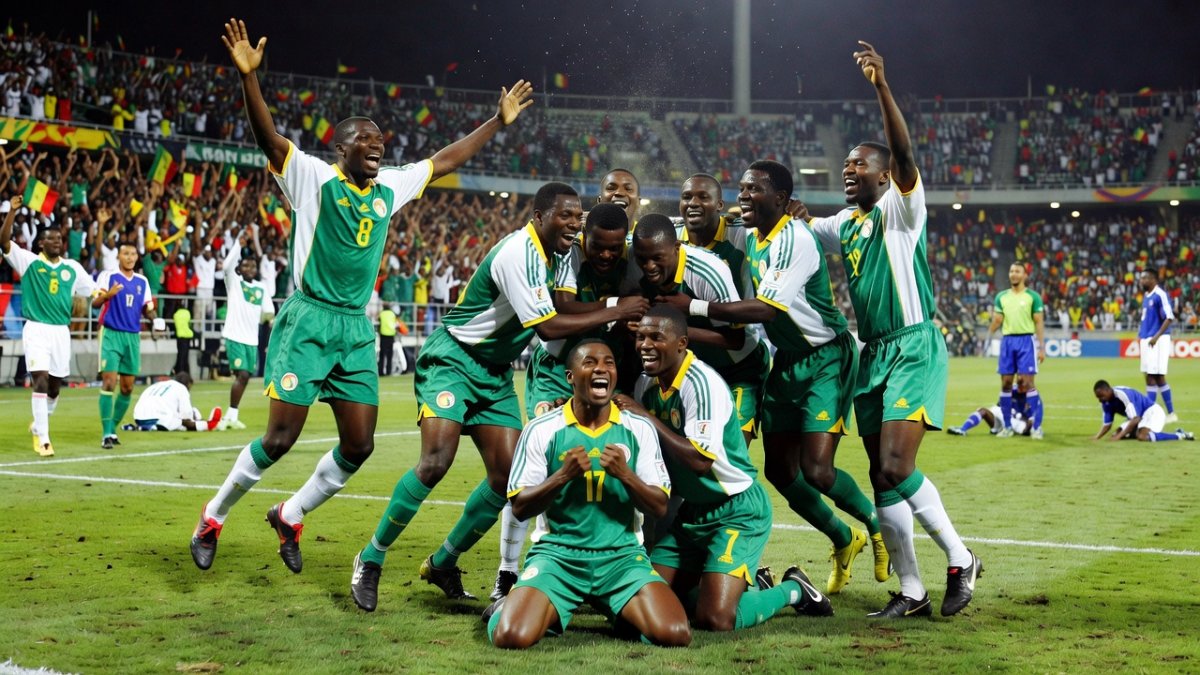
Senegal, ranked 42nd by FIFA, lined up against defending champions France on 31 May 2002 in Seoul. Papa Bouba Diop scored the only goal in a 1-0 victory while Zinedine Zidane sat injured on the bench. Bruno Metsu, the French coach who died in 2013, had drilled a side featuring El Hadji Diouf, Khalilou Fadiga, Salif Diao and Aliou Cissé. The result sent shockwaves through African dressing rooms from Johannesburg to Lagos.
That opening win propelled Senegal to the quarter-finals, where they fell 1-0 to Turkey on a golden goal. The 2002 squad proved that preparation and belief could topple established powers. For South African football, still rebuilding after the 2010 World Cup, the lesson remains sharp: results come from collective organisation rather than individual talent alone. Bafana Bafana's current group must absorb that same collective approach if they hope to advance from Group A.
The match also marked Senegal's first World Cup appearance, setting a benchmark for the nine African nations at the 2026 tournament. Nigeria, Morocco, Tunisia, Cameroon, Ghana, DR Congo and Cape Verde all trace part of their confidence to that Seoul afternoon. South Africa, absent from the finals since 2010, watches from the outside and sees what sustained investment in youth can achieve over two decades.
Coly's Path From Dakar Streets to European Pitches
Coly's father, a soldier and UN peacekeeper, died in 1980 when the boy was seven. His mother fell ill soon after, leaving Coly and his younger brother to be raised by others from the age of nine. Those early hardships forged the resilience that carried him through right-back roles at RC Lens in France, Birmingham City in England, and the Italian clubs Perugia and Parma. He retired in 2008 after a career built on consistency rather than flash.
The 2002 World Cup squad became a brotherhood. Coly lined up alongside El Hadji Diouf, Khalilou Fadiga, Salif Diao and Aliou Cissé under Metsu's guidance. Their shared experience of reaching the quarter-finals created a template for later generations. South African players emerging from the MultiChoice Diski Challenge league face similar tests of character, though without the same European pathway density that Senegal developed after 2002.
Coly's journey also highlights the personal cost behind national glory. The loss of his father at seven and subsequent family upheaval never left him. That background gave him perspective when Senegal stunned France, reminding every South African supporter that sporting success often rests on foundations laid in difficult childhoods across the continent.
Life After the Final Whistle in Saly Orchards
Since hanging up his boots in 2008, Coly has managed mango farms in Saly, applying the same daily discipline he learned at Lens and Parma. The 80-kilometre distance from Dakar keeps him close to family while creating employment in the Thiès region. His message to current players remains constant: enjoy the game without regrets but prepare a second career before the body gives out.
The BBC profiled him in 2018 and Al Jazeera visited the farm on 16 June 2026, capturing how agriculture replaced the structure of professional training. Coly speaks of crop cycles and market timing with the same precision he once used to time overlapping runs. South African football administrators at SAFA could study this model when designing post-career support for players leaving the Premier Soccer League.
Coly's farming success also feeds national pride. Senegal's 2021 AFCON triumph and four World Cup appearances rest partly on the example set by the 2002 generation. When young Senegalese see a former international thriving in Saly, they understand that football opens doors but does not define an entire life. Bafana Bafana supporters hope similar pathways emerge for their own retired internationals.
From 2002 Pioneers to AFCON Champions
Senegal's evolution under Aliou Cissé, the 2002 teammate now managing the side, produced the 2021 Africa Cup of Nations title. Captain Sadio Mané leads a squad featuring Kalidou Koulibaly, Iliman Ndiaye, Nicolas Jackson and Ismaila Sarr. This group enters the 2026 World Cup as experienced campaigners after appearances in 2018 and 2022. The continuity from Metsu's era to Cissé's tenure shows deliberate succession planning.
Four World Cup qualifications in 24 years stand in contrast to South Africa's single appearance since 2010. SAFA's governance challenges and inconsistent youth development have left Bafana Bafana rebuilding while Senegal maintains momentum. The academy structures that fed the 2002 squad have matured into a reliable pipeline, something South African football still seeks through expanded Diski and school programmes.
The 2021 AFCON victory gave the current generation their own defining moment. Mané's leadership and Cissé's tactical discipline turned potential into silverware. South African fans recognise the same ingredients missing from Bafana Bafana's recent campaigns and watch Senegal's sustained progress with a mixture of admiration and urgency for local reform.
Lessons South Africa Must Absorb From Senegal
Bafana Bafana's 2-0 loss to Mexico on 11 June 2026, complete with two red cards, exposed familiar organisational gaps. Senegal's model of long-term coach stability under Cissé and investment in European-based talent offers a clear comparison. SAFA must accelerate transformation at grassroots level if South Africa hopes to match the nine African nations competing in 2026.
The MultiChoice Diski Challenge provides a domestic platform, yet Senegal's export of players to top European leagues creates both revenue and experience. Coly's own path through Lens, Birmingham, Perugia and Parma illustrates the value of that exposure. South African administrators need to strengthen partnerships that send more young players abroad while building stronger local academies.
National pride and unity through sport remain powerful forces on both sides of the continent. When Senegal reached the 2002 quarter-finals, the entire African continent celebrated. Bafana Bafana's 2010 hosting experience showed the same unifying potential. Senegal's continued success proves that consistent governance and player development can turn one magical tournament into a lasting legacy.
The 24-Year Rematch at MetLife Stadium
On 16 June 2026, Senegal meets France again in Group I alongside Norway and Iraq. The MetLife Stadium fixture carries the weight of that 2002 result and the growth of African football since. Captain Sadio Mané and coach Aliou Cissé carry the responsibility of updating the story written by Coly, Diouf and Cissé themselves two decades earlier.
Coly watches from Saly, urging his former teammates' successors to play with the same freedom and foresight. Nine African teams participate in 2026, creating the largest representation yet. South Africa sits in Group A with Mexico, South Korea and Czechia, knowing that Senegal's example of planning beyond the pitch remains essential for long-term progress.
The rematch also tests whether Senegal can sustain the momentum built since 2002. France remains a powerhouse, yet the 1-0 victory in Seoul proved that rankings and reputations can be overturned. Bafana Bafana supporters will study every detail, hoping their own side can replicate even a fraction of that belief when they face South Korea next.
Group Stage Stakes and the Enduring 2002 Legacy
Senegal enters the 2026 group stage with the experience of three previous tournaments and an AFCON title. Bafana Bafana must secure points against South Korea after the Mexico defeat to keep qualification hopes alive. The contrast between Senegal's structured development and South Africa's recent struggles highlights the work still required at SAFA level.
Coly's message from the mango groves in Saly cuts across both nations. Players must give everything on the field while preparing for life beyond football. That dual focus turned a 2002 debut into sustained success for Senegal and offers South African football a blueprint for the next decade.
The nine African teams at this World Cup carry the collective memory of 31 May 2002. When Senegal steps onto the MetLife pitch, they honour the generation that first showed the continent could compete at the highest level. South African fans, watching from afar, understand that the same spirit, backed by better governance and planning, can return Bafana Bafana to future finals.
By Dante Williams, Staff Writer
This article was produced with AI-assisted research and editorial support. Reporting is based on sources cited in the article.
What's Your Reaction?
 Like
0
Like
0
 Dislike
0
Dislike
0
 Love
0
Love
0
 Funny
0
Funny
0
 Wow
0
Wow
0
 Sad
0
Sad
0
 Angry
0
Angry
0

Breaking News and Investigations Correspondent at Global1.News. Based in London, covering global breaking news, security, and investigative stories. Known for digging deeper and connecting the dots across continents.










Comments (0)