
Tensions Rise Over Alleged Oil Spills in the Gulf of Paria
The Shared Waters That Bind Two Nations The Gulf of Paria sits like a quiet backyard between Trinidad and Tobago and Venezuela, its calm waters hiding the heavy industry that keeps both economies moving. Petrotrin’s old platforms still dot the Trinidad side while Atlantic LNG’s terminals stand tall along the coast, turning natural gas into exports that reach far beyond the Cari
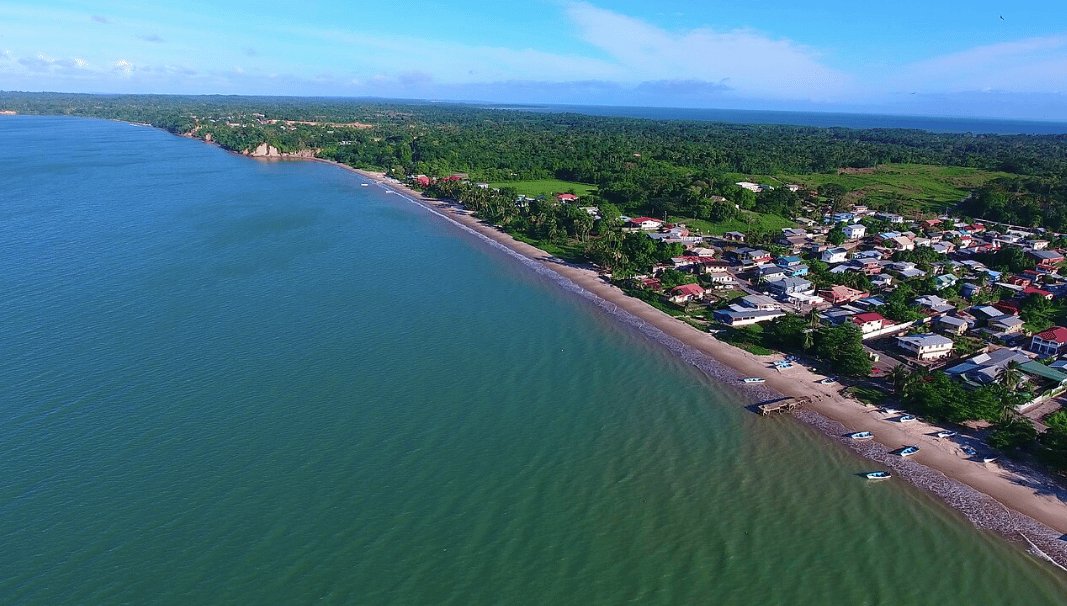
The Shared Waters That Bind Two Nations
The Gulf of Paria sits like a quiet backyard between Trinidad and Tobago and Venezuela, its calm waters hiding the heavy industry that keeps both economies moving. Petrotrin’s old platforms still dot the Trinidad side while Atlantic LNG’s terminals stand tall along the coast, turning natural gas into exports that reach far beyond the Caribbean. On the Venezuelan shore, similar energy facilities hum away, reminding everyone that what happens in these waters rarely stays local.
Fisherfolk from both countries have long treated the gulf as one fishing ground, swapping stories at sea about the best spots for red snapper or shrimp. That easy neighbourliness now carries extra weight because any spill or leak travels with the currents, touching livelihoods on both sides before officials even finish their first reports.
Because the gulf is narrow, a problem that begins on one shore can reach the other within hours. This simple geography forces the two nations to watch each other’s energy operations closely, even when diplomatic relations feel strained.
The Early May Spill and Swift Containment
Early in May a small release of roughly ten barrels was spotted near Trinidad’s installations. Coast Guard crews moved out at once, laying booms and skimming the surface before the slick could spread far. Officials described the incident as minor and said it was brought under control within hours, with no lasting damage reported to nearby mangroves or fishing grounds.
Local fishermen watched the response from their boats and later spoke of the quick arrival of the vessels as a relief. The Coast Guard’s routine patrols and equipment checks had clearly paid off, turning what could have been a larger headache into a contained event that barely interrupted daily routines along the coast.
Still, the spill served as a reminder that even small leaks require constant attention in such a busy stretch of water. Neighbouring communities took note and began asking for more frequent updates whenever similar incidents occur.
Late Last Month’s Diplomatic Note from Caracas
On 19 May Venezuela’s Foreign Minister Yvan Gil raised the matter formally, calling for compensation and pointing to possible risks facing 1,625 square kilometres of wetlands his government considers strategically important. The tone marked a clear shift from earlier, quieter exchanges between the two foreign ministries.
Trinidad and Tobago’s energy operators reviewed their logs again, confirming that the May spill had been modest and quickly contained. Yet the Venezuelan statement brought a new layer of scrutiny, linking the incident to wider environmental concerns that both countries share along the gulf’s shoreline.
Community groups on the Trinidad side began discussing how future responses might include joint monitoring teams so that concerns from either shore are addressed before they grow into larger disputes.
A Second Claim Emerges Without Clear Location
On 12 June Venezuela announced a larger spill, stating it originated from Trinidad and Tobago waters. No coordinates or detailed maps accompanied the announcement, leaving local authorities unsure where to focus attention. The lack of precise information made it difficult to verify the size or movement of any new slick.
Port of Spain officials immediately questioned the claim, noting that no fresh reports had come from their own patrols or from operators in the area. The absence of supporting details turned the announcement into an escalation rather than a straightforward environmental alert.
Fishermen and coastal residents waited for clearer guidance, aware that uncertainty can spread faster than oil itself when communities are left guessing about possible impacts on their daily catch.
Trinidad and Tobago’s Immediate Search Effort
The same day, Trinidad and Tobago sent Air Guard planes, Coast Guard vessels and drones to scan the gulf. Crews worked through the daylight hours while analysts studied satellite images for any sign of a fresh slick. At the same time, a formal request went to Caracas asking for exact coordinates so the search could be narrowed and resources used effectively.
Local volunteers along the southwest coast offered their small boats to help cover shallow areas the larger vessels could not reach. Their knowledge of hidden coves and shifting sandbanks proved useful as the teams tried to piece together a full picture despite the missing location data.
The coordinated push showed how seriously the incident was being treated, even while officials continued to dispute the scale and origin of the reported spill.
The 16 June Formal Demand and Current Standoff
Four days later Venezuela issued a more detailed diplomatic note repeating its call for information and compensation. Trinidad and Tobago’s government replied that it stood ready to investigate any verified spill but could not act fully without clearer evidence and coordinates.
The exchange has left both sides maintaining their positions while everyday maritime traffic continues. Shipping lanes remain open and fishing boats still head out at dawn, though conversations on the jetties now often turn to when the next official update might arrive.
Residents hope the two governments will soon find a practical way to share monitoring duties so that future incidents, large or small, can be checked quickly without lengthy diplomatic back-and-forth.
Looking Ahead for Energy and Cooperation
The recent exchanges highlight how closely linked the two nations remain through the gulf’s energy network. Reliable data sharing could turn these moments of tension into opportunities for joint patrols and shared early-warning systems that protect the same waters both countries depend on.
Operators on both sides already exchange some technical information on a routine basis. Expanding that habit to include environmental monitoring would give coastal communities greater confidence that spills will be spotted and addressed before they reach sensitive wetlands or fishing grounds.
In the end, the gulf’s narrow stretch of water continues to remind everyone that practical cooperation on safety and response serves the daily lives of families who fish, work and live along its shores, no matter which capital they call home.
By Sharon Sahatoo, Staff Writer.This article was produced with AI-assisted research and editorial support. Reporting is based on sources cited in the article.
What's Your Reaction?
 Like
0
Like
0
 Dislike
0
Dislike
0
 Love
0
Love
0
 Funny
0
Funny
0
 Wow
0
Wow
0
 Sad
0
Sad
0
 Angry
0
Angry
0

Caribbean Correspondent at Global1.News. Based in Port of Spain, Trinidad, covering Caribbean politics, economy, energy, climate, and culture. Amplifying the voices and stories of the Caribbean region.









Comments (0)