
Federal Judge Blocks SNAP Junk Food Restrictions in Major Blow to MAHA Agenda
Federal Judge Blocks SNAP Junk Food Restrictions in Major Blow to MAHA Agenda The Bombshell Ruling That Stopped MAHA Cold Listen up, because this one landed like a gut punch on a Tuesday afternoon. On June 22, 2026, U.S. District Judge Amy Berman Jackson dropped a 68-page ruling that slammed the brakes on the Trump administration's push to keep soda and candy out of SNAP carts
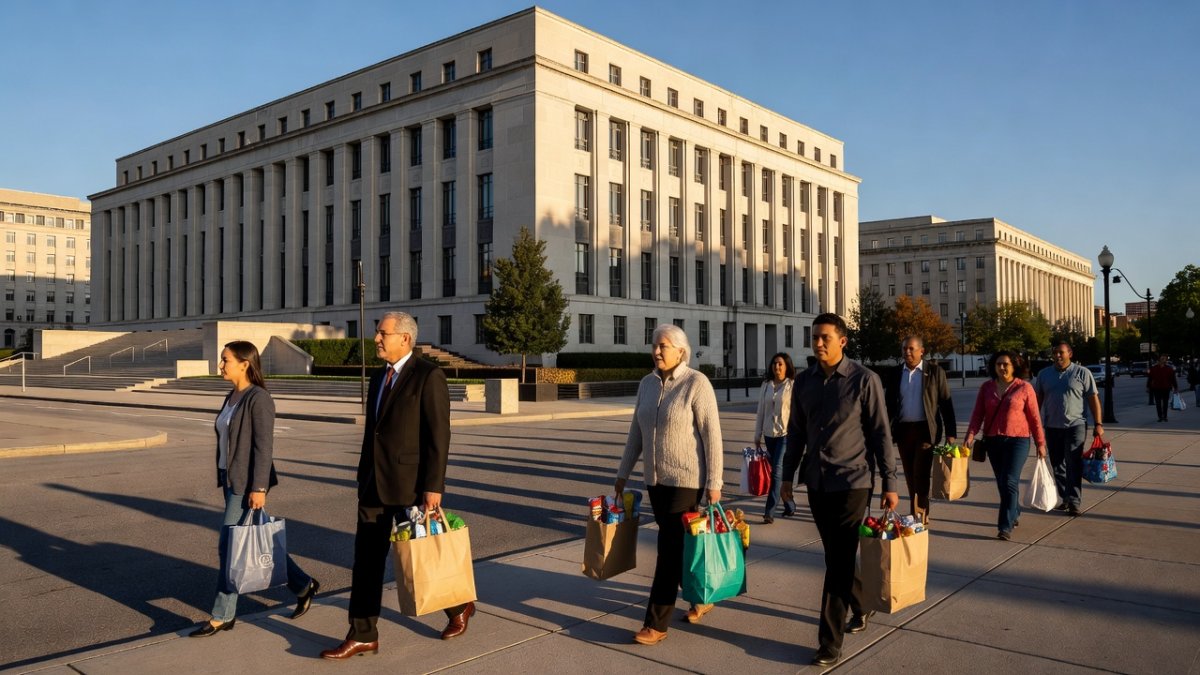
Federal Judge Blocks SNAP Junk Food Restrictions in Major Blow to MAHA Agenda
The Bombshell Ruling That Stopped MAHA Cold
Listen up, because this one landed like a gut punch on a Tuesday afternoon. On June 22, 2026, U.S. District Judge Amy Berman Jackson dropped a 68-page ruling that slammed the brakes on the Trump administration's push to keep soda and candy out of SNAP carts in multiple states. The decision hit right when the Make America Healthy Again crowd thought they had momentum locked in.
Instead of letting the restrictions roll forward, the judge hit pause across the board. SNAP recipients in those states can once again grab a Coke or a candy bar with their benefits without the feds breathing down their necks. This was not some minor tweak. It was a full stop on a signature piece of the second-term agenda.
The ruling did not mince words about who overstepped. It made clear that the people running the show at USDA tried to stretch their power past what Congress ever handed them. Regular folks watching their grocery bills just got a temporary reprieve from the latest nutrition lecture dressed up as policy.
Judge Jackson Calls Out the Overreach
Judge Amy Berman Jackson, an Obama appointee sitting in Washington, D.C., did not hold back in her opinion. She wrote that the statute Agriculture Secretary Brooke Rollins leaned on "does nothing of the sort" when it comes to authorizing bans on soda and candy. That line alone should be printed on a bumper sticker for every federal agency tempted to color outside the lines.
The court found the USDA violated the Administrative Procedure Act by trying to rewrite the rules without proper authority. Rollins and her team had argued the change fit neatly inside existing law, but the judge saw straight through it. She called the move exactly what it was: an attempt to do more than the statute allowed.
This was not about whether soda is good for you. Everyone knows the health angle. This was about whether one agency gets to play nutrition cop without Congress signing off first. The ruling reminded the administration that statutory authority is not a suggestion. It is the line they cannot cross without getting checked.
How We Got Here — The State-by-State Timeline
The rollout started fast and loud. Indiana, Iowa, Nebraska, Utah, and West Virginia flipped the switch on January 1, 2026. Idaho followed on February 15. Texas jumped in on April 1 with its own Senate Bill 379. By the time the lawsuit landed in March, eighteen states had either received waivers or were actively chasing them.
SNAP recipients in those places suddenly faced new limits at checkout. The idea was to steer benefits toward what the administration called "real food." Instead it created confusion at registers and long lines while cashiers tried to figure out which items now counted as junk.
The legal aid groups representing recipients moved quickly once the pattern became obvious. They filed in federal court arguing the whole scheme rested on shaky legal ground. The timeline shows how aggressively the states moved once they got the green light from Washington. It also shows how fast the courts can hit the brakes when the foundation does not hold up.
The MAHA Agenda Takes a Direct Hit
This ruling is not just a paperwork problem for the Make America Healthy Again team. It is a direct shot at the core promise that Robert F. Kennedy Jr. and Brooke Rollins sold as their big second-term win. The goal was to cut chronic disease by changing what low-income families could buy with federal benefits.
Rollins had defended the restrictions as common sense, saying SNAP should promote nutrition instead of subsidizing the stuff that drives up health costs later. That argument sounded reasonable on cable news. The judge decided it still needed actual legal backing, which the administration could not produce.
MAHA was supposed to be the policy that proved the administration could deliver results beyond rhetoric. One 68-page opinion just reminded everyone that good intentions do not equal statutory power. The setback is real, and it lands at a moment when the administration wanted momentum, not court orders forcing them back to square one.
What This Means for 42 Million Americans
42 million low-income Americans rely on SNAP to fill their carts. The ruling immediately puts soda and candy back on the approved list in the affected states. That is not a small detail when you are stretching benefits across a month and trying to keep kids fed without constant lectures at the register.
The change restores choice, plain and simple. Families no longer have to navigate a patchwork of state rules that decided some calories were acceptable and others were not. For households already counting every dollar, the ability to decide what goes in the cart matters more than another federal nutrition campaign.
Critics will say this keeps junk food flowing. Supporters of the ruling will say it keeps the government from deciding what poor people are allowed to enjoy. Either way, the practical effect is immediate: the restrictions are paused, and the status quo returns until higher courts weigh in.
The Politics of What's in Your Shopping Cart
Food policy always turns into a political football once benefits are involved. The MAHA push framed restrictions as protecting people from themselves. The lawsuit framed them as overreach that punished the poor while ignoring bigger drivers of diet-related illness. Both sides had their talking points ready before the ink dried on the ruling.
What the court actually decided was narrower. It was not a referendum on whether candy is healthy. It was a ruling that the executive branch cannot invent new limits without Congress writing them into law first. That distinction matters when the next administration tries its own version of the same idea.
Shoppers are not looking for lectures when they swipe their EBT card. They are looking for enough food to last until the next deposit. The politics will keep raging, but the ruling just reminded everyone that the grocery aisle is not the place for agencies to test the limits of their power.
What Happens Next — Appeals and the Road Ahead
The Trump administration is not likely to let this stand without a fight. Appeals are already expected, and the case could climb the ladder toward higher courts. Each step will test how much deference judges are willing to give agencies that want to reshape major benefit programs through guidance rather than legislation.
Meanwhile, the eighteen states that moved forward on waivers are back to square one on enforcement. Some may try workarounds at the state level, but the federal ruling blocks the core mechanism they were counting on. Recipients in those states get breathing room while the lawyers argue.
The road ahead is long. SNAP rules have survived plenty of court challenges before. This one will probably join the list of cases that define how far the executive branch can go when it wants to change what 42 million people can buy with public dollars.
The Bottom Line for Taxpayers
Taxpayers fund SNAP to the tune of tens of billions every year. The debate over what those dollars should buy is legitimate. The question is whether one agency gets to settle that debate by administrative fiat or whether Congress has to do the work.
Judge Jackson's ruling did not end the conversation about nutrition and chronic disease. It simply said the current attempt to restrict purchases crossed a legal line. That forces the policy debate back into the open where voters and lawmakers can see it instead of hiding it inside USDA guidance documents.
At the end of the day, the ruling restores the old rules while the fight continues. For now, the soda and candy stay on the shelf for SNAP users in the affected states. The MAHA agenda just learned that good intentions still need legal grounding before they become nationwide policy.
By Jessica Ali, Global 1 NewsThis article was produced with AI-assisted research and editorial support. Reporting is based on sources cited in the article.
What's Your Reaction?
 Like
0
Like
0
 Dislike
0
Dislike
0
 Love
0
Love
0
 Funny
0
Funny
0
 Wow
0
Wow
0
 Sad
0
Sad
0
 Angry
0
Angry
0

Editor-in-Chief at Global1.News. Atlanta-based journalist who cuts through the BS and tells it like it is. Lead anchor, host, and the voice you hear when the spin stops and the truth starts.











Comments (0)