
Netanyahu Defies ICC Warrants, Vows to Attend UNGA Despite Arrest Threats
Netanyahu vows to attend UNGA despite ICC warrants for war crimes including starvation tactics in Gaza. NYC Mayor Mamdani condemns him as unwelcome; Trump shields him from arrest. Analysis covers Rome Statute charges, enforcement gaps, and Palestinian human rights perspective.
Occupied Jerusalem —
Netanyahu Defies ICC Warrants, Vows to Attend UNGA Despite Arrest Threats
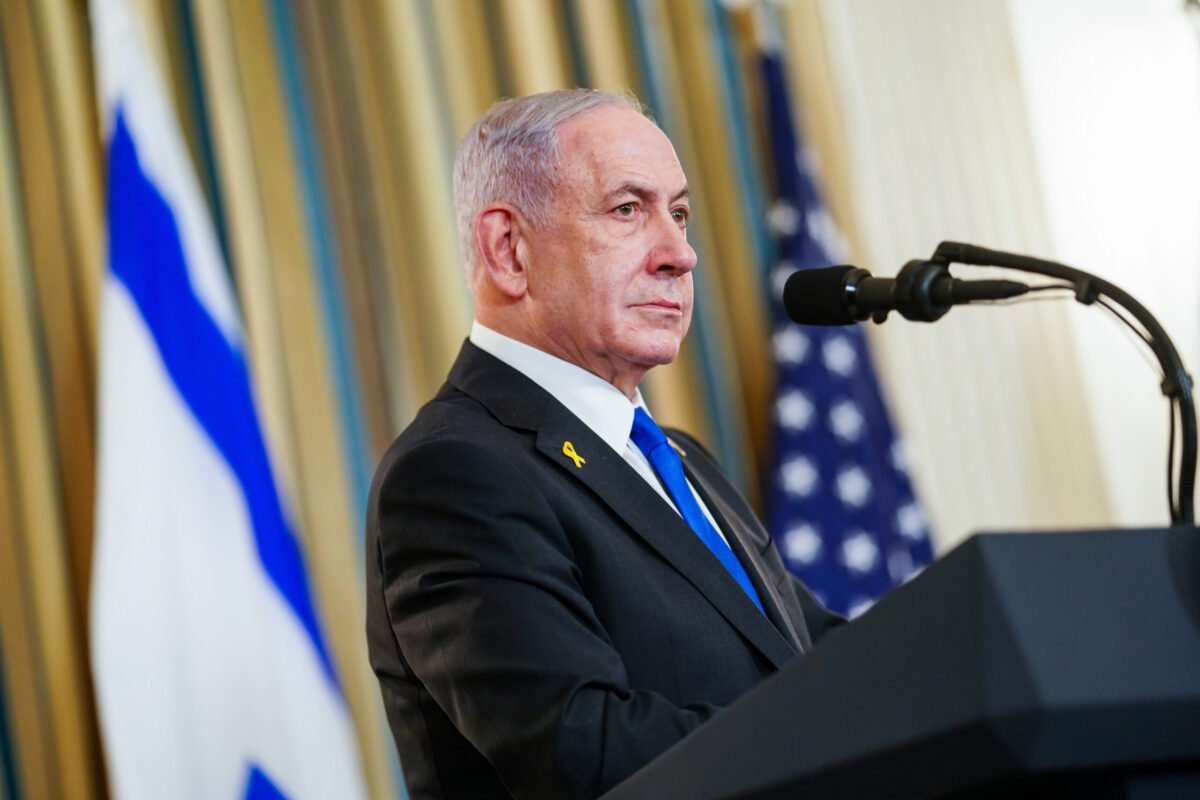
In the shadow of relentless devastation across Gaza, Israeli Prime Minister Benjamin Netanyahu's defiant pledge to attend the UN General Assembly despite ICC arrest warrants exposes the painful gap between international justice rhetoric and political reality. Palestinian families, still reeling from mass displacement and loss, watch as power shields leaders from accountability while civilian suffering mounts. This moment demands renewed focus on mechanisms that truly center human rights and dignity for the oppressed.
Netanyahu Vows to Attend UN General Assembly Amid Arrest Calls
Israeli Prime Minister Benjamin Netanyahu announced on Sunday that he will travel to New York in September for the United Nations General Assembly, brushing aside demands for his arrest. He dismissed warnings from New York City Mayor Zohran Mamdani, who labeled him a war criminal and declared him unwelcome in the city. Netanyahu's decision underscores his determination to project strength on the international stage despite mounting legal pressures.
ICC Arrest Warrants: Legal Basis and Charges
The International Criminal Court issued arrest warrants in November 2024 for Netanyahu and former Defense Minister Yoav Gallant. The warrants cite reasonable grounds to believe both men bear responsibility for war crimes and crimes against humanity committed during Israel's military operations in Gaza. These include the use of starvation as a method of warfare, attacks on civilians, and other grave violations of international humanitarian law. Israel has consistently rejected the ICC's jurisdiction and authority over its actions.
The ICC's charges against Israeli leaders center on Rome Statute Article 8(2)(b)(xxv), which criminalizes the intentional use of starvation as a method of warfare by depriving civilians of objects indispensable to survival. Prosecutors allege systematic restrictions on food, water, and medical supplies into Gaza, supported by internal Israeli documents, satellite imagery of destroyed agricultural infrastructure, and witness statements documenting famine conditions. Additional counts include directing attacks against civilian populations under Article 8(2)(b)(i), citing patterns of strikes on hospitals, schools, and refugee camps where civilian harm allegedly outweighed military advantage.
The investigation opened in 2021 following referrals from Palestine and other states, with evidence collection accelerating after October 2023 through open-source intelligence, forensic analysis of munitions, and cooperation with UN agencies. The Pre-Trial Chamber applies a "reasonable grounds" standard for arrest warrants, lower than trial proof but requiring concrete evidence of individual criminal responsibility rather than mere command responsibility.
Israel rejects jurisdiction, arguing it is not a Rome Statute party and that any probe violates complementarity principles since its own military justice system investigates incidents. Comparisons to warrants for Vladimir Putin over Ukrainian deportations and Omar al-Bashir for Darfur genocide highlight how the ICC targets non-members when political will aligns, yet enforcement remains inconsistent.
Mayor Mamdani's Stance and Political Significance
Mayor Zohran Mamdani's public condemnation marks a notable intervention by a major U.S. city official. By calling Netanyahu a war criminal and stating he is not welcome, Mamdani amplifies local voices questioning U.S. support for Israel's Gaza policies. His position reflects growing domestic unease over the humanitarian toll and challenges the traditional deference shown to Israeli leaders visiting American cities.
Zohran Mamdani, a progressive Democratic mayor of New York City elected on a platform emphasizing housing justice and anti-militarism, has long criticized U.S. support for Israeli policies in Gaza. His background as a Ugandan-born son of academics and former state assembly member positions him within the Democratic Socialists of America wing, where foreign policy critiques of arms sales and occupation feature prominently in public statements.
Mamdani previously called for conditioning U.S. aid on compliance with international humanitarian law and endorsed BDS-related divestment measures at the municipal level. Under U.S. law, ICC warrants lack direct enforceability domestically due to non-ratification of the Rome Statute and the American Service-Members' Protection Act, limiting any local role in arrests.
New York City's authority over foreign dignitaries is constrained by federal diplomatic immunity protocols, preventing municipal interference with visiting leaders. Reactions have split along partisan lines, with progressive coalitions praising his consistency on human rights while pro-Israel groups and some Jewish organizations decry the stance as inflammatory.
Trump's Intervention and US Position on ICC
U.S. President Donald Trump has pledged that Netanyahu will not face arrest during his visit to the United States. This stance aligns with longstanding U.S. policy of non-cooperation with the ICC regarding Israel. Trump's assurance effectively shields Netanyahu from enforcement of the warrants on American soil, highlighting the limits of international legal mechanisms when major powers withhold support.
Implications for International Justice and Accountability
Netanyahu's planned attendance despite the ICC warrants raises serious questions about the enforceability of international justice. When powerful states refuse to honor court orders, the credibility of institutions meant to deter atrocities suffers. Victims and advocates fear this episode will further erode trust in mechanisms designed to hold leaders accountable for actions that cause widespread civilian suffering.
Historical cases illustrate enforcement challenges: Omar al-Bashir evaded arrest for years despite warrants by limiting travel to non-member states, while Vladimir Putin continues operating within Russia's sphere despite ICC actions. With 124 member states obligated to cooperate, travel to Europe or Latin America risks detention, yet powerful non-members like the United States, China, and Russia shield allies through bilateral agreements.
If Netanyahu visits an ICC state party, authorities face legal duties to execute warrants, though political calculations often prevail as seen in past African Union resistance. This dynamic exposes a broader crisis of confidence, where selective prosecutions fuel accusations of Western bias and undermine universal jurisdiction claims.
Palestinian strategies increasingly leverage the UN General Assembly, ICJ advisory opinions, and ICC referrals to build cumulative pressure. Sustained warrants could catalyze domestic accountability mechanisms in Israel or accelerate hybrid tribunals, yet persistent non-cooperation risks relegating the ICC to symbolic status without reforms addressing enforcement gaps.
Palestinian Perspective: Impact on Gaza Victims
For families in Gaza who have endured relentless bombardment, displacement, and loss, Netanyahu's defiance sends a painful message. Many Palestinians see the UN visit as another instance where political power overrides the pursuit of justice for destroyed homes, lost loved ones, and collective trauma. The absence of accountability deepens the sense that Palestinian lives are treated as expendable in the eyes of the international community.
Gaza's humanitarian crisis includes over 40,000 reported deaths, widespread displacement of nearly the entire population, and destruction of 70 percent of housing and health infrastructure according to UN assessments. Survivors face chronic shortages of clean water and medical care, compounding long-term public health threats from unexploded ordnance and environmental contamination.
Palestinian human rights groups such as Al-Haq and the Palestinian Centre for Human Rights have documented specific incidents of aid blockages and civilian targeting, submitting detailed dossiers to the ICC that include victim testimonies and geospatial evidence. These organizations emphasize how legal processes intersect with daily realities of siege and bombardment.
Psychological trauma manifests in elevated rates of PTSD, anxiety disorders, and intergenerational effects among children who have endured repeated displacements and loss. Legal teams build cases through meticulous collection of chain-of-command evidence and patterns of policy implementation.
Yet a profound disconnect persists between protracted ICC timelines and immediate survival needs like food distribution and ceasefires. While warrants validate Palestinian narratives of accountability, tangible relief requires parallel diplomatic and humanitarian interventions beyond courtroom victories.
Analysis: Netanyahu's History of Evading Accountability
Throughout his long political career, Netanyahu has repeatedly navigated legal and diplomatic challenges without facing meaningful consequences. From earlier corruption investigations to international criticism over settlement expansion and military operations, he has consistently framed external scrutiny as biased or illegitimate. This latest episode fits a pattern of prioritizing political survival over engagement with accountability processes, leaving unresolved questions about justice for affected populations.
By Fatima Al-Rashid, Staff Writer
This article was produced with AI-assisted research and editorial support. Reporting is based on sources cited in the article.
What's Your Reaction?
 Like
0
Like
0
 Dislike
0
Dislike
0
 Love
0
Love
0
 Funny
0
Funny
0
 Wow
0
Wow
0
 Sad
0
Sad
0
 Angry
0
Angry
0
Gulf/MENA Correspondent at Global1.News. Based in Doha, covering Gulf politics, energy markets, diplomacy, and development across the Middle East and North Africa. Tracks the economic transformation of the Gulf states.









Comments (0)