
El Niño Begins: Extreme Weather Threat in Latin America
El Niño Conditions Have Begun in the Tropical Pacific The US National Oceanic and Atmospheric Administration has declared that El Niño conditions are now under way in the tropical Pacific. Sea surface temperatures have risen sharply in recent months and have passed the 0.5C-above-average threshold that defines an El Niño event. This natural Pacific weather pattern is riding on
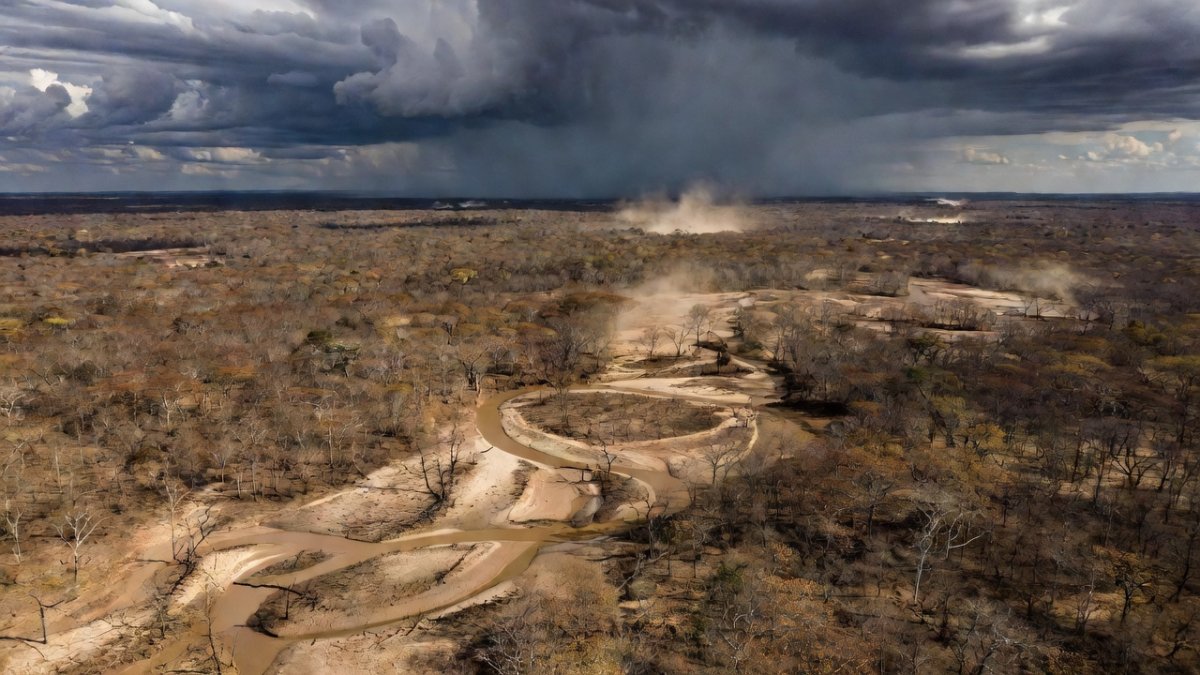
El Niño Conditions Have Begun in the Tropical Pacific
The US National Oceanic and Atmospheric Administration has declared that El Niño conditions are now under way in the tropical Pacific. Sea surface temperatures have risen sharply in recent months and have passed the 0.5C-above-average threshold that defines an El Niño event. This natural Pacific weather pattern is riding on top of decades of human-caused warming and is expected to bring further disruption to weather patterns across the Americas.
NOAA scientists confirm the event is already influencing ocean temperatures in the central and eastern Pacific. Forecasts indicate a 63 percent chance of a very strong El Niño during November to January that could rank among the largest events since 1950. The three strongest on record occurred in 1982/83, 1997/98 and 2015/16.
Models Point to Significant Ocean Warming by Year End
Some of the latest US and European models show temperatures in the tropical Pacific potentially climbing more than 3C above average by the end of the year. A very strong El Niño typically lifts global air temperatures by around 0.2C. The year 2024, already the warmest on record, received a boost from an El Niño that was not especially strong, while 2025 still ranked as the third warmest.
Prof Adam Scaife from the UK Met Office stated that the current El Niño is riding on top of a substantial amount of global warming. This means actual temperatures in affected regions could well be unprecedented. The combination of natural variability and long-term warming leaves little room for complacency in vulnerable regions.
Drought and Fire Risks Rise Across Northern South America
El Niño brings elevated drought and wildfire risk across much of northern South America. This directly threatens the Amazon Basin, where reduced rainfall can lower river levels and stress ecosystems already under pressure from deforestation. In Brazil, the northeast faces heightened water shortages that affect both urban centers and rural communities.
The Pantanal wetlands, one of the world's largest tropical wetland areas, become more vulnerable to intense fire seasons during strong El Niño periods. Brazilian agencies such as IBAMA and ICMBio monitor these risks closely, yet the scale of potential burning can overwhelm local response capacity. Indigenous communities in the Amazon Basin near Manaus and Belém often bear the first impacts through disrupted fishing and agriculture.
Consequences for Brazilian Agriculture and Food Supplies
Brazilian agriculture faces direct threats from shifting rainfall patterns. The Cerrado region, a major producer of soy and other crops, can experience prolonged dry spells that reduce yields. Northeast Brazil, already prone to drought, may see further strain on reservoirs that supply cities such as São Paulo and smaller farming communities.
Lower Amazon River levels disrupt transportation of goods and access to remote areas, raising costs for producers and consumers alike. These disruptions compound existing challenges from land-use change and can push food prices higher across Latin America. The event is expected to affect supplies well into the following year.
Broader Regional Weather Shifts and Atlantic Hurricane Suppression
El Niño tends to suppress Atlantic hurricane activity, which often reduces rainfall in parts of Central America and the Caribbean. At the same time, flooding remains common in northern Peru and southern Ecuador. These contrasting patterns create a complex risk landscape for governments and farmers across the continent.
Liz Stephens, professor of climate risk and resilience at the University of Reading, has emphasized that such events require coordinated preparedness. The combination of drought in the north and potential flooding farther south tests infrastructure and emergency systems throughout Latin America.
Urgent Need for Regional Resilience Measures
Strong El Niño events have historically delivered failed rains, dying crops and rising food prices that push families to the edge. In Brazil, this means renewed pressure on water management in the northeast and heightened fire monitoring in the Pantanal and Amazon. Authorities must act now to protect the most exposed populations.
Concrete steps include strengthening early-warning systems, supporting Indigenous land management practices, and investing in drought-resistant agriculture. The current event serves as a clear signal that climate resilience cannot wait. By Elena Vasquez, Staff Writer
This article was produced with AI-assisted research and editorial support. Reporting is based on sources cited in the article.
What's Your Reaction?
 Like
0
Like
0
 Dislike
0
Dislike
0
 Love
0
Love
0
 Funny
0
Funny
0
 Wow
0
Wow
0
 Sad
0
Sad
0
 Angry
0
Angry
0

Latin America Correspondent at Global1.News. Based in Mexico City, covering politics, economics, energy, and culture across the region. Brings an on-the-ground perspective to stories spanning from the Rio Grande to Patagonia.















Comments (0)