
Dominion vs. Fox: The 2023 Trial That Marked a Turning Point in Media Accountability
A Media Giant Faces Its Day in Court Three years ago this month, the walls finally closed in on Fox News. In late April 2023, as jury selection wrapped in Wilmington, Delaware, it became clear that the network's usual playbook of deflection and outrage would not shield it from a $1.6 billion defamation lawsuit brought by Dominion Voting Systems. The case stood as a rare moment
A Media Giant Faces Its Day in Court
Three years ago this month, the walls finally closed in on Fox News. In late April 2023, as jury selection wrapped in Wilmington, Delaware, it became clear that the network's usual playbook of deflection and outrage would not shield it from a $1.6 billion defamation lawsuit brought by Dominion Voting Systems. The case stood as a rare moment when a media empire built on repeated falsehoods had to answer in a setting where facts could not be twisted on air.
I had covered the network long enough to know its pattern. After the 2020 election, hosts amplified claims about voting machines that Dominion proved false in court filings. Yet the network sailed through earlier storms. This time the venue was different: Courtroom 7E, where deception carried real consequences.
The Origins of Dominion's Massive Lawsuit
Dominion filed its $1.6 billion suit in 2021, alleging Fox knowingly broadcast false claims that its machines rigged the presidential election. Pre-trial evidence included internal messages showing hosts and executives privately doubting those claims while airing them anyway. The lawsuit targeted not fringe segments but the core of prime-time programming that reached millions nightly.
By the time the case reached Delaware, Fox had already lost multiple attempts to dismiss it. The evidence trail was extensive, drawn from the network's own emails and texts. This was not a dispute over opinion; it centered on whether the network crossed into knowing falsehoods about a private company's product.
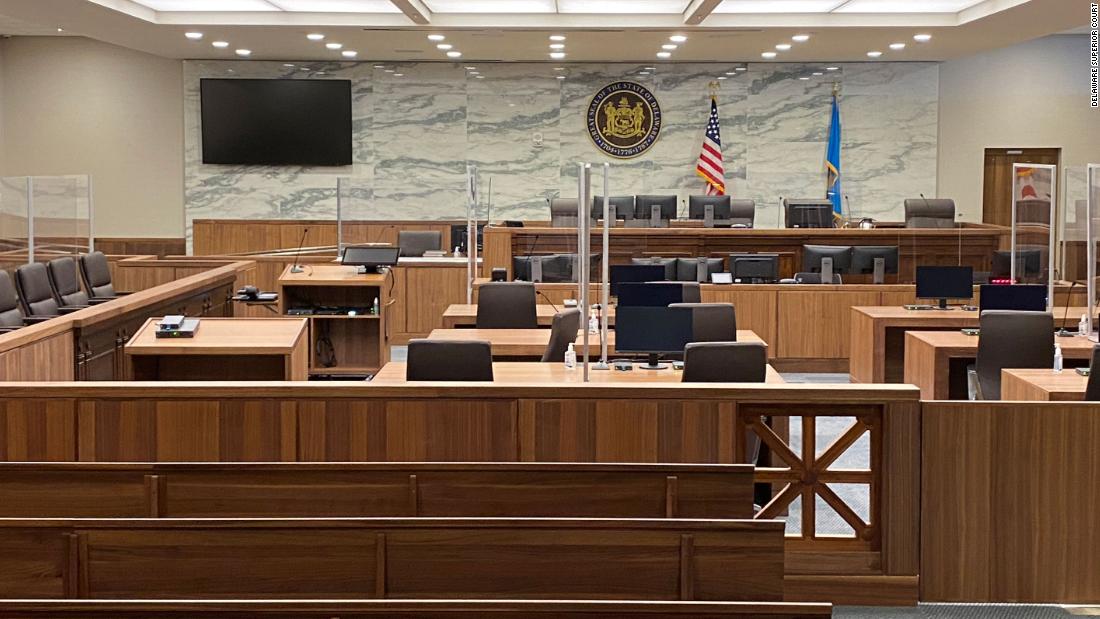
Drama Unfolds in Wilmington's Courtroom 7E
Jury selection consumed an entire Thursday in April 2023, with 300 potential jurors summoned. The presiding judge noted sufficient candidates to begin trial the following Monday. Fox arrived with its high-powered legal team, yet early hearings revealed the judge's growing impatience with delays and arguments that skirted the evidence.
The setting stripped away the network's home-field advantage. No on-air monologues could reframe the proceedings. Requests for comment could not be ignored in favor of attacking other outlets. The courtroom demanded direct responses, and the judge made clear that standard tactics would not fly.
The Power Players Under Scrutiny
Rupert Murdoch, Suzanne Scott, Tucker Carlson, and Sean Hannity stood at the center of the case. Internal documents referenced their communications during the post-election period. The lawsuit forced examination of how decisions were made at the highest levels when false claims about Dominion gained traction on air.
These figures had long operated with significant latitude. The trial threatened to expose the gap between private doubts and public broadcasts. Carlson and Hannity, in particular, faced questions about segments that repeated unproven allegations despite contrary information available to them.
Why Fox Couldn't Spin Its Way Out This Time
Fox had weathered controversies before by attacking critics and doubling down. That approach failed here because the rules belonged to the court, not the network. The judge's early warnings signaled that patience for evasive arguments had run out. Pre-trial rulings already limited the defense's ability to pivot away from the core evidence.
The difference lay in the venue. In a courtroom, claims had to be supported or conceded. Executives and hosts could not simply cut to commercial or launch into another segment. This constraint exposed the limits of a business model built on narrative control rather than verifiable reporting.
The Lasting Impact on Media Accountability
The Dominion case set a precedent that other outlets could not ignore. It demonstrated that private companies harmed by repeated false claims on major networks had viable paths to accountability through civil litigation. While the trial itself settled before a verdict, the public record of internal communications remains a benchmark for future cases.
Three years later, the proceedings stand as a reminder that even the most entrenched media operations can face consequences when evidence of knowing falsehoods surfaces in court. The lesson was not that one network changed overnight, but that the cost of certain practices had risen. For viewers who watched years of unchecked claims, the Delaware courtroom offered proof that facts can still matter when the right forum demands them.
By Jessica Ali, Staff WriterThis article was produced with AI-assisted research and editorial support. Reporting is based on sources cited in the article.
What's Your Reaction?
 Like
0
Like
0
 Dislike
0
Dislike
0
 Love
0
Love
0
 Funny
0
Funny
0
 Wow
0
Wow
0
 Sad
0
Sad
0
 Angry
0
Angry
0

Editor-in-Chief at Global1.News. Atlanta-based journalist who cuts through the BS and tells it like it is. Lead anchor, host, and the voice you hear when the spin stops and the truth starts.














Comments (0)