
The Dominion Settlement: How Fox News Dodged a Full Reckoning in 2023
The Dominion Settlement: How Fox News Dodged a Full Reckoning in 2023 The Case That Almost Went to Trial The Dominion Voting Systems defamation lawsuit against Fox News reached its most dramatic point in April 2023 when jury selection began in Wilmington, Delaware. The $1.6 billion claim centered on false claims that Dominion's machines rigged the 2020 election, statements aire
The Case That Almost Went to Trial
The Dominion Voting Systems defamation lawsuit against Fox News reached its most dramatic point in April 2023 when jury selection began in Wilmington, Delaware. The $1.6 billion claim centered on false claims that Dominion's machines rigged the 2020 election, statements aired repeatedly on Fox programs despite internal doubts at the network. By the time potential jurors gathered, the legal pressure had already forced Fox to confront evidence of its own hosts questioning the stolen-election narrative in private while promoting it publicly. The trial never reached opening arguments, but the pretrial record exposed how far the network went to retain viewers after the election.
Jury Selection Marked the Final Countdown
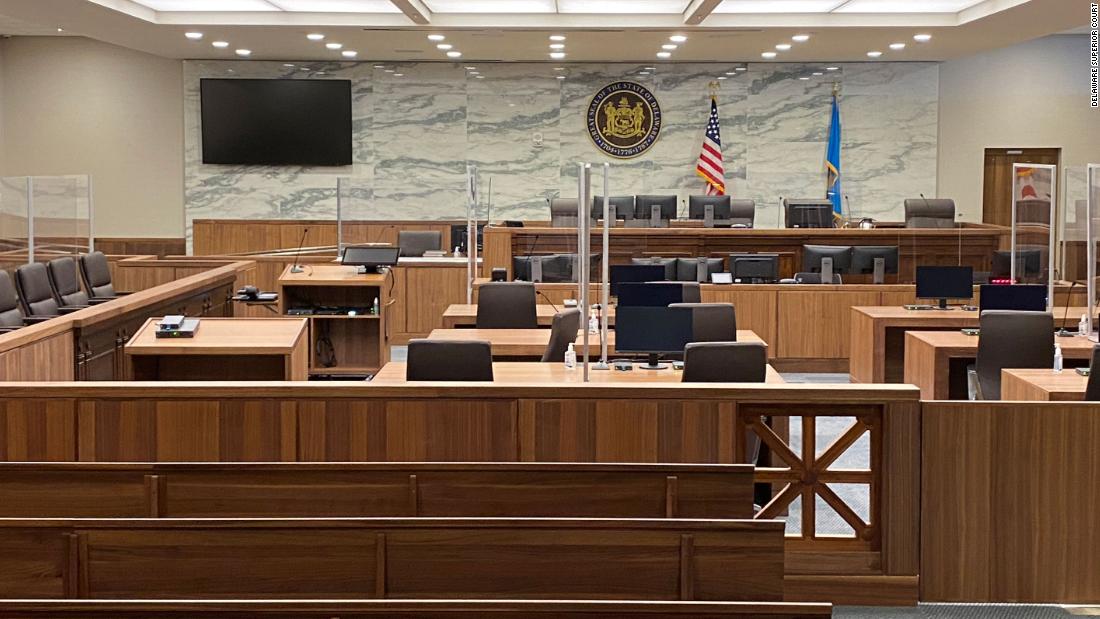
On the day before the scheduled start, hundreds of Delaware residents reported for jury duty in Courtroom 7E. The presiding judge confirmed enough qualified panelists existed to begin proceedings the following Monday. Fox executives and their legal team arrived prepared for what would have been weeks of testimony from their own on-air talent and top management. That process halted abruptly when settlement talks produced a $787.5 million agreement on April 18. Dominion received the largest defamation payout in recent U.S. media history, while Fox avoided a public verdict that could have required an admission of liability.
What the Settlement Delivered for Each Side
Dominion walked away with substantial financial compensation and a public acknowledgment that Fox had aired false statements about its voting machines. The company did not secure the full $1.6 billion it sought, yet the payout exceeded most expectations and sent a clear signal to other media outlets. Fox preserved its ability to deny wrongdoing in formal statements and avoided further discovery that might have revealed additional internal communications. The network also escaped the risk of punitive damages that could have followed a jury finding of actual malice. Both parties claimed victory in their respective press releases, but the outcome left lingering questions about whether full accountability had been achieved.
Internal Documents Changed the Narrative
Discovery in the case produced emails and text messages showing Fox hosts and producers privately dismissing election-fraud claims even as those same claims dominated prime-time coverage. The gap between what the network knew and what it broadcast formed the core of Dominion's argument. Those records remain part of the public docket despite the settlement, offering a rare window into how commercial incentives can override editorial standards. The documents did not disappear with the payment; they continue to serve as reference points for future litigation involving media defendants.
Media Accountability After the Check Cleared
The $787.5 million transfer forced newsrooms across the industry to reassess the cost of repeating unverified claims from political figures. Corporate legal teams now cite the Dominion record when advising clients on election-related coverage. Yet the absence of a trial verdict meant no binding judicial finding of defamation, allowing some commentators to argue that the settlement represented a business decision rather than an admission of fault. The case demonstrated that large defamation suits can extract real money, but it also showed how pretrial leverage often ends disputes before juries render judgment. True accountability, in this instance, arrived through financial pressure rather than a formal declaration of wrongdoing.
Lessons That Still Apply
Viewers should remember that settlements resolve legal exposure without necessarily resolving the underlying factual disputes in the court of public opinion. The Dominion matter proved that internal skepticism at a network can become decisive evidence when lawsuits reach discovery. It also illustrated the limits of financial penalties alone; structural changes in how outlets handle election claims have been uneven since 2023. Readers who followed the pretrial revelations gained a clearer picture of how ratings considerations can distort coverage, and that picture remains available for anyone willing to examine the unsealed filings. The episode stands as a reminder that aggressive fact-checking and skepticism toward unproven claims protect both journalism and democracy more effectively than damage-control payments after the fact. By Jessica Ali, Staff Writer
This article was produced with AI-assisted research and editorial support. Reporting is based on sources cited in the article.
What's Your Reaction?
 Like
0
Like
0
 Dislike
0
Dislike
0
 Love
0
Love
0
 Funny
0
Funny
0
 Wow
0
Wow
0
 Sad
0
Sad
0
 Angry
0
Angry
0

Editor-in-Chief at Global1.News. Atlanta-based journalist who cuts through the BS and tells it like it is. Lead anchor, host, and the voice you hear when the spin stops and the truth starts.















Comments (0)