
Cuba on the Brink: Fuel Shortages and Blackouts Deepen as Mexico Upholds Ties with Havana
In recent days families across Mexico have watched with heavy hearts as reports from DW News describe Cuba facing its worst crisis in decades. The video report "Cuba on the brink: The end of a revolution?" details how massive fuel shortages, rolling blackouts, and water scarcity are testing the resilience of millions on the island, while tensions with the United States continue
In recent days families across Mexico have watched with heavy hearts as reports from DW News describe Cuba facing its worst crisis in decades. The video report "Cuba on the brink: The end of a revolution?" details how massive fuel shortages, rolling blackouts, and water scarcity are testing the resilience of millions on the island, while tensions with the United States continue to rise.
Cuba on the Brink: Fuel Shortages and Blackouts Deepen as Mexico Upholds Ties with Havana
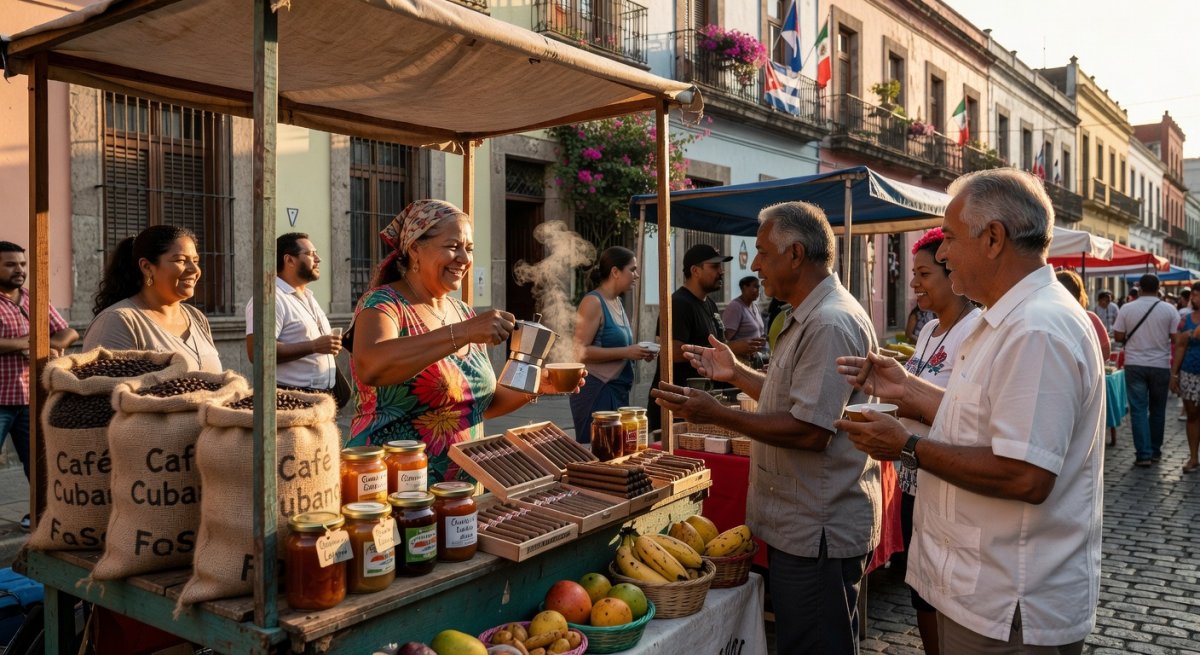
Mexico City, Mexico — Across kitchen tables in Mexico City, Cancún and Mérida, families with roots on both sides of the sea are sharing stories this week about loved ones feeling the strain of fuel shortages and rolling blackouts now gripping Cuba. These challenges arrive as oil imports drop under tightening sanctions, leaving communities searching for ways to keep lights on and water flowing. Mexico's long-standing bond with Cuba, rooted in decades of diplomatic ties since 1959, reminds us that our shared history calls for understanding rather than distance.

Understanding the Daily Realities of Shortages
Communities in Cuba are navigating massive fuel shortages that disrupt transportation and daily routines, much like moments when Mexican families have faced supply disruptions in the past. Rolling blackouts have become part of the rhythm of life, forcing people to adapt with candles and shared generators. Water shortages are worsening across the island, adding another layer of worry for parents trying to care for children and elders. These humanitarian pressures test the resilience of ordinary citizens who, like us, simply want stability for their households.
The economic downfall appears to be accelerating, with comparisons sometimes drawn to challenges seen elsewhere in the region such as Venezuela's crisis. Yet through it all, Cuba's political system shows signs of endurance even as questions arise about whether the country stands on the brink of deeper change. Mexican families connected to the island through remittances from diaspora communities in Cancún and Mérida know how these pressures ripple across borders.
Mexico's Enduring Approach of Friendship and Non-Intervention
Guided by the Estrada Doctrine of non-intervention, Mexico has maintained diplomatic relations with Cuba since 1959 and consistently voices opposition to the US embargo at the United Nations. This week the SRE continues to advocate for dialogue, reflecting the same steady friendship upheld during the AMLO administration and now carried forward under the Sheinbaum administration. Such consistency offers a model of respectful engagement that resonates with Mexican values of community and hospitality.
Significant Cuban diaspora populations in Mexico City, Cancún and Mérida keep these ties alive through cultural exchanges, shared meals and ongoing support. Cuban medical professionals have contributed their skills in various Mexican regions over the years, strengthening bonds that go beyond politics. Remittances flowing from these communities back to the island represent quiet acts of solidarity that Mexican families understand as part of our broader sense of extended kinship.
Regional Developments and Questions of Security
Attention has turned to a US military buildup in the Caribbean, raising conversations about whether Cuba poses any military threat to the United States. Secretary of State Marco Rubio has expressed a goal to "free" Cuba, prompting wider discussion on what the ultimate US objectives might be. President Miguel Díaz-Canel continues to lead the country through these uncertain times, while debates continue on how repression interacts with the system's ability to maintain order.
Some observers question double standards on human rights in the region, asking why certain situations receive different levels of focus. Mexican voices emphasize that true progress comes through respectful conversation rather than external pressure, a principle our diplomacy has long championed when engaging with neighbors near and far.
Exploring Possible Paths Forward for Economic Resilience
Discussions have included China as a potential economic model that Cuba might consider, offering ideas for navigating current difficulties without losing core identity. The dire humanitarian situation continues to worsen, with families facing daily decisions about energy, food and water that test patience and creativity. Cuban communities demonstrate remarkable strength, drawing on traditions of mutual support that echo the spirit found in Mexican pueblos.
Questions persist about whether Cubans seek any form of US takeover or prefer to determine their own future. These conversations highlight the importance of listening to the people most affected rather than assuming outside solutions. Mexico's consistent stance encourages all parties to prioritize humanitarian needs and open channels that could ease suffering for ordinary citizens.
Connecting Mexican Families to the Broader Story
Here in Mexico, many households with Cuban relatives or friends feel these developments personally. The flow of remittances and the presence of Cuban professionals remind us that our countries remain linked by more than geography. As the situation unfolds in recent days, Mexican civil society continues to express hope for peaceful resolutions that honor dignity and self-determination.
Community leaders in diaspora neighborhoods often gather to discuss how best to send practical help while respecting sovereignty. This approach reflects the warmth and solidarity that define Mexican culture when facing challenges alongside neighbors. The resilience shown by Cuban families inspires similar determination among those watching from across the sea.
What to Watch For
While debate continues on whether Cuba faces collapse or can adapt through its existing structures, the focus for many in Mexico remains on alleviating immediate hardships. Fuel and water shortages affect the most vulnerable first, prompting calls for increased humanitarian attention. Mexico's role as a steady voice for dialogue offers a constructive example at a time when tensions could easily rise.
By staying true to principles of non-intervention and friendship, our country contributes to a climate where solutions might emerge from within the region rather than being imposed. Cuban and Mexican families alike share dreams of stability, education and health for the next generation. These common aspirations form the foundation for continued connection even amid uncertainty.
As this week brings new developments, the story of Cuba's challenges touches hearts across Mexico. We see in these events reflections of our own values of community support and respectful engagement. The path forward will require patience, listening and a commitment to seeing the humanity in every neighbor, near or far.
By Rosa Martinez, Staff Writer
This article was produced with AI-assisted research and editorial support. Reporting is based on sources cited in the article.
What's Your Reaction?
 Like
0
Like
0
 Dislike
0
Dislike
0
 Love
0
Love
0
 Funny
0
Funny
0
 Wow
0
Wow
0
 Sad
0
Sad
0
 Angry
0
Angry
0

Editor-in-Chief at Global1.News. Atlanta-based journalist who cuts through the BS and tells it like it is. Lead anchor, host, and the voice you hear when the spin stops and the truth starts.














Comments (0)