
Cuba's Energy Crisis: Fuel Blockade Causes Severe Blackouts
Cuba's Deepening Energy Shortages From the Fuel Blockade Cuba heads into another month of blackouts due to the near-total fuel blockade imposed by the US. The island nation faces severe electricity shortages attributed in part to US sanctions. This blockade has left Cuba dependent on limited fuel supplies and has triggered rolling blackouts that last for hours at a time. The co
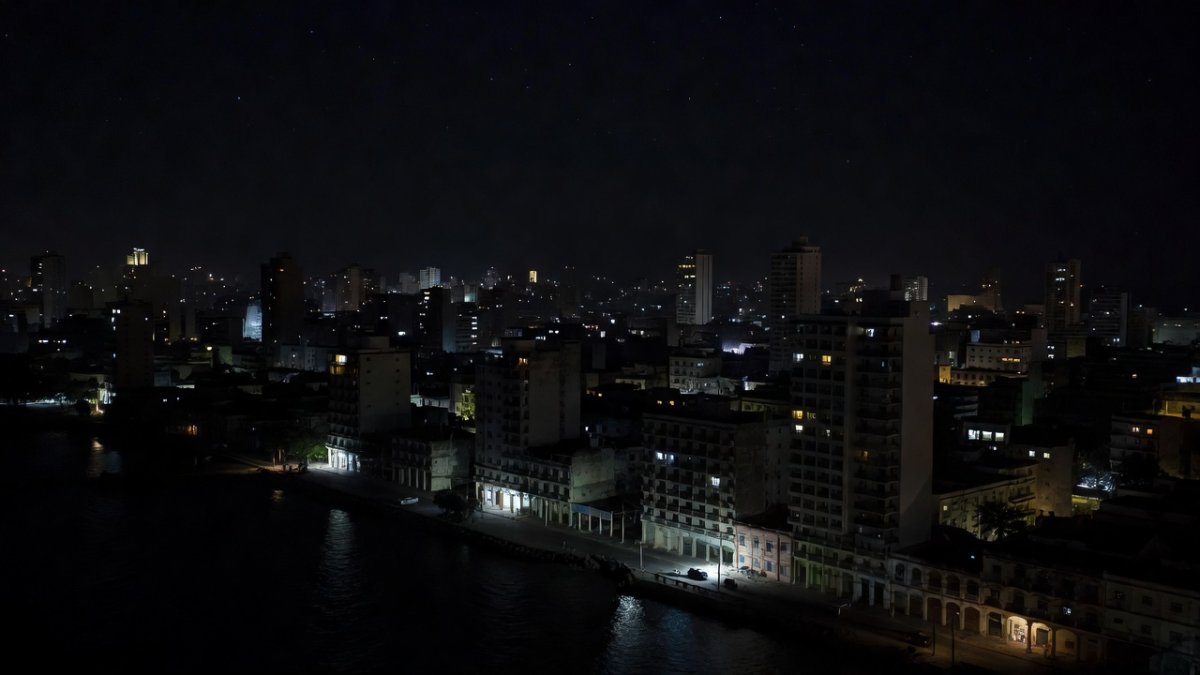
Cuba's Deepening Energy Shortages From the Fuel Blockade
Cuba heads into another month of blackouts due to the near-total fuel blockade imposed by the US. The island nation faces severe electricity shortages attributed in part to US sanctions. This blockade has left Cuba dependent on limited fuel supplies and has triggered rolling blackouts that last for hours at a time.
The country's power grid, already aging and poorly maintained, has been pushed to the breaking point by the fuel shortage. Cuba relies heavily on imported oil for electricity generation, and the US blockade has severely restricted supply. These conditions have created an energy crisis that affects every sector of society.
Personal Hardships Faced by Residents Like Ana Rosa Romero
For Ana Rosa Romero, a 70-year-old widow living in a high-rise building, the constant power cuts have transformed her daily life. BBC's Will Grant spoke to her about the impact of the blackouts. Many say their lives now revolve around these power outages.
For elderly residents like Ana Rosa Romero, the blackouts are more than an inconvenience. They are a matter of life and death. Without elevator access during power cuts, she and her husband were trapped in their high-rise apartment when he needed medical care. The humanitarian impact extends beyond blackouts to basic survival needs.
Geopolitical Pressures and Statements From US and Cuban Officials
The US has hit Cuba with an oil blockade, sanctions and an unprecedented murder indictment against former leader Raúl Castro. Washington is also warning that a peaceful agreement with the Caribbean nation is unlikely. Cuba says the US is using a "fraudulent case" to justify military intervention.
Since returning to the White House, Donald Trump has made clear his desire to change Havana's leadership and has openly mused that Cuba is "ready to fall". In March, he suggested the country was in "deep trouble" as he threatened a "friendly takeover". There has been no announcement of plans for any military intervention but Cuba is on edge, especially as surveillance activity in the Caribbean increases.
Over the past week, the US military has been publicly broadcasting the location of its aircraft near Cuba on plane-tracking websites. Cuba's foreign minister, Bruno Rodríguez, responded by saying the country "neither threatens nor desires war" and accused Washington of building a "fraudulent case" for military intervention.
US Secretary of State Marco Rubio said on Thursday that the White House's preference was "a diplomatic solution" but added that Trump had the right and obligation to protect his country against any threat. He also called Cuba a "national security threat" and said the likelihood of a peaceful agreement is "not high".
Strain on Essential Services and Daily Infrastructure
The US has been applying maximum pressure on Cuba through economic sanctions, the fuel blockade, and diplomatic isolation. The fuel blockade in particular has crippled Cuba's ability to generate electricity, leading to widespread blackouts that affect hospitals, water pumps, and daily life for millions of Cubans.
Water pumping stations cannot operate without electricity, leaving some neighborhoods without running water for days at a time. Food preservation becomes impossible, and medical equipment in hospitals relies on backup generators that also require fuel. These disruptions compound the challenges of an island nation already dependent on imported fossil fuels.
Energy Dependence and Lessons for Island Nations Across Latin America
The crisis in Cuba underscores the vulnerability of island nations to energy insecurity when they depend on imported oil. The near-total fuel blockade has exposed how quickly an aging grid reliant on fossil fuels can collapse under external pressure. This situation carries direct implications for other Caribbean and Latin American countries facing similar dependence.
Renewable energy transitions in the region could reduce such risks by diversifying away from imported oil. Cuba's experience shows that without alternative sources, blockades and supply disruptions leave communities without power, water, and medical access. The broader implications point to the need for regional cooperation on sustainable energy to build resilience against both geopolitical and climate-related shocks.
Connections to Brazil's Energy Challenges and Regional Outlook
Brazil shares the regional reality of balancing fossil fuel reliance with growing demands for stable electricity. Cuba's blackouts illustrate how external pressures on fuel supplies can halt daily functions and threaten public health. The same vulnerabilities exist where grids depend on imported oil rather than diversified local renewables.
Lessons from Cuba highlight the importance of accelerating renewable projects in Brazil and neighboring nations. Island nations and coastal economies in Latin America face heightened exposure to energy insecurity. Strengthening domestic renewable capacity offers a path to protect communities from both sanctions and the increasing instability tied to climate change.
By Elena Vasquez, Staff WriterThis article was produced with AI-assisted research and editorial support. Reporting is based on sources cited in the article.
What's Your Reaction?
 Like
0
Like
0
 Dislike
0
Dislike
0
 Love
0
Love
0
 Funny
0
Funny
0
 Wow
0
Wow
0
 Sad
0
Sad
0
 Angry
0
Angry
0

Latin America Correspondent at Global1.News. Based in Mexico City, covering politics, economics, energy, and culture across the region. Brings an on-the-ground perspective to stories spanning from the Rio Grande to Patagonia.












Comments (0)