
Caribbean hot sauce producers warn of shortages and higher prices
Scotch Bonnet Shortages Hit Caribbean Hot Sauce Makers Hot pepper sauce remains a daily essential across Caribbean tables, much like a basic seasoning in homes from Kingston to Port of Spain. Yet producers in Jamaica now face sharp limits on Scotch bonnet peppers, the fruit at the heart of their signature fiery condiments. Manufacturers report that extreme weather, combined wit
Scotch Bonnet Shortages Hit Caribbean Hot Sauce Makers
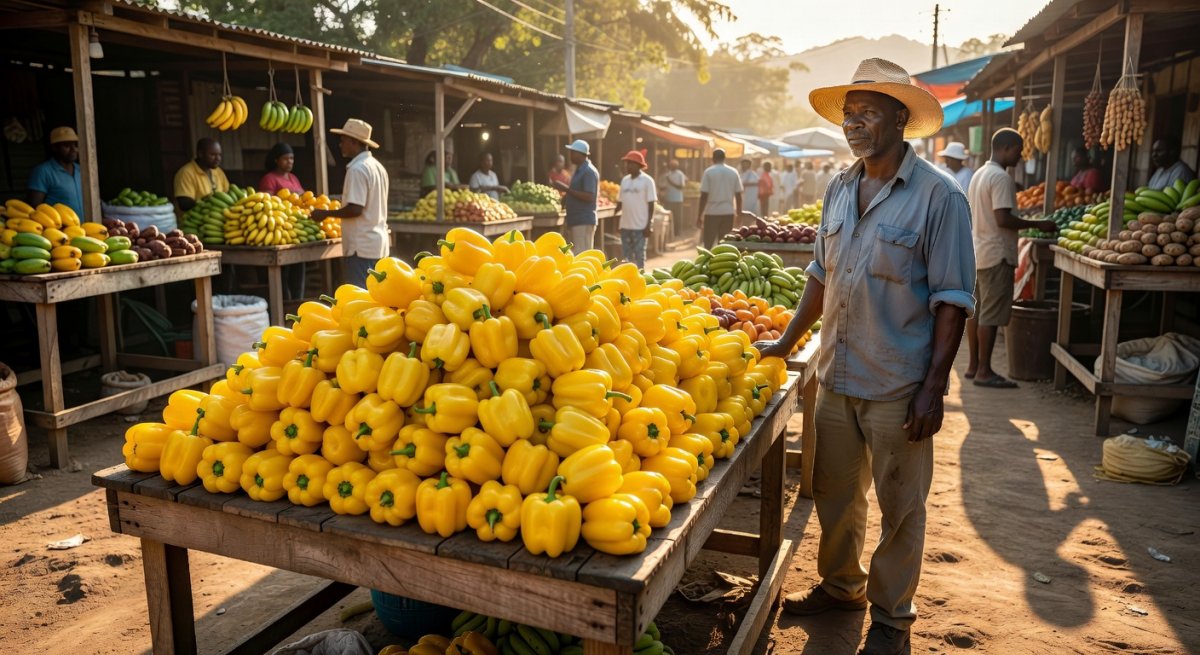
Hot pepper sauce remains a daily essential across Caribbean tables, much like a basic seasoning in homes from Kingston to Port of Spain. Yet producers in Jamaica now face sharp limits on Scotch bonnet peppers, the fruit at the heart of their signature fiery condiments. Manufacturers report that extreme weather, combined with pests and disease, has cut supplies and pushed prices higher.
Hurricanes Beryl and Melissa Devastate Crops
Back-to-back storms delivered heavy blows to Jamaica's agricultural fields. Hurricane Beryl struck first, followed by Hurricane Melissa last October, described as the strongest in the island's recorded history. These events damaged pepper plants already vulnerable to heavy rains that promote fungus and reduce heat levels in the fruit. Farmers responded by shifting to hardier crops such as sweet potato, further tightening availability of the yellow peppers needed for fresh processing.
Producers Like Walkerswood and Gray's Pepper Adapt
Sean Garbutt of Associated Manufacturers, which produces Walkerswood sauces, noted that the company canceled orders after the storms and now struggles to maintain consistent supply for its top Scotch bonnet product. Drew Gray of Gray's Pepper, a family business exporting roughly two-thirds of its output, explained that inventory buffers helped keep shipments moving to major retailers abroad, even after premises sustained damage. Both companies stress that fresh peppers must be processed quickly to preserve color and quality without added dyes.
Cultural Role and Rising Costs in Daily Life
Scotch bonnets sit at the center of Jamaican cuisine and identity, appearing in rice and peas, curries, and countless home-cooked meals. Drew Gray described how the absence of hot sauce at a cook shop table feels almost disrespectful locally. Price increases reached as much as tenfold immediately after Hurricane Melissa, with a sustained rise of 40 to 50 percent over two years, affecting household budgets and the many small vendors who rely on affordable seasonings.
Broader Climate Pressures Across Latin America
The same pattern of intensified storms, erratic rainfall, and shifting pest pressures now threatens other crops vital to the region, from Brazilian coffee plantations to Central American banana farms. Dwight Forrester of Jamaica's Rural Agricultural Development Authority highlighted the peppers' susceptibility to viruses and gall midges, challenges that echo difficulties faced by growers elsewhere in Latin America as weather patterns grow more unstable. These disruptions link Caribbean kitchens directly to the wider climate stresses reshaping food systems from the Caribbean to South America.
Government Support and Long-Term Outlook
Jamaica's Rural Agricultural Development Authority distributed Scotch bonnet seeds to 650 growers as part of recovery efforts. Officials continue to view the peppers as a flagship export item, with 40 percent of production shipped overseas to markets including the United States, Europe, and Australia. Sustained investment in resilient farming practices will be essential if the region hopes to protect both its culinary traditions and the livelihoods tied to them.
By Elena Vasquez, Staff WriterThis article was produced with AI-assisted research and editorial support. Reporting is based on sources cited in the article.
What's Your Reaction?
 Like
0
Like
0
 Dislike
0
Dislike
0
 Love
0
Love
0
 Funny
0
Funny
0
 Wow
0
Wow
0
 Sad
0
Sad
0
 Angry
0
Angry
0

Latin America Correspondent at Global1.News. Based in Mexico City, covering politics, economics, energy, and culture across the region. Brings an on-the-ground perspective to stories spanning from the Rio Grande to Patagonia.











Comments (0)