
Border School Closes as Myanmar Clashes Raise Security Concerns
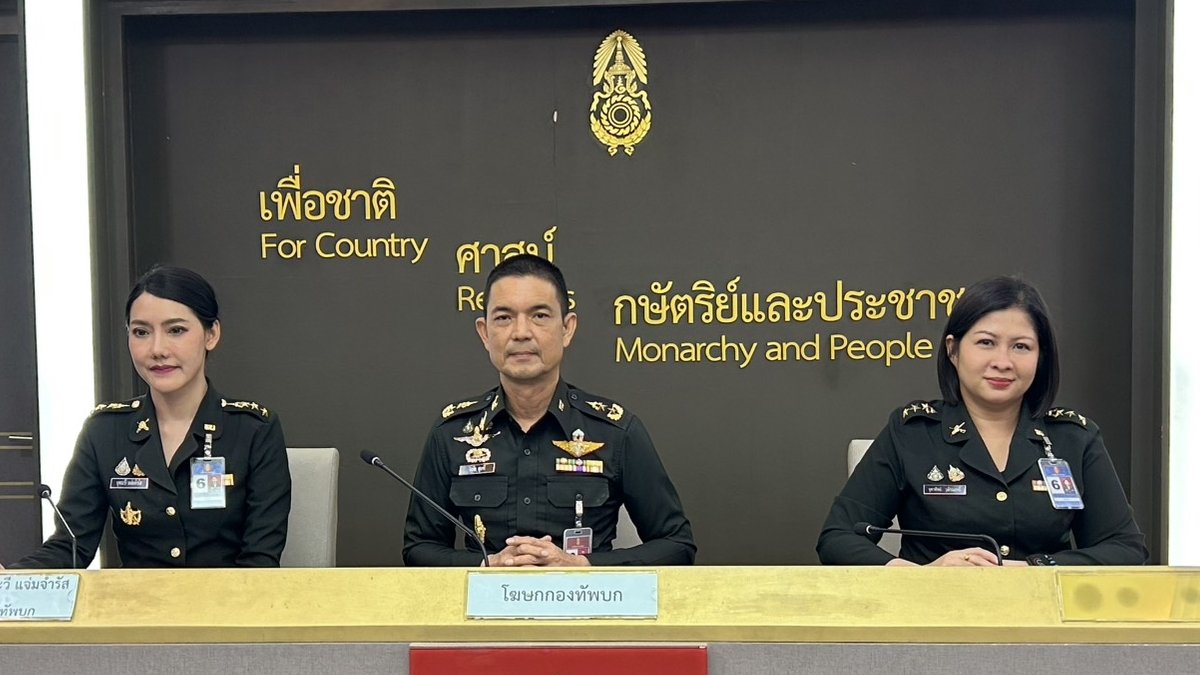
Schools Suspended as Bullets Cross the Border On Monday, Col. Nuchrawee Jamjamrat, deputy spokesperson for the Royal Thai Army, confirmed that Ban Mae Kon Ken School in Mae Sot district, Tak province, had temporarily suspended classes after stray bullets from renewed clashes along the Myanmar border landed inside Thai territory. The decision came as reports emerged of intensifi
Schools Suspended as Bullets Cross the Border
On Monday, Col. Nuchrawee Jamjamrat, deputy spokesperson for the Royal Thai Army, confirmed that Ban Mae Kon Ken School in Mae Sot district, Tak province, had temporarily suspended classes after stray bullets from renewed clashes along the Myanmar border landed inside Thai territory. The decision came as reports emerged of intensified fighting across the frontier on Sunday and Monday, with the Naresuan Task Force closely monitoring the situation to ensure the safety of students and staff in this vulnerable border community.
The temporary closure has sent ripples through the tight-knit community of Mae Sot, where families depend on the school not only for education but as a cornerstone of daily life. Parents in villages near Huai Maha Wong have expressed quiet concern while maintaining the calm resilience characteristic of Thailand's border communities. Local temple leaders have reminded families to practice mindfulness and compassion during this uncertain period, drawing on Buddhist teachings that emphasise inner peace even when external circumstances feel unsettled.
Thailand's response has been measured but firm. The Naresuan Task Force — the army unit responsible for protecting Thailand's western border — has been placed on heightened alert alongside the Ratchamanu Task Force, with personnel and equipment on standby to protect residents and property. The message from Bangkok is clear: Thailand will not tolerate any escalation that endangers its citizens, even as it seeks to maintain diplomatic channels with its Myanmar counterpart.
Myanmar Military Reinforcements in Myawaddy
Two days ago, reports from the Thai side of the border indicated that Myanmar's military had moved additional troops and armoured vehicles into Myawaddy township. Local observers noted the arrival of at least three truck convoys carrying infantry units near the Friendship Bridge area. These movements come amid ongoing clashes between government forces and ethnic armed groups that have intensified since the previous weekend.
Residents in Myawaddy have described the atmosphere as tense yet familiar, with many recalling similar build-ups during past periods of unrest. Buddhist monks in the township have continued their daily alms rounds, offering quiet prayers for peace that echo the compassionate spirit found across the border in Thai temples. Community leaders emphasise the importance of maintaining harmony even as external pressures mount.
The reinforcements appear focused on securing key roads leading toward the Moei River, which forms the natural boundary with Thailand. Thai intelligence sources suggest the deployments involve elements of the Myanmar army's 44th Light Infantry Division. Such activity has prompted villagers on both sides to stock essential supplies in preparation for possible disruptions.
Local traders who cross the border regularly report that markets in Myawaddy have seen reduced activity as families stay indoors. This pattern reflects the deep cultural ties between communities on either side, where shared Buddhist traditions often serve as a bridge during difficult times. Observers note that these connections help sustain hope for eventual dialogue.
Thailand's Military Response: Naresuan and Ratchamanu Task Forces
The Naresuan Task Force has deployed additional patrols along the Moei River since Sunday, with checkpoints established at regular intervals near Mae Sot. Soldiers from the unit, known for their role in safeguarding Thailand's western frontier, have been equipped with enhanced communication gear to coordinate rapid responses. This measured increase in presence aims to deter any spillover while avoiding provocation.
Alongside them, the Ratchamanu Task Force has positioned medical and engineering teams in forward locations. These units, drawn from regional commands, include personnel trained in disaster response who also support community welfare initiatives. Their involvement highlights Thailand's tradition of integrating military duties with humanitarian care rooted in Buddhist principles of kindness.
Coordination between the two task forces has been strengthened through daily briefings at the forward command post. Officers have stressed the need for calm professionalism, drawing on the cultural value of kreng jai, or considerate restraint, when interacting with local residents. This approach helps maintain trust between the military and border communities.
Equipment checks conducted earlier this week confirmed that both task forces maintain adequate supplies of water, fuel and first-aid materials. Such preparedness reflects lessons learned from previous border incidents and aligns with ASEAN expectations for responsible management of shared frontiers. Residents have expressed appreciation for the visible yet non-intrusive security measures.
Life in Mae Sot: A Border Town on Alert
Mae Sot's morning markets have operated with fewer stalls since the clashes began, as vendors from nearby villages choose to remain closer to home. Families continue to gather at the local temple each evening for chanting sessions that provide spiritual comfort amid uncertainty. These gatherings reinforce the community's Buddhist heritage and collective resilience.
School administrators have arranged for lessons to continue online where possible, ensuring students do not fall behind during the temporary suspension. Parents in the Huai Maha Wong area have formed small support groups to share information and resources, embodying the Thai value of mutual assistance. Children have been encouraged to practice mindfulness exercises taught by temple volunteers.
Cross-border trade, vital to Mae Sot's economy, has slowed noticeably with fewer Myanmar workers crossing for daily employment. Local business owners report adapting by focusing on domestic customers while maintaining friendly relations with counterparts across the river. This flexibility mirrors the adaptive spirit long present in Thailand's border economies.
Community radio stations broadcast gentle reminders about staying informed through official channels and avoiding rumours. Elders often reference historical examples of peaceful resolution, drawing parallels to Buddhist stories of patience and understanding. Such cultural anchors help the town maintain its characteristic warmth even under alert conditions.
Historical Patterns of Conflict Along the Thai-Myanmar Border
Clashes near Myawaddy have recurred periodically since the 1980s, often linked to struggles involving Karen armed groups and Myanmar central authorities. The Moei River has served as both a natural divider and a corridor for refugees during major flare-ups in 1997 and 2010. These episodes have shaped the cautious yet compassionate outlook of Thai border residents.
Thailand has consistently hosted displaced persons in camps along the border, providing shelter in line with Buddhist teachings on compassion. Many families in Tak province trace their own histories to earlier migrations, creating deep kinship networks that span the frontier. Such connections foster ongoing cultural exchange despite political tensions.
Diplomatic efforts in past decades have included informal talks facilitated by local military commanders on both sides. These channels have helped prevent minor incidents from escalating, reflecting ASEAN's preference for quiet diplomacy over confrontation. Historical records show that periods of calm often follow when community leaders engage directly.
Monuments and memorials in Mae Sot honour those who have worked for peace across generations. Annual merit-making ceremonies at border temples remember past hardships while praying for stability. This blend of remembrance and hope continues to guide local responses to current challenges.
Humanitarian Concerns for Displaced Communities
Recent fighting has prompted several hundred people to seek temporary shelter near the Thai border, with some families arriving at established camps outside Mae Sot. Aid organisations have distributed rice, clean water and basic medical supplies in coordination with local authorities. These efforts draw on Thailand's long-standing role as a refuge for those affected by regional instability.
Children among the displaced have been welcomed into temple grounds where monks organise simple educational activities. This approach aligns with Buddhist values that prioritise the well-being of the young during times of hardship. Volunteers from Mae Sot communities have contributed clothing and toys collected through neighbourhood drives.
Health workers monitor for signs of stress-related illness, offering counselling sessions that incorporate mindfulness techniques familiar to both Thai and Myanmar Buddhists. Such culturally sensitive care helps families maintain emotional balance while separated from their homes. International partners have praised these integrated support systems.
Longer-term planning includes discussions about education continuity and livelihood restoration once conditions allow safe return. Community leaders emphasise the importance of preserving dignity and cultural identity for displaced persons. These priorities reflect broader ASEAN commitments to people-centred responses in crisis situations.
ASEAN Diplomacy and Regional Stability
Thailand has maintained open communication lines with Myanmar authorities through established ASEAN mechanisms, including the recent virtual meetings of foreign ministers. Officials have reiterated support for the Five-Point Consensus, which calls for an immediate end to violence and inclusive dialogue. This stance demonstrates Bangkok's preference for constructive engagement over isolation.
Regional envoys have visited border areas in recent months to better understand local dynamics and humanitarian needs. Their presence underscores ASEAN's collective interest in preventing any single conflict from destabilising the wider Mekong subregion. Thai diplomats often highlight shared cultural heritage as a foundation for trust-building.
Economic cooperation projects along the border, such as improved trade facilitation, remain paused but not abandoned. Leaders recognise that sustainable peace benefits all member states through enhanced connectivity and investment. Buddhist-inspired values of harmony continue to inform these diplomatic conversations.
Youth exchange programmes between Thai and Myanmar universities have been temporarily adjusted yet retain their long-term vision of fostering mutual understanding. Participants frequently cite the border communities as living examples of resilient coexistence. Such initiatives strengthen ASEAN's people-to-people ties even during periods of tension.
Safety Advice for Residents in Border Communities
Authorities recommend that families in Mae Sot keep emergency kits containing water, non-perishable food and important documents readily available. Residents are encouraged to follow updates from the Naresuan Task Force through official radio broadcasts rather than unverified social media posts. This guidance reflects Thailand's emphasis on calm, informed preparedness.
Parents have been advised to discuss safety plans with children in age-appropriate ways, drawing on Buddhist stories that teach awareness without fear. Temple volunteers offer evening sessions on breathing exercises that help reduce anxiety during uncertain times. These practices integrate spiritual traditions with practical advice.
Drivers near the border are asked to avoid unnecessary travel after dusk and to report any unusual activity to local checkpoints. Community watch groups, long a feature of Thai village life, have increased their rounds while maintaining respectful interactions with neighbours. Such collective vigilance strengthens social bonds.
Health centres remind residents to continue routine medical care and to seek support if stress becomes overwhelming. Counsellors trained in culturally appropriate methods provide gentle guidance rooted in mindfulness. This holistic approach helps communities sustain their characteristic warmth and resilience.
The Path Forward for Tak Province
Local leaders in Tak province are exploring ways to strengthen cross-border cooperation once immediate tensions ease, including renewed trade dialogues and cultural festivals. These initiatives build on decades of shared history between Thai and Myanmar communities along the Moei River. Officials stress that economic recovery must proceed alongside efforts for lasting peace.
Schools plan to resume in-person classes gradually, incorporating lessons on conflict resolution drawn from Buddhist teachings. Teachers aim to help students process recent events while fostering empathy for those affected across the border. Such educational approaches nurture the next generation's commitment to harmony.
Infrastructure projects, including improved river monitoring systems, are under review to enhance future preparedness. Provincial authorities have invited community input, reflecting Thailand's tradition of inclusive decision-making. These measures aim to protect livelihoods while respecting the natural environment that sustains border life.
Ultimately, residents express quiet optimism that dialogue will prevail, supported by ASEAN frameworks and local cultural values. Merit-making ceremonies continue at temples, offering prayers for wisdom and compassion among all parties. This gentle persistence embodies the enduring spirit of Tak province's people.
By Ann Srisawat, Staff WriterThis article was produced with AI-assisted research and editorial support. Reporting is based on sources cited in the article.
What's Your Reaction?
 Like
0
Like
0
 Dislike
0
Dislike
0
 Love
0
Love
0
 Funny
0
Funny
0
 Wow
0
Wow
0
 Sad
0
Sad
0
 Angry
0
Angry
0

Southeast Asia Correspondent at Global1.News. Based in Bangkok, covering Thai and Southeast Asian politics, economy, technology, and culture. Deep regional perspective on one of the world's most dynamic regions.










Comments (0)