
Bolivia State of Emergency: Military Ends Blockade Crisis
**Meta Title:** Bolivia State of Emergency: Paz Deploys Military to End Blockades **Meta Description:** Bolivia's President Paz declares 90-day state of emergency on June 20 after 50 days of blockades, granting military powers to clear roads amid fuel subsidy crisis and economic turmoil affecting La Paz and El Alto residents. **Keywords:** Bolivia state of emergency, President
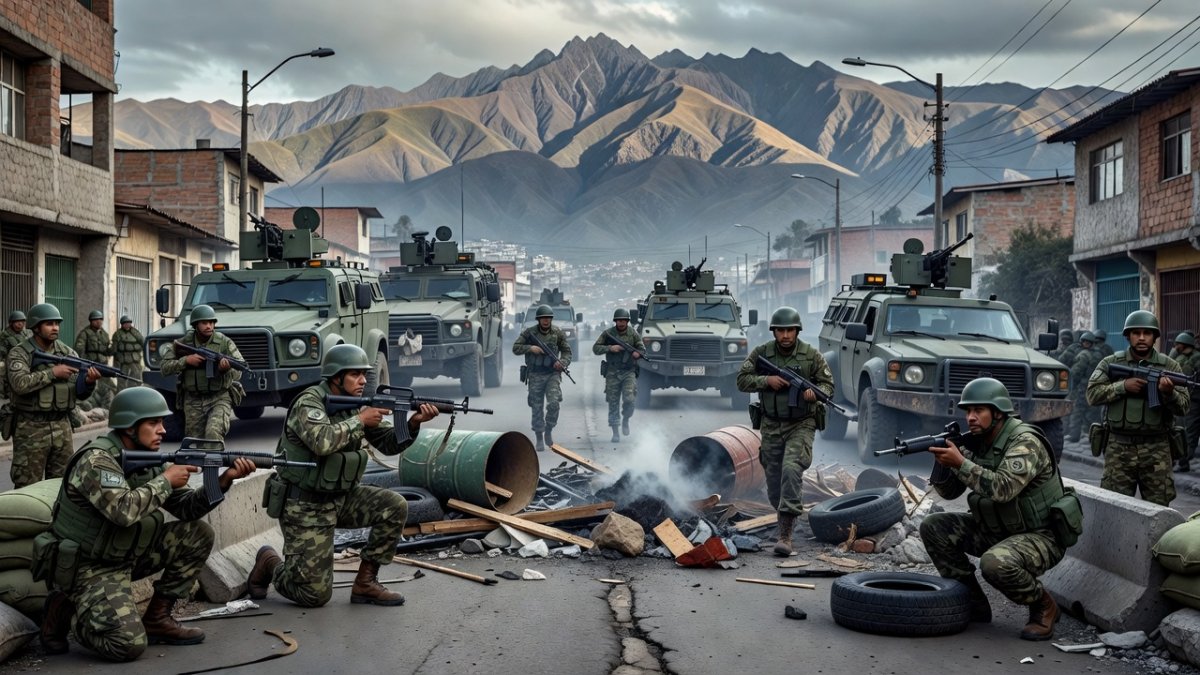
The DW News video "Military in streets after Bolivia declares state of emergency | DW News" shows armored vehicles moving through La Paz streets this week as soldiers prepare to dismantle roadblocks that have lasted more than 50 days. President Rodrigo Paz addressed the nation in a pre-dawn broadcast, announcing measures that place the armed forces in charge of restoring order across major highways. Families in the capital and neighboring El Alto now face immediate questions about access to food, fuel, and medical supplies that have been cut off since early May. The images capture tense standoffs between troops and protesters near the main routes leading into the city center.
The Emergency Declaration
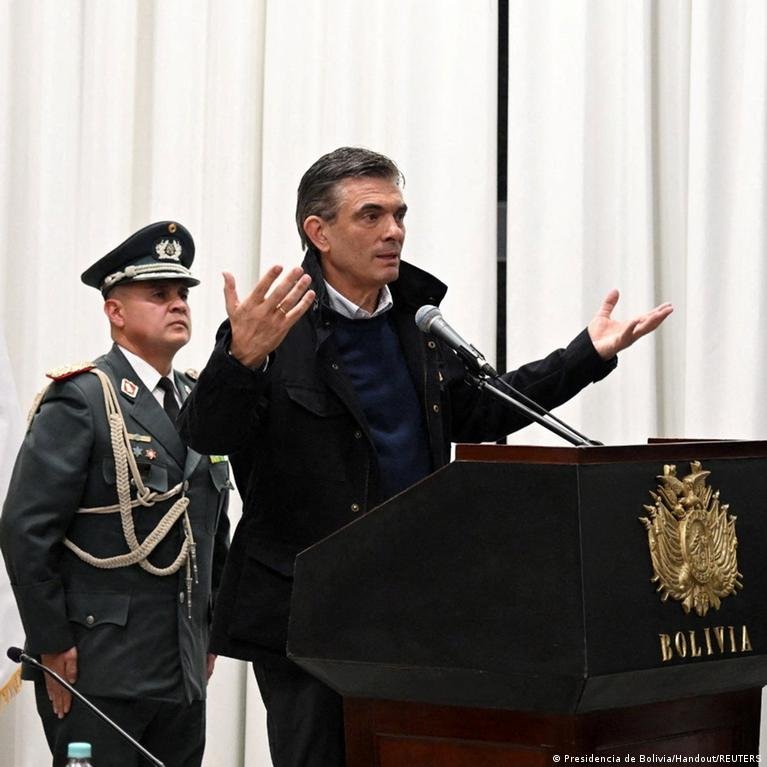
President Rodrigo Paz announced the 90-day state of emergency in a pre-dawn televised address on Saturday, June 20 from the Palacio Quemado in La Paz. The decree grants the military broad powers to clear blockades that have paralyzed the country for over 50 days, allowing troops to use force if necessary to reopen highways. Paz stated that the decision followed exhausting all avenues of dialogue with opposition groups and labor organizations. He emphasized that the measure targets only those disrupting national supply lines rather than ordinary citizens going about daily life.
"This is not a state of emergency to restrict people's lives. It is a state of emergency to give freedom back to the people, to free Bolivia from those who use political conflict to block roads and harm the population," Paz declared during the address. He described the blockades as an organized attempt to destabilize democracy and undermine the elected government. A tentative deal reached with the COB on Friday failed to lift the remaining roadblocks in key departments, prompting the escalation to military involvement. The announcement immediately triggered deployments around the capital and major transit points.
How the Crisis Began: Fuel Subsidies and Economic Shock
Paz scrapped two-decade-old fuel subsidies in May, causing gas prices to spike sharply across Bolivia and triggering immediate protests from transport unions and rural communities. He took office in November 2025, ending 20 years of socialist MAS party rule under Evo Morales and Luis Arce, and promised to tackle Bolivia's worst economic crisis in four decades. Depleted natural gas reserves have reduced export revenues while foreign currency shortages have limited imports of essential goods. Inflation has climbed steadily, hitting urban households hardest.
The subsidy cuts formed part of IMF-backed reforms aimed at reducing fiscal deficits and attracting new investment into the energy sector. Paz's administration argued that maintaining the old system was no longer sustainable given falling production at fields like San Antonio and Margarita. Rural cooperatives and urban taxi drivers immediately organized resistance, arguing that higher fuel costs would destroy already thin profit margins. The policy shift marked a clear break from the MAS era's emphasis on state-controlled energy pricing.
50 Days of Blockades: Life in La Paz and El Alto
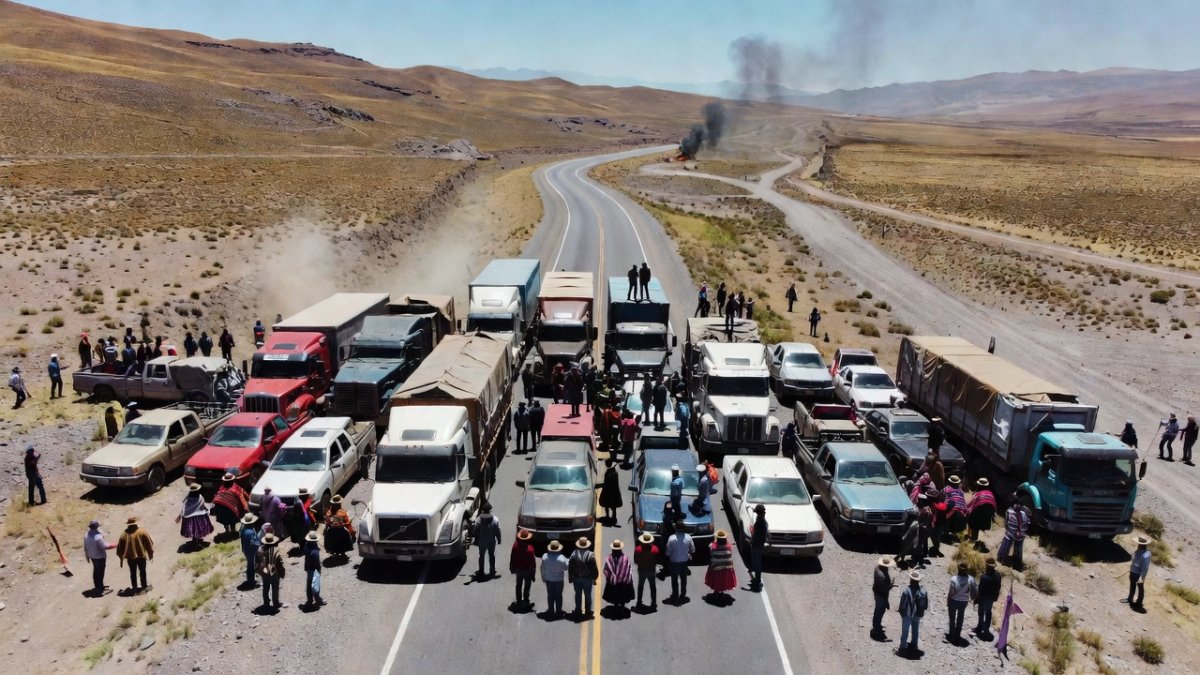
Road blockades have choked supplies of food, fuel, and medicines to La Paz, El Alto, and other major cities since early May, leaving supermarket shelves empty and pharmacies without insulin or blood pressure medications. At least 14 people have died in related incidents, including clashes and medical emergencies that could not reach hospitals in time. Workers who rely on daily wages in the informal markets of El Alto have lost income for weeks, forcing families to sell household goods to buy basic staples at inflated prices.
Neighborhood clinics in the colonias of La Paz report severe medicine shortages for chronic conditions such as diabetes and hypertension, with patients turned away when stocks run out. Transportation remains paralyzed, stranding students, factory workers, and elderly residents who depend on buses and minibuses that can no longer navigate the blocked routes. Indigenous Aymara communities on the outskirts of El Alto have organized communal kitchens to share dwindling food reserves, highlighting the human cost of the prolonged standoff.
Mexico's Parallel: Fuel Subsidies and Social Pressures
The Sheinbaum administration faces similar pressures balancing social programs with fiscal discipline as Bolivia's crisis unfolds, with debates over gasoline subsidies continuing in the Congreso de la Unión. Mexico's IEPS stimulus mechanism has kept pump prices stable for consumers, yet rising global oil costs have strained public finances in ways that echo Paz's decision to end long-standing supports. AMLO's legacy of energy sovereignty remains influential, even as market realities push the current government toward gradual adjustments.
The Presidencia and SRE are monitoring Bolivia closely as a regional bellwether for how subsidy reforms play out amid strong social movements. Indigenous communities in Chiapas and Oaxaca face similar vulnerabilities to fuel price shocks, relying on subsidized diesel for agricultural transport and local commerce. Mexican officials have expressed concern that unrest in Bolivia could affect regional stability and cross-border investment flows. The experience offers direct lessons for how Mexico might manage comparable tensions without triggering widespread blockades.
Political Fractures: Morales Loyalists vs. Paz Government
Protests have been led by the COB and groups loyal to Evo Morales, who retain strong influence in rural areas and among mining unions despite the change in government. Evo Morales faces his own legal troubles, including a statutory rape arrest warrant issued in December 2024 that has complicated his political activities. The MAS party remains split between Morales loyalists and supporters of former president Luis Arce, weakening unified opposition to Paz's reforms.
Paz holds the position as the first non-socialist president in 20 years, elected on promises of economic stabilization and reduced state intervention. Comparisons to Mexico's political landscape include Morena internal divisions over how far to push market-oriented changes while preserving social spending. The fractures in Bolivia illustrate the difficulty of transitioning from long-term leftist governance to new economic frameworks without triggering sustained resistance from organized labor and indigenous groups.
Regional Implications for Latin America
Bolivia serves as a case study for Latin America's broader struggle between progressive social movements and the need for economic reforms, with fuel subsidy cuts attempted by governments from Argentina to Ecuador in recent years. These measures have repeatedly sparked protests that test the limits of democratic governance and military involvement. US-Mexico-Latin America trade implications remain significant, prompting SRE coordination on regional stability to protect supply chains and investment.
What this means for T-MEC/USMCA partners watching political stability in the region is heightened vigilance over any spillover effects on energy markets and migration patterns. Possible OAS involvement has been discussed in diplomatic circles as a way to mediate between the Paz government and opposition forces. The outcome in Bolivia could influence how other nations approach similar subsidy reductions without derailing democratic institutions or economic recovery efforts.
What to Watch For
Observers will track whether the military crackdown escalates into wider confrontations or succeeds in reopening key highways within the first weeks of the emergency decree. Paz's government must still demonstrate it can find a lasting political solution that addresses the underlying economic grievances rather than relying solely on force. The manner in which the crisis resolves will shape Paz's presidency and Bolivia's democratic trajectory for years to come.
Lessons for the Sheinbaum administration and other Latin American governments include the importance of sequencing subsidy reforms with targeted social protections to avoid prolonged blockades. Regional bodies and neighboring countries will continue to assess how Bolivia's experience affects broader stability across the hemisphere.
The developments in Bolivia underscore the delicate balance Latin American leaders must maintain between fiscal responsibility and protecting vulnerable populations from sudden economic shocks. Mexican families and policymakers alike will follow whether Paz can restore order while preserving democratic norms, offering potential guidance for managing similar pressures at home. The coming weeks will reveal if dialogue can resume or if the military deployment marks a deeper shift in regional governance approaches.
By Rosa Martinez, Staff WriterThis article was produced with AI-assisted research and editorial support. Reporting is based on sources cited in the article.
What's Your Reaction?
 Like
0
Like
0
 Dislike
0
Dislike
0
 Love
0
Love
0
 Funny
0
Funny
0
 Wow
0
Wow
0
 Sad
0
Sad
0
 Angry
0
Angry
0
Latin America/Andes Correspondent at Global1.News. Based in Bogota, covering politics, environment, energy, and social movements across the Andean region. Passionate about environmental journalism and communities protecting their land.











Comments (0)