
Trump's $2.45B Big Bend Border Wall Sparks Cross-Border Fears
**Meta Description:** The Trump administration has approved a $2.45 billion border wall project spanning 70-80 miles in Big Bend, raising concerns for Presidio residents and cross-border communities in Mexico over flood risks and consultation. **Keywords:** border wall, Big Bend, Presidio Texas, Kristi Noem, Barnard Construction, Fisher Sand and Gravel, Rio Grande, Ojinaga, She
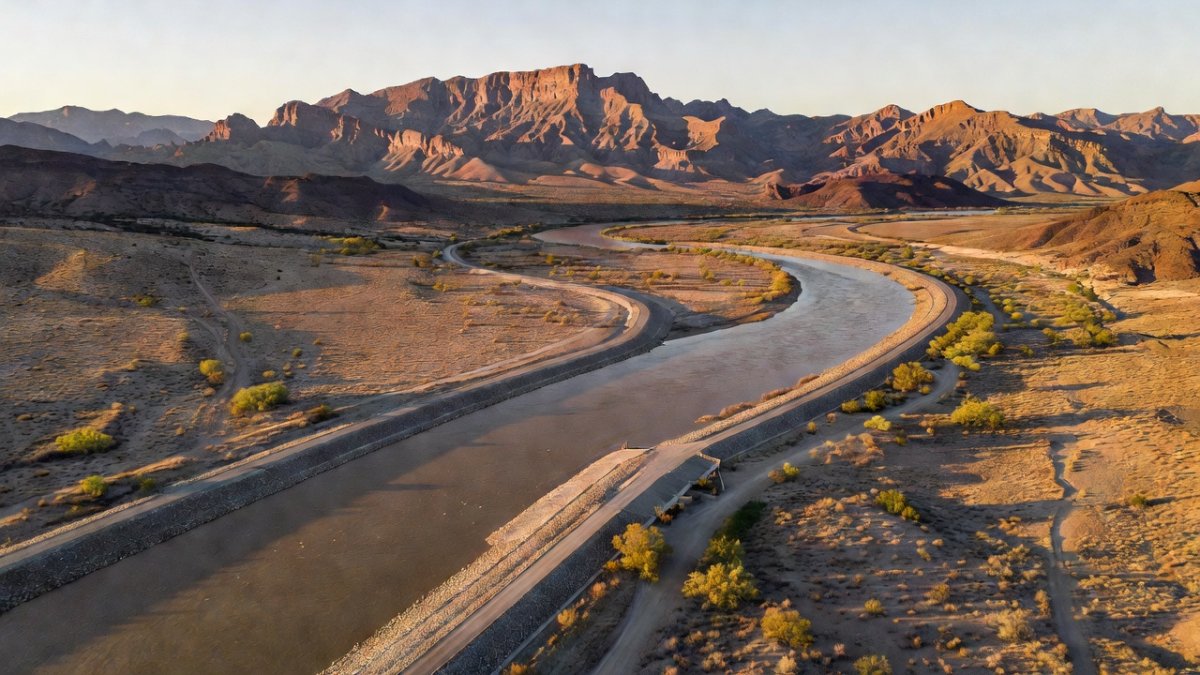
Trump Administration Announces Major Border Wall Project in Big Bend Region
The announcement on March 5, 2026, from the Department of Homeland Security brought news of a $2.45 billion border wall project in the Big Bend area of West Texas. Signed by then-Secretary Kristi Noem, the plan immediately drew attention from families on both sides of the border who have long shared ties across the Rio Grande. Communities in Presidio and nearby Mexican towns now face questions about how this infrastructure will shape daily life and cross-border connections.
Residents in the region, including those in small colonias and ejidos, have always viewed the river as a thread linking generations rather than a divider. The scale of the investment signals a renewed focus on physical barriers in an area known for its rugged terrain. Many families worry that decisions made far from the border will alter the quiet rhythms of life they have maintained for decades.
Details of the Wall Construction Contracts and Timeline
The project calls for a 30-foot steel-bollard wall equipped with fiber optics, cameras, and dedicated maintenance and patrol roads. Barnard Construction received a $960.4 million contract while Fisher Sand and Gravel secured $1.2 billion to build across 70 to 80 miles from Ruidosa to Colorado Canyon. These contracts represent one of the largest single investments in border infrastructure in recent years.
Work is expected to proceed along stretches that include challenging desert and canyon landscapes. The companies involved bring experience from previous federal projects, though timelines remain subject to legal and environmental reviews. Local observers note that such large-scale efforts often stretch across multiple years before completion.
Concerns Over the Presidio Valley Flood Control Levee
The planned wall would sit atop the Presidio Valley Flood Control levee, a structure rebuilt after devastating floods in 2008. That levee system carries an estimated replacement value of around $100 million and serves the roughly 4,000 residents of Presidio. Placing additional infrastructure on this foundation raises questions about long-term stability during heavy rain events.
Families in Presidio remember the 2008 floods vividly, as waters disrupted homes, businesses, and daily routines for weeks. The levee was designed specifically to protect the community from future high-water events along the Rio Grande. Adding a border wall on top introduces new variables that local leaders say require careful study before any construction begins.
Local Leaders Demand Answers on Community Consultation
On March 17, 2026, the Presidio Municipal Development District wrote to Customs and Border Protection, the Army Corps of Engineers, and the International Boundary and Water Commission seeking detailed information. John Kennedy, speaking for the district, stated that the issue centers on whether the federal government can build major infrastructure in a floodplain on top of a treaty-mandated levee without telling the community it is supposed to protect. His words captured the frustration felt across the region.
Many residents express that decisions affecting their safety and livelihoods should involve direct conversations with those who live along the river every day. The lack of prior outreach has left families wondering how their concerns will be addressed once equipment arrives. Community meetings in Presidio have become spaces where neighbors share stories of past floods and hopes for genuine dialogue moving forward.
Voices from Mexican Communities Across the Border
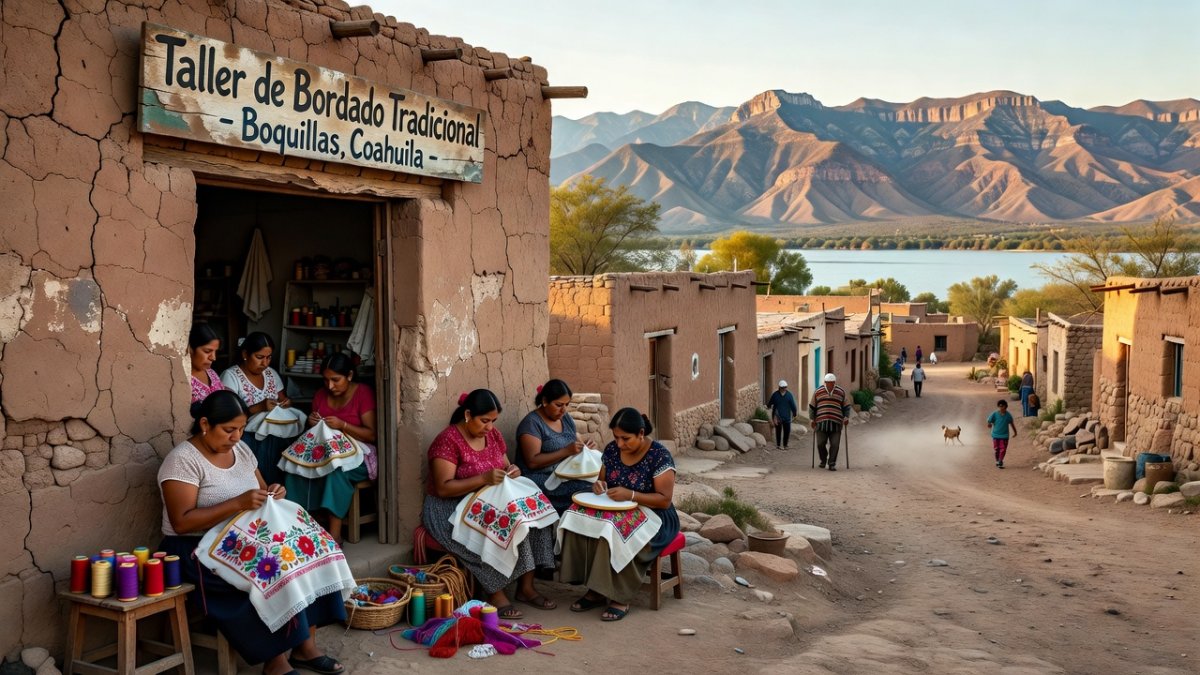
In Boquillas, Mexico, residents have maintained an embroidery tradition featuring the phrase "No al muro" since the first Trump administration. This quiet form of expression reflects ongoing worries about how barriers affect family visits, trade, and cultural exchanges with neighbors in Texas. The tradition continues as a symbol of cross-border solidarity.
Leaders in Ojinaga have also voiced concerns about impacts on the shared Rio Grande ecosystem and the Presidio-Ojinaga International Rail Crossing, one of only eight U.S. international rail crossings. President Sheinbaum was described by President Trump at the June 2026 G7 meeting as "a very good woman," yet Mexican officials continue to emphasize respect for national sovereignty in border matters. Families on both sides hope conversations between the two governments will remain open and respectful.
Legal Challenges and Environmental Waivers Filed
In February 2026, Secretary Noem waived 28 environmental and historic protection laws across 175 miles of the project area. Lawsuits have already been filed in El Paso federal court by the Center for Biological Diversity, Friends of Ruidosa Church, and the Texas Civil Rights Project. These cases focus on the adequacy of environmental reviews and the process used to bypass longstanding protections.
Fisher Sand and Gravel carries a record of prior environmental violations that plaintiffs argue should factor into contract decisions. Community advocates say the waivers remove important safeguards for wildlife corridors and historic sites along the river. Court proceedings are expected to examine whether proper consultation occurred with affected communities before the waivers were issued.
Big Bend Terrain and Official Rationale for the Project
The Big Bend region features mountains, canyons, and desert that already function as natural barriers along much of the border. Officials have cited cartel activity as a reason for shifting focus to land crossings, a point former President Trump raised during the June 2026 G7 meetings. The wall is presented as a tool to strengthen enforcement in areas where terrain alone may not deter crossings.
Local residents note that the rugged landscape has long shaped migration patterns and daily life on both sides of the river. The addition of a 30-foot structure with surveillance technology represents a significant change to this environment. Discussions continue about how enforcement priorities align with the realities of the desert and canyon country.
Potential Effects on the Rio Grande Ecosystem and Heritage
The Rio Grande supports diverse wildlife and plant communities that cross political boundaries without regard for walls or levees. Construction activities could affect migration routes for species that have inhabited the region for generations. Cultural and historic sites along the 175-mile waiver area also face new risks under the streamlined review process.
Residents in nearby Mexican communities worry that changes to the riverbank and floodplain could alter traditional uses of the land for farming and gathering. The waivers of 28 laws have removed layers of review that previously protected these resources. Advocates on both sides of the border continue to document sites they believe deserve careful consideration before ground is broken.
Next Steps for Communities and Ongoing Legal Actions
Court cases in El Paso will likely determine whether construction can proceed as planned or whether additional reviews are required. The Presidio Municipal Development District and partner organizations plan continued outreach to federal agencies for clearer answers on flood protection measures. Cross-border groups are organizing meetings to share information and coordinate responses.
Residents emphasize that any final decisions must account for the safety of the 4,000 people in Presidio and the families connected to them in Ojinaga and Boquillas. Timelines for the Barnard and Fisher contracts remain tied to the outcome of litigation and further engineering studies. Community members remain committed to staying informed and engaged throughout the process.
Human Stories Behind the Border Infrastructure Debate
Families on both sides of the Rio Grande have built lives around the river's flow, sharing holidays, markets, and memories that no wall can fully separate. The $2.45 billion project now stands at the center of conversations about safety, sovereignty, and the future of these relationships. Presidio residents and their neighbors in Mexico continue to hope that their voices will shape whatever comes next.
As legal challenges move forward and construction planning advances, the focus remains on protecting communities from both security concerns and flood risks. The embroidery in Boquillas and the letters from Presidio reflect a shared desire for decisions made with full knowledge of local realities. In the months ahead, these cross-border ties will continue to guide how families respond to the changing landscape along the Big Bend.
By Rosa Martinez, Staff Writer
This article was produced with AI-assisted research and editorial support. Reporting is based on sources cited in the article.
What's Your Reaction?
 Like
0
Like
0
 Dislike
0
Dislike
0
 Love
0
Love
0
 Funny
0
Funny
0
 Wow
0
Wow
0
 Sad
0
Sad
0
 Angry
0
Angry
0
Latin America/Andes Correspondent at Global1.News. Based in Bogota, covering politics, environment, energy, and social movements across the Andean region. Passionate about environmental journalism and communities protecting their land.










Comments (0)