
Housing Crisis Hits Hard: Mortgage Rates and Record Rents
The Housing Squeeze Just Got Real — And It's Not Letting Up Folks, let's cut straight through the noise. America's housing market isn't recovering — it's grinding people down on two fronts at once. Mortgage rates are still painfully elevated even after a tiny dip, and a fresh Harvard report lays bare how renters are getting crushed under costs that have outrun their paychecks f
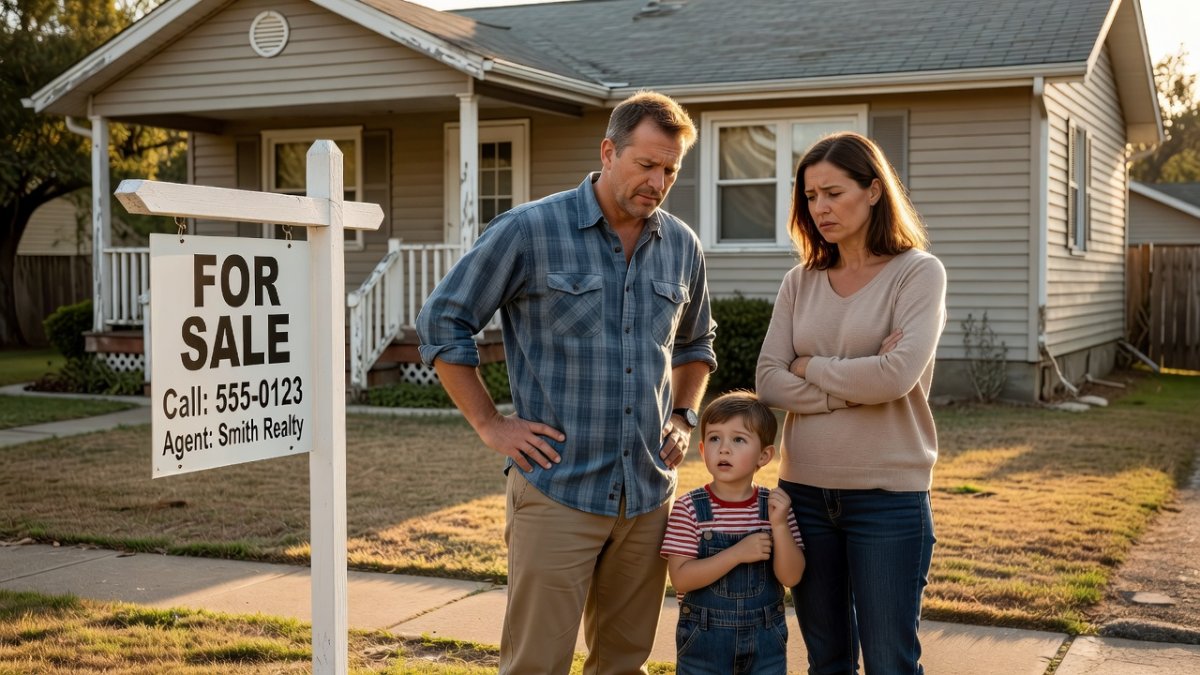
The Housing Squeeze Just Got Real — And It's Not Letting Up
Folks, let's cut straight through the noise. America's housing market isn't recovering — it's grinding people down on two fronts at once. Mortgage rates are still painfully elevated even after a tiny dip, and a fresh Harvard report lays bare how renters are getting crushed under costs that have outrun their paychecks for decades. This isn't some abstract economic footnote. It's families stuck paying more than half their income just to keep a roof overhead. The numbers don't lie, and neither will I.
The Mortgage Rate Picture: Lower Than Last Year, Still Brutal
Take a hard look at the latest Freddie Mac Primary Mortgage Market Survey from June 18, 2026. The 30-year fixed mortgage rate sits at 6.47 percent. That's down from 6.52 percent the week before and, yes, down from 6.81 percent a year ago. Anyone claiming these rates are "miles above" last year's levels is flat-out wrong — the comparison runs the other direction. Still, 6.47 percent remains punishing for buyers trying to stretch into a home. The 15-year fixed-rate mortgage clocks in at 5.81 percent, offering a sliver of relief for those who can swing the higher monthly payment. But don't kid yourself: these figures keep monthly costs sky-high compared with the sub-3 percent era many homeowners locked in during the pandemic. The market feels subdued because it is. Rates have eased only modestly, and that small drop from 6.81 percent a year ago hasn't unlocked the floodgates of affordability anyone was hoping for.
The Harvard Report Drops a Hammer on Renters
Now shift to the renters — the half of America that doesn't get to build equity while prices climb. The Harvard Joint Center for Housing Studies State of the Nation's Housing 2026 report, led by Daniel McCue, paints a picture of a market that's been "subdued" for years running. Household growth fell for the third straight year in 2025, signaling young adults and families are delaying moves because nothing pencils out. On the rental side, 22.7 million renter households — that's 49 percent — spend more than 30 percent of their income on housing. An eye-watering 12.1 million, or 26 percent, spend more than 50 percent. That last figure marks an all-time high for what researchers call "severely burdened" renters. Since 2001, inflation-adjusted median rents have jumped 21 percent while renter incomes have risen just 2 percent. Let that sink in. Two decades of essentially flat real income growth against a 21 percent rent spike. McCue's team isn't sugarcoating it: the system is rigged against the very people who need stable housing most.
Home Prices Keep Setting Records Despite the Pressure
Prices aren't helping the cause either. The National Association of Realtors reported the median home price hit a fresh record in May at $429,300. That's up from the Q1 2026 median sales price of $403,200. We're not talking about a cooling market here — we're talking about a market that refuses to bend even as rates hover near 6.5 percent. Buyers who can qualify are still competing in a thin inventory environment, and sellers who bought low aren't eager to trade down into higher-rate loans. The result? A stalemate that keeps prices elevated and locks out the next generation of owners.
The Lock-In Effect Shows Signs of Cracking
Here's one bright spot worth watching. A Fast Company/TurboHome survey found 47 percent of homeowners are now open to selling. That's a meaningful shift from the depths of the lock-in effect, when rates sat far below today's levels and owners refused to budge. Only 14 percent of respondents expect local home prices to decline 4 percent or more this year, suggesting most still see values holding or rising. The psychological grip is loosening, but not fast enough to flood the market with listings. When nearly half the homeowner base signals willingness to move, though, you start to see daylight — especially if rates continue their slow descent.
What's Ahead: Forecasts Point to Modest Relief by Year-End
Forecasters at the Mortgage Bankers Association, NAR, and Fannie Mae are all pointing to 30-year rates landing between 5.75 and 6.00 percent by the end of 2026 if the economy slows as expected. That would mark real progress from the current 6.47 percent, but it still leaves monthly payments well above what many households can comfortably carry. The Harvard report's subdued tone aligns with this outlook: household formation remains weak, and the renter burden numbers aren't reversing overnight. We're not headed for a crash — we're headed for a long, grinding period where only those with strong incomes or existing equity get ahead. Everyone else keeps treading water.
What You Can Do Right Now
So what can regular people actually do instead of just watching the numbers tick by? First, if you're a renter spending more than 30 percent of income on housing, run the numbers on whether a move to a lower-cost area or a roommate situation could free up cash flow — even temporarily. Second, homeowners sitting on low-rate mortgages should calculate exactly what selling and buying at 6.47 percent would cost before assuming they're stuck forever; 47 percent of your peers are already running those spreadsheets. Third, anyone eyeing a purchase should get pre-approved at multiple lenders this month and compare the 15-year option at 5.81 percent against the 30-year — the interest savings can be substantial if you can handle the payment. Fourth, track the weekly Freddie Mac release like clockwork; every tenth of a point matters when you're financing hundreds of thousands. Finally, push local officials on zoning and permitting reform — the supply shortage didn't happen by accident, and it won't fix itself without policy pressure.
Bottom Line
The housing affordability crisis isn't a future problem — it's today's reality, backed by 6.47 percent mortgage rates that are down from last year yet still punishing, 26 percent of renters severely cost-burdened at an all-time high, and median prices at $429,300. The Harvard data and Freddie Mac survey together tell the same story: incomes haven't kept pace, supply remains tight, and the lock-in effect is only beginning to ease. This market rewards those who act with clear eyes and punishes wishful thinking. Stay sharp, run your own numbers, and don't wait for Washington or Wall Street to hand you a break that isn't coming. By Jessica Ali, Lead Anchor — Global 1 News
This article was produced with AI-assisted research and editorial support. Reporting is based on sources cited in the article.
What's Your Reaction?
 Like
0
Like
0
 Dislike
0
Dislike
0
 Love
0
Love
0
 Funny
0
Funny
0
 Wow
0
Wow
0
 Sad
0
Sad
0
 Angry
0
Angry
0

Editor-in-Chief at Global1.News. Atlanta-based journalist who cuts through the BS and tells it like it is. Lead anchor, host, and the voice you hear when the spin stops and the truth starts.














Comments (0)