
Beyond Gaza: The expanding geography of displacement
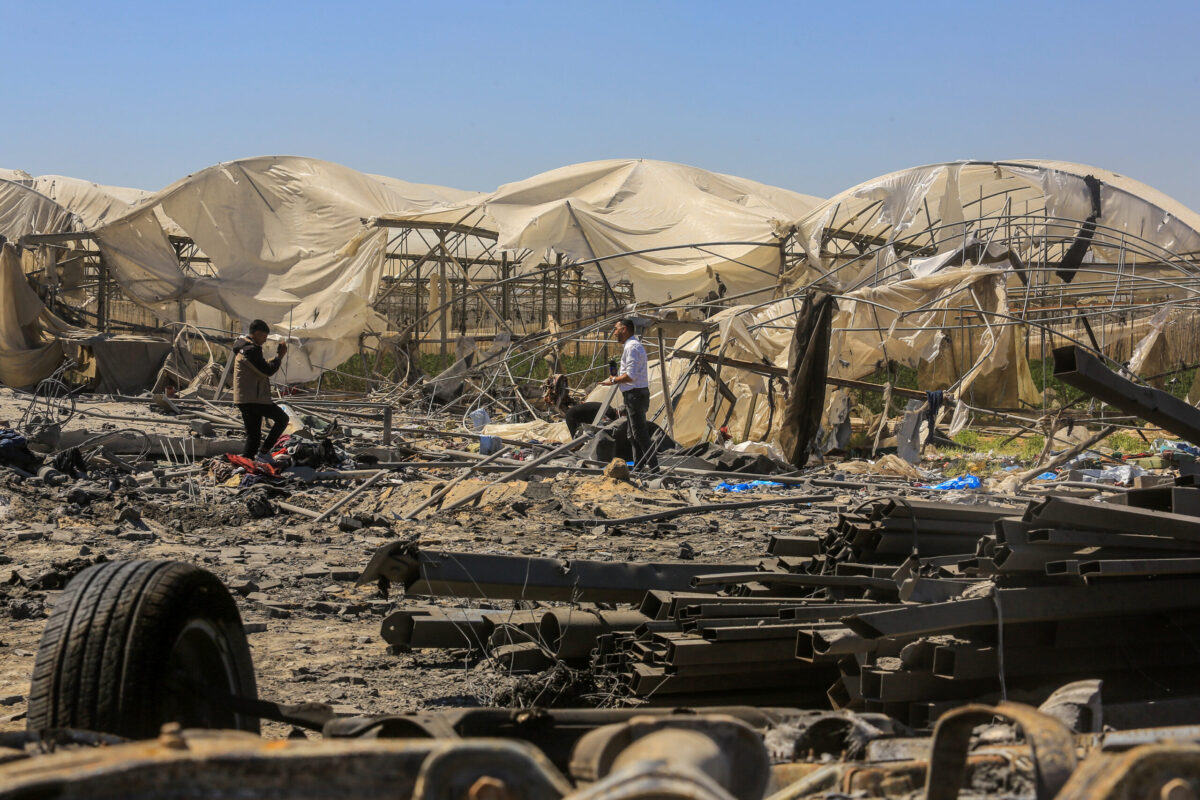
Displacement Patterns Across the Eastern Mediterranean
The ongoing war between Israel and Hamas, which began after the October 7, 2023 attacks, has produced large-scale internal displacement inside Gaza and measurable population movements in adjacent areas. As of mid-2025, the United Nations Relief and Works Agency and the International Organization for Migration report more than 1.9 million people displaced within Gaza, while smaller but documented shifts have occurred along the Israel-Lebanon border and in parts of the West Bank. Israeli operations against Hamas in Gaza followed the killing of approximately 1,200 people and the taking of 251 hostages on October 7, according to Israeli government figures corroborated by multiple Western intelligence assessments. Evacuation orders issued by the Israel Defense Forces have repeatedly directed civilians away from active combat zones, producing repeated cycles of movement within the territory. Separate fighting between Israel and Hezbollah along the northern border displaced roughly 60,000 Israeli residents and comparable numbers of Lebanese residents, per Lebanese government and Israeli sources.Background on Regional Movements
Displacement in the current phase traces to the Hamas-led assault and Israel’s subsequent military response. Gaza’s pre-war population of about 2.3 million had already experienced prior rounds of conflict in 2008-09, 2012, 2014, and 2021. The West Bank has seen lower-level but persistent friction involving Israeli settlements, Palestinian Authority governance, and militant groups. Lebanon’s southern border has been shaped by Hezbollah’s military infrastructure since 2006. Official statements from the U.S. State Department and European Union foreign ministries have consistently framed the current displacements as consequences of active hostilities rather than a coordinated regional restructuring plan. Israeli officials, including Defense Minister Yoav Gallant in briefings reportBy Fatima Al-Rashid, Staff Writer
This article was produced with AI-assisted research and editorial support. Reporting is based on sources cited in the article.
What's Your Reaction?
 Like
0
Like
0
 Dislike
0
Dislike
0
 Love
0
Love
0
 Funny
0
Funny
0
 Wow
0
Wow
0
 Sad
0
Sad
0
 Angry
0
Angry
0

Fatima Al-Rashid
Gulf/MENA Correspondent at Global1.News. Based in Doha, covering Gulf politics, energy markets, diplomacy, and development across the Middle East and North Africa. Tracks the economic transformation of the Gulf states.













Comments (0)