
When rights are sold back as concessions
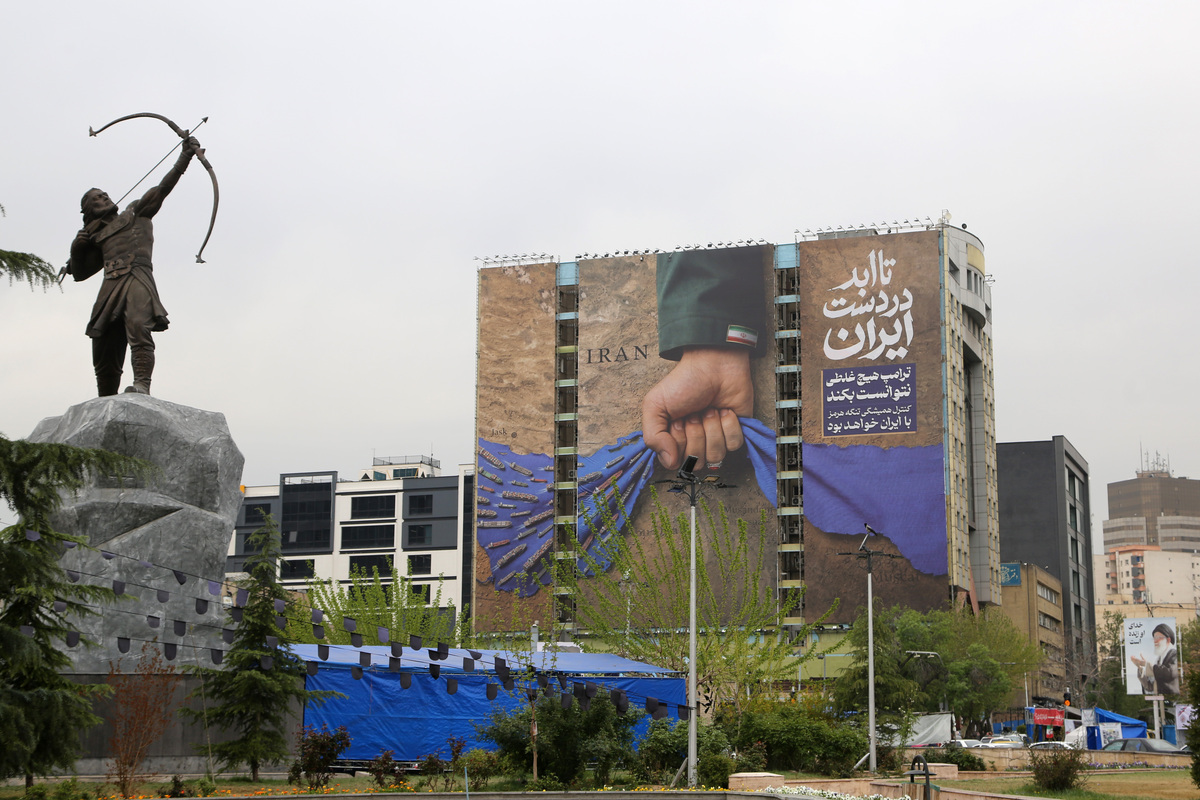
When rights are sold back as concessions
Iran is entering a post-conflict phase following the June 2024 exchanges with Israel, during which a de facto ceasefire has held since late June. Governments and international actors are now framing limited agreements on sanctions relief and nuclear oversight as evidence of stability, while concerns persist that core rights protections for citizens and regional actors may be traded in negotiations.
The quieter risk lies in the normalization of concessions that erode established human rights benchmarks without formal accountability mechanisms.
The Ceasefire Context
The period after direct missile exchanges between Iran and Israel saw no further large-scale strikes as of early July 2024. Iranian officials, including Foreign Minister Abbas Araghchi, stated in a July 2 press conference that Tehran had no immediate plans for additional retaliation provided Israeli forces refrained from further action. Israeli Prime Minister Benjamin Netanyahu described the period as a “return to deterrence” in remarks to the Knesset on July 1. International Atomic Energy Agency Director General Rafael Grossi visited Tehran on July 5 for technical talks on monitoring access. A joint statement released by the IAEA and Iran’s Atomic Energy Organization noted “expanded verification activities” at three sites but did not reference broader human rights monitoring.Background on Rights and Negotiations
Iran has faced successive rounds of sanctions since 2018, when the United States withdrew from the Joint Comprehensive Plan of Action. UN Human Rights Council reports from 2022 and 2023 documented restrictions on freedom of expression, assembly, and due process, particularly affecting women, ethnic minorities, and political detainees. During previous sanction-relief periods, such as after the 2015 JCPOA, Iranian authorities released some prisoners but maintained core legal frameworks criticized by groups including Amnesty InternaBy Fatima Al-Rashid, Staff Writer
This article was produced with AI-assisted research and editorial support. Reporting is based on sources cited in the article.
What's Your Reaction?
 Like
0
Like
0
 Dislike
0
Dislike
0
 Love
0
Love
0
 Funny
0
Funny
0
 Wow
0
Wow
0
 Sad
0
Sad
0
 Angry
0
Angry
0
Fatima Al-Rashid
Gulf/MENA Correspondent at Global1.News. Based in Doha, covering Gulf politics, energy markets, diplomacy, and development across the Middle East and North Africa. Tracks the economic transformation of the Gulf states.










Comments (0)