
What Abraham refused: The Ishmaels of the modern world
The Incident
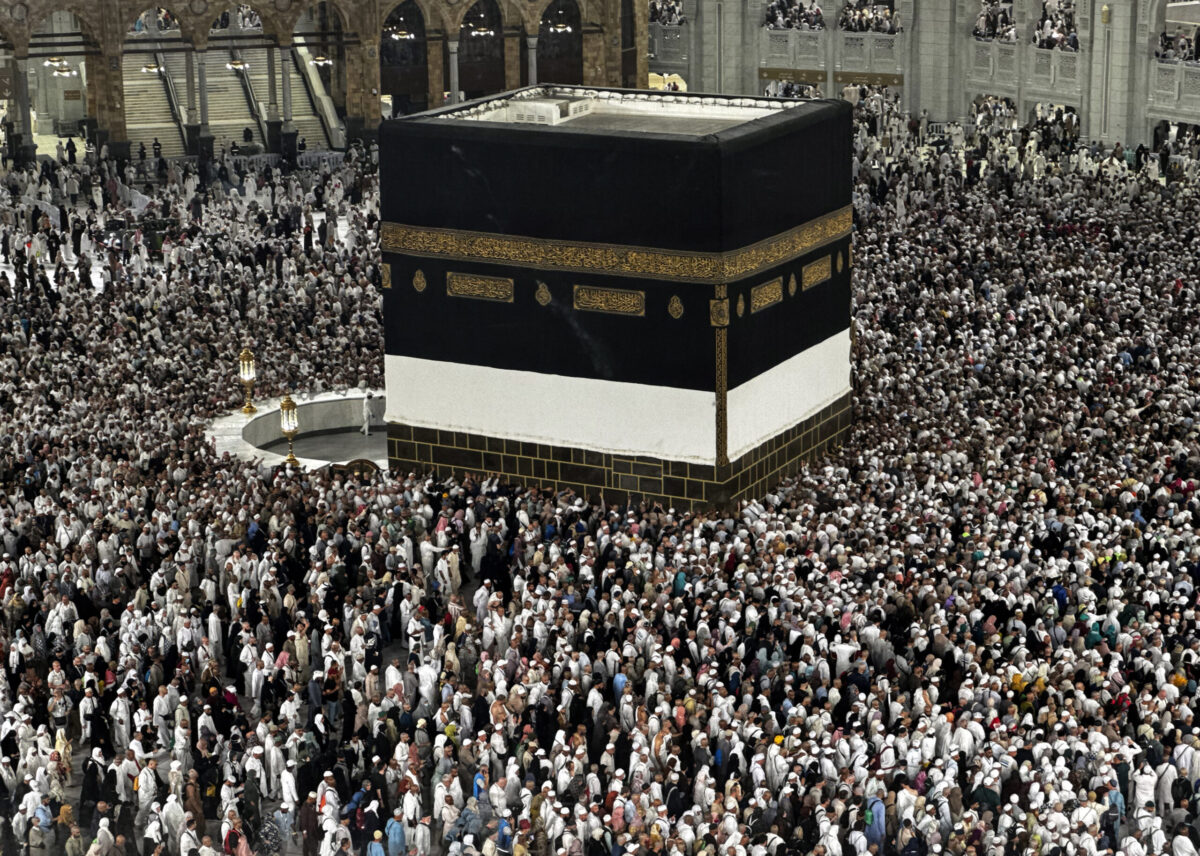
Millions of Muslims worldwide began preparations for Eid al-Adha on or around 16 June 2024, marking the annual commemoration of Prophet Abraham’s willingness to submit to divine command and the subsequent sparing of his son Ishmael. The observance, observed through ritual animal sacrifice and distribution of meat to the needy, underscores a central moral element of the narrative: the refusal to carry out the sacrifice of a child. Eid al-Adha coincides this year with continued armed conflict in Gaza, where the UN Office for the Coordination of Humanitarian Affairs has documented more than 14,000 children killed since October 2023 according to figures reported by the Palestinian Ministry of Health and verified in part by independent monitors. UNICEF has stated that children represent a significant share of civilian casualties in the enclave. These developments occur against the backdrop of the religious festival that explicitly celebrates the preservation of a child’s life.Background
The Quranic account in Surah As-Saffat describes Abraham’s vision commanding the sacrifice of his son, traditionally understood in Islamic tradition as Ishmael. At the moment of intended compliance, a ram is provided in the child’s place. Islamic scholars, including those cited by Al-Azhar University in Cairo, emphasize that the story illustrates both submission and the ultimate divine intervention that prevents the act. Similar narratives appear in the Hebrew Bible and are referenced in Christian texts, forming a shared Abrahamic motif across religious communities. The festival is marked by the slaughter of livestock whose meat is divided into three portions for family, friends, and the poor. Official statements from the Saudi Press Agency have described the 2024 Hajj season, which culminates in Eid al-Adha rites at Mina, as involving over 1.8 million pilgrims. In the West Bank, the Palestinian AutBy Fatima Al-Rashid, Staff Writer
This article was produced with AI-assisted research and editorial support. Reporting is based on sources cited in the article.
What's Your Reaction?
 Like
0
Like
0
 Dislike
0
Dislike
0
 Love
0
Love
0
 Funny
0
Funny
0
 Wow
0
Wow
0
 Sad
0
Sad
0
 Angry
0
Angry
0
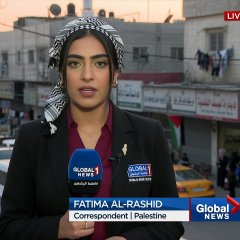
Fatima Al-Rashid
Gulf/MENA Correspondent at Global1.News. Based in Doha, covering Gulf politics, energy markets, diplomacy, and development across the Middle East and North Africa. Tracks the economic transformation of the Gulf states.












Comments (0)