
Anthropic Mythos Shutdown Hits Japan AI Strategy Hard
The Scope of the U.S. Government Order on Mythos The U.S. government issued a sweeping order requiring Anthropic to terminate or restrict foreign access to its frontier AI model Mythos. This directive marks an unprecedented step in controlling the distribution of advanced artificial intelligence systems developed by American companies. Japan Times reporting from June 14, 2026,
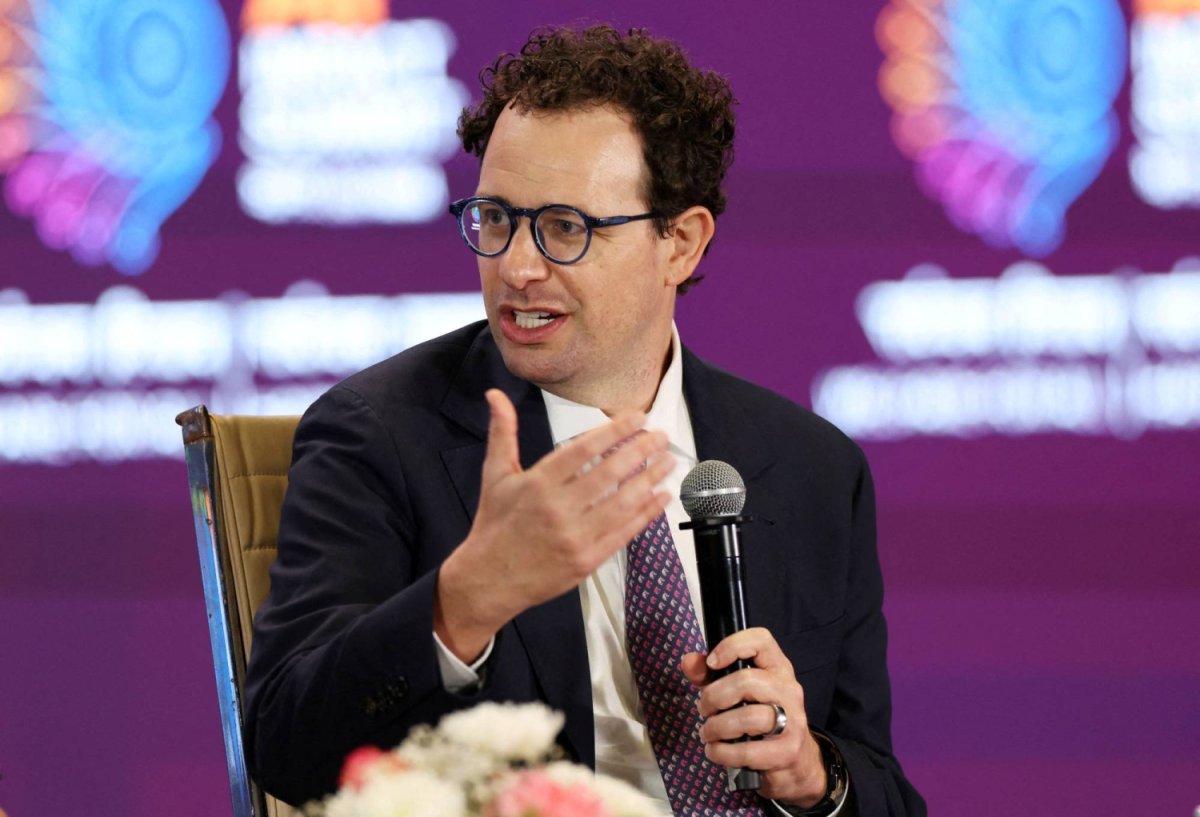
The Scope of the U.S. Government Order on Mythos
The U.S. government issued a sweeping order requiring Anthropic to terminate or restrict foreign access to its frontier AI model Mythos. This directive marks an unprecedented step in controlling the distribution of advanced artificial intelligence systems developed by American companies. Japan Times reporting from June 14, 2026, noted that such measures had never previously been applied at this scale to frontier models.
Anthropic, based in San Francisco, must now implement controls that limit how entities outside the United States interact with Mythos. The order focuses on preventing broad foreign access while allowing continued domestic use within the United States. Details on enforcement mechanisms remain limited at this stage, with phased implementation expected rather than immediate full cutoff.
Background on Mythos and International Reactions
Mythos drew global attention after its capabilities prompted world leaders to evaluate potential security risks. The New York Times reported on April 22, 2026, that the model had set off alarms across multiple governments. Access had been granted only to Britain outside the United States, with the Bank of England participating in risk assessments of the system.
Anthropic, founded in 2021 by Dario Amodei as CEO and Daniela Amodei as President, built its reputation on the Claude series of large language models. Expected investments from Nvidia and Microsoft reaching up to $15 billion underscored the commercial stakes surrounding its frontier work. The current restrictions on Mythos therefore affect not only immediate users but also the broader trajectory of these partnerships.
Immediate Effects on Japanese Companies and Research Institutions
Japanese firms and research institutions that rely on Anthropic models now face disrupted workflows. Organizations previously integrating Claude-series tools into enterprise applications must identify alternative providers or negotiate restricted access pathways. The order does not specify exact timelines for all foreign users, creating uncertainty for planning cycles at companies such as those in the automotive and electronics sectors.
Research collaborations involving Mythos-level capabilities have been paused pending clarification. Japanese universities and national laboratories that had begun exploratory projects now require new compliance frameworks. This situation highlights the dependence many Japanese entities developed on U.S. frontier models in recent years.
METI Response and Adjustments to National AI Strategy
The Ministry of Economy, Trade and Industry (METI) has begun internal reviews of how the U.S. order intersects with Japan’s existing AI promotion policies. Officials are examining supply-chain vulnerabilities created by reliance on a single American provider for advanced model access. METI statements emphasize the need for diversified technology sourcing without announcing specific new funding allocations at this early stage.
Japan’s broader AI strategy, coordinated across METI and other agencies, now incorporates contingency planning for similar future restrictions. The episode reinforces ongoing discussions about balancing international collaboration with safeguards for critical technologies. METI continues to monitor developments through established channels with U.S. counterparts.
Acceleration of Domestic AI Development Efforts
The restrictions are likely to speed up Japan's push for greater domestic AI capacity. Government-backed initiatives focused on building sovereign large language models may receive renewed priority. Corporate Japan, including major technology and manufacturing groups, is reassessing investment timelines for homegrown infrastructure that reduces external dependencies.
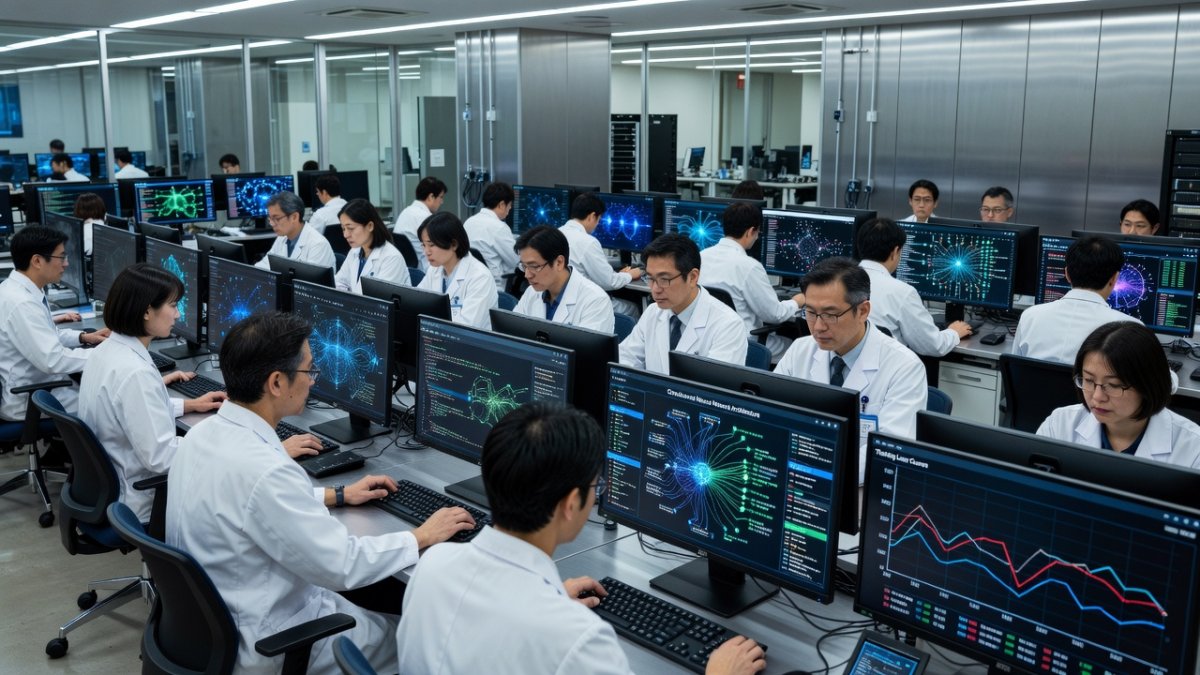
While full self-sufficiency remains distant, targeted projects in specialized domains such as robotics integration and materials science applications are advancing. These efforts align with long-standing METI goals of strengthening national technological resilience. Progress will depend on sustained public-private coordination and talent development programs already underway.
Japan’s Partnerships with Asian Nations on AI Sovereignty
Japan is exploring deeper technical cooperation with other Asian economies to support AI sovereignty objectives. Discussions with partners in South Korea, Singapore, and Taiwan center on shared standards for model evaluation and secure data handling. These conversations predate the current order but have gained urgency following the Mythos restrictions.
Joint research frameworks could allow participating nations to pool resources for next-generation systems while maintaining control over sensitive applications. METI has historically supported such regional initiatives through multilateral forums. Outcomes will hinge on aligning regulatory approaches and protecting intellectual property across borders.
Broader Implications for US-Japan Technology Transfer
The order introduces new considerations for technology transfer arrangements between the United States and Japan. Existing agreements on dual-use technologies may require updated review processes to account for frontier AI controls. Japanese firms with longstanding ties to U.S. research institutions are evaluating how access limitations could affect joint development roadmaps.
At the same time, core areas of bilateral cooperation in semiconductors and cybersecurity continue without immediate disruption. Policymakers on both sides recognize the value of maintaining open channels for lower-risk technologies. The Mythos episode serves as a case study for refining future collaboration protocols rather than halting them.
Tags: Anthropic Mythos, US AI order, Japan AI strategy, METI, Claude models, US-Japan tech, domestic AI, Asian partnerships
By Kenji Tanaka, Staff Writer
This article was produced with AI-assisted research and editorial support. Reporting is based on sources cited in the article.
What's Your Reaction?
 Like
0
Like
0
 Dislike
0
Dislike
0
 Love
0
Love
0
 Funny
0
Funny
0
 Wow
0
Wow
0
 Sad
0
Sad
0
 Angry
0
Angry
0

Japan Correspondent at Global1.News. Tokyo-based voice covering Japanese politics, technology, economy, and culture. Tracks the intersection of tradition and innovation in one of the world's most dynamic societies.













Comments (0)