
Zaynich Wins US FDA Nod: Wockhardt's Antibiotic Breakthrough
On June 12, 2026, the US Food and Drug Administration approved Zaynich, a novel injectable antibiotic developed by Mumbai-based Wockhardt, marking the first time an Indian drugmaker has discovered and developed an entirely new chemical entity to receive FDA clearance. The drug targets complicated urinary tract infections caused by Gram-negative superbugs that have grown resista
On June 12, 2026, the US Food and Drug Administration approved Zaynich, a novel injectable antibiotic developed by Mumbai-based Wockhardt, marking the first time an Indian drugmaker has discovered and developed an entirely new chemical entity to receive FDA clearance. The drug targets complicated urinary tract infections caused by Gram-negative superbugs that have grown resistant to existing treatments, offering a critical new weapon in the global fight against antimicrobial resistance.
Zaynich Wins US FDA Approval: Wockhardt's Breakthrough Antibiotic Targets Drug-Resistant Superbugs
New Delhi, India – June 12, 2026 —
The Escalating Antimicrobial Resistance Crisis in India
Antimicrobial resistance now claims more than 35,000 lives annually in the United States alone, with over 2.8 million resistant infections recorded each year. In India the burden is far heavier: more than 100 million urinary tract infection cases occur annually, many driven by Gram-negative “nightmare bacteria” such as Escherichia coli, Klebsiella pneumoniae and Pseudomonas aeruginosa. These pathogens routinely evade last-line carbapenems, leaving clinicians with few options.
The Ministry of Health and the Indian Council of Medical Research have repeatedly warned that unchecked resistance threatens both routine surgeries and intensive-care outcomes across states from Maharashtra to Tamil Nadu. Without new agents, Indian taxpayers face rising hospitalisation costs and longer treatment durations that strain already stretched public-health budgets.
Zaynich: India’s First Fully Homegrown New Chemical Entity
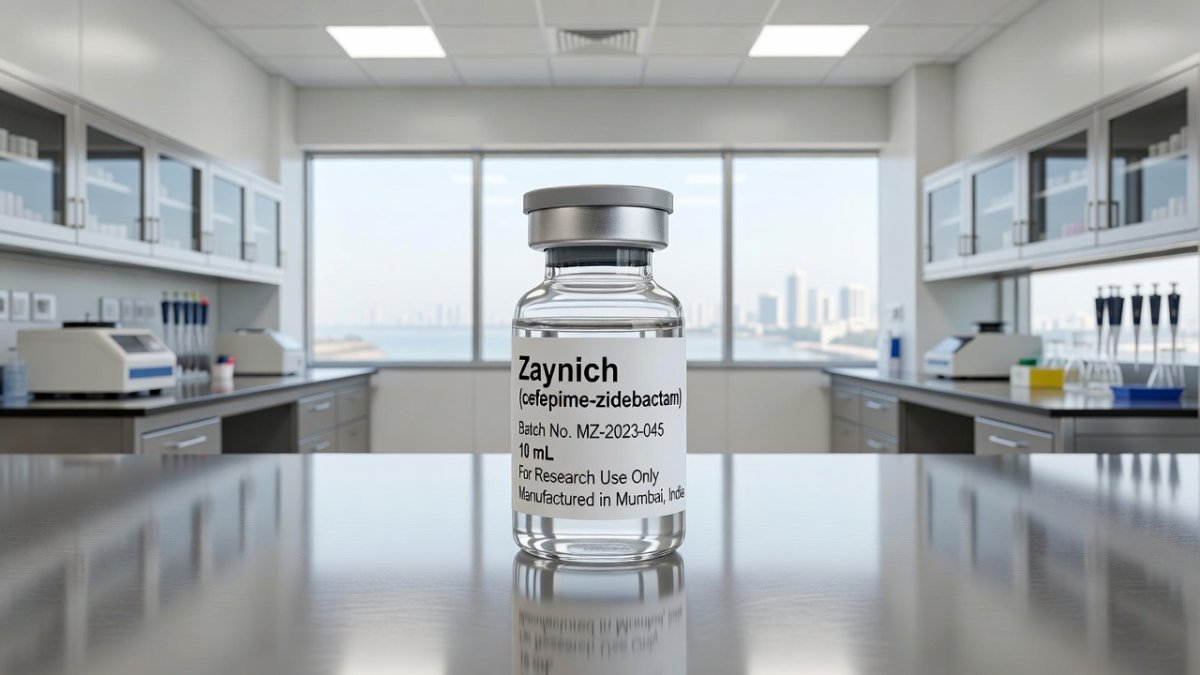
Mumbai-based Wockhardt has delivered Zaynich, an injectable combination of the fourth-generation cephalosporin cefepime and the novel beta-lactam enhancer zidebactam. This marks the first instance of an Indian drugmaker discovering and developing an entirely new chemical entity that has secured US FDA approval. The molecule employs a multi-target mechanism, binding several penicillin-binding proteins simultaneously and thereby restoring activity against organisms that produce extended-spectrum beta-lactamases and carbapenemases.
Dr. Habil Khorakiwala, founder and chairman of the Wockhardt Group, stated that the approval realises the company’s long-standing mission to deliver novel antibiotics to patients worldwide. The drug received DCGI marketing authorisation in May 2026, positioning India among the earliest markets to access the therapy.
Robust Phase 3 Data from the ENHANCE-1 Trial
The pivotal ENHANCE-1 study enrolled 530 patients across 64 centres spanning the United States, Europe, Latin America, China and India. In the modified intent-to-treat population, 89 percent of participants who received Zaynich achieved the composite endpoint of clinical cure plus microbiological response, compared with 68.4 percent for those treated with meropenem. These results held across subgroups infected with multidrug-resistant isolates, underscoring the agent’s utility against precisely the pathogens driving India’s rising resistance rates.
Dr. Dennis Deruelle, Chief Medical Officer at Wockhardt, emphasised that the threat of drug-resistant infections constitutes an escalating global crisis requiring precisely such differentiated mechanisms.
Regulatory Pathway, Pricing and Access Questions
Following DCGI clearance, Wockhardt has submitted Zaynich for review by the European Medicines Agency. In the United States the list price ranges between 10,000 and 12,000 dollars per treatment course. The corresponding Indian price remains unannounced, yet the company’s track record with other hospital products suggests a tiered-pricing model that could improve affordability for government hospitals and state insurance schemes such as Ayushman Bharat.
Indian policymakers now face a familiar tension: balancing intellectual-property incentives for domestic innovators with the imperative to keep essential medicines accessible to the wider population.
Strategic Implications for Indian Healthcare and Research
Zaynich’s approval validates the scientific capacity of Indian pharmaceutical research beyond generic manufacturing. It also highlights the need for sustained public-private collaboration involving the Department of Biotechnology, ICMR and DRDO laboratories to accelerate similar programmes targeting other resistant phenotypes. For patients in cities such as Mumbai, Delhi and Bengaluru, the drug offers a new therapeutic option that could shorten hospital stays and reduce the economic burden on families already navigating high out-of-pocket expenditure.

Embedding the Antibiotic Resistance Crisis in Public Discourse
The India Today documentary “The Antibiotic Resistance Crisis: Are We Running Out of Cures?” places these developments in stark relief, showing how everyday infections in Indian hospitals are becoming untreatable. Zaynich’s arrival supplies one concrete answer, yet sustained stewardship, rapid diagnostics and continued investment in discovery remain essential if the country is to protect its citizens from the next wave of resistant pathogens.
— By Dr. Raj Patel, Staff WriterThis article was produced with AI-assisted research and editorial support. Reporting is based on sources cited in the article.
What's Your Reaction?
 Like
0
Like
0
 Dislike
0
Dislike
0
 Love
0
Love
0
 Funny
0
Funny
0
 Wow
0
Wow
0
 Sad
0
Sad
0
 Angry
0
Angry
0

India/South Asia Correspondent at Global1.News. Analytical voice with a background in science and health journalism. Based in New Delhi, covering Indian politics, education, healthcare, technology, and policy. Breaks down complex data into clear, actionable reporting.















Comments (0)