
El Niño Officially Under Way — Threatens Extreme Weather Across Latin America
El Niño Officially Declared Under Way by US Scientists The US National Oceanic and Atmospheric Administration has confirmed that El Niño conditions are now under way in the tropical Pacific. Sea surface temperatures have risen sharply in recent months and crossed the 0.5C-above-average threshold used to define the event. This development follows the end of the cooler La Niña ph
El Niño Officially Declared Under Way by US Scientists
The US National Oceanic and Atmospheric Administration has confirmed that El Niño conditions are now under way in the tropical Pacific. Sea surface temperatures have risen sharply in recent months and crossed the 0.5C-above-average threshold used to define the event. This development follows the end of the cooler La Niña phase earlier this year and aligns with long-standing forecasts from multiple agencies.
NOAA noted that winds above the equatorial Pacific have begun to shift, indicating that the atmosphere is responding to the warmer ocean waters. The agency stated that El Niño conditions developed over the past month, shown by above-average sea surface temperatures across the central to eastern equatorial Pacific Ocean. This official declaration carries direct implications for weather patterns across Latin America, where shifts in rainfall and temperature often affect agriculture, water resources, and daily life in countries from Peru to Brazil.
Forecasts Point to Potentially Very Strong Event
Computer models from the United States and Europe show a 63 percent chance of a very strong El Niño during November through January, according to NOAA's June outlook. Such an event would rank among the largest since records began in 1950. The three strongest previous events occurred in 1982/83, 1997/98, and 2015/16. Some projections indicate temperatures in the tropical Pacific could climb more than 3C above average by the end of the year.
NOAA urged caution, noting that even very strong El Niño events do not produce expected impacts everywhere, though stronger events can tilt the odds more significantly toward typical outcomes. Researchers have expressed surprise at how confident the models already appear regarding the event's potential strength. This uncertainty requires careful monitoring by agencies across South America as the season progresses.
Heightened Risks for Drought and Wildfires in Northern South America
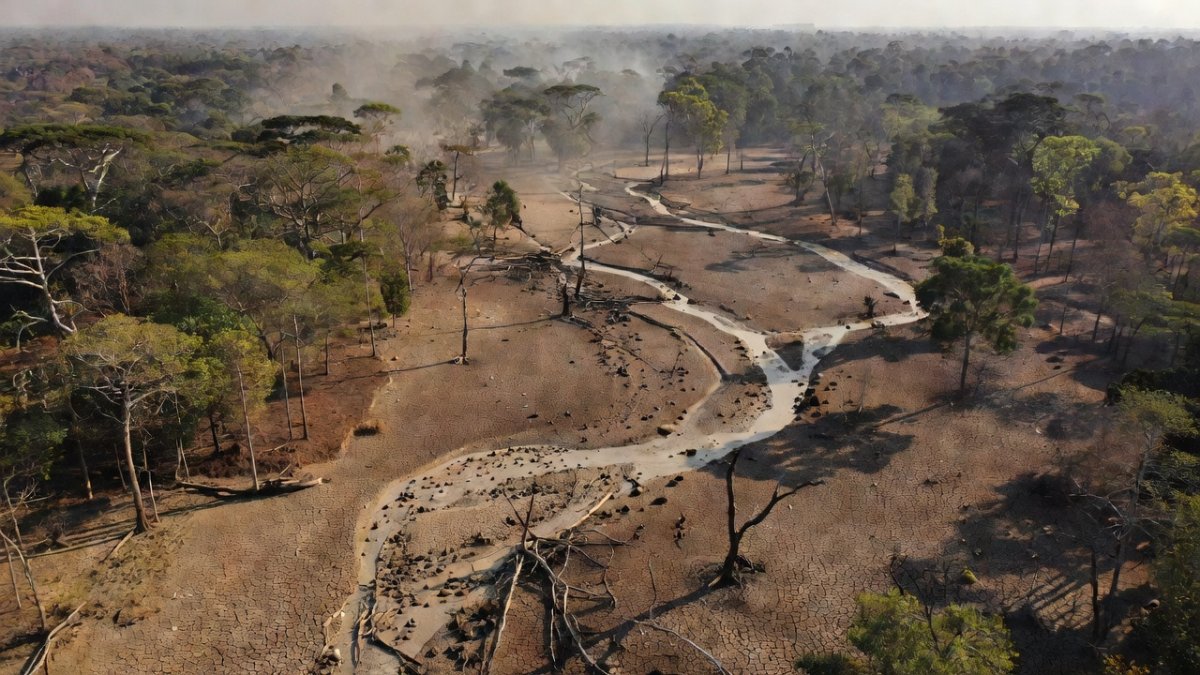
El Niño typically raises the risk of drought and wildfire across much of northern South America, including areas of the Amazon rainforest that span Brazil, Colombia, and Peru. These conditions can disrupt farming communities and threaten biodiversity in one of the world's most critical ecosystems. In Brazil, reduced rainfall in the Amazon basin often strains water supplies for cities such as Manaus and affects transportation along major rivers.
The combination of El Niño with ongoing global warming increases the chance of unprecedented temperatures in affected regions. Prof Adam Scaife of the UK Met Office noted that the current event rides on top of substantial global warming, meaning actual temperatures could reach levels not previously experienced. For rural populations in states like Amazonas and Pará, this translates to heightened concerns over crop yields and forest fires that can spread rapidly under dry conditions.
Brazilian environmental agencies, including IBAMA and ICMBio, routinely track such patterns because they influence enforcement of protections in the Amazon. Prolonged dry spells also affect indigenous territories and small-scale farmers who depend on consistent seasonal rains for their livelihoods.
Flooding Concerns in Peru and Ecuador
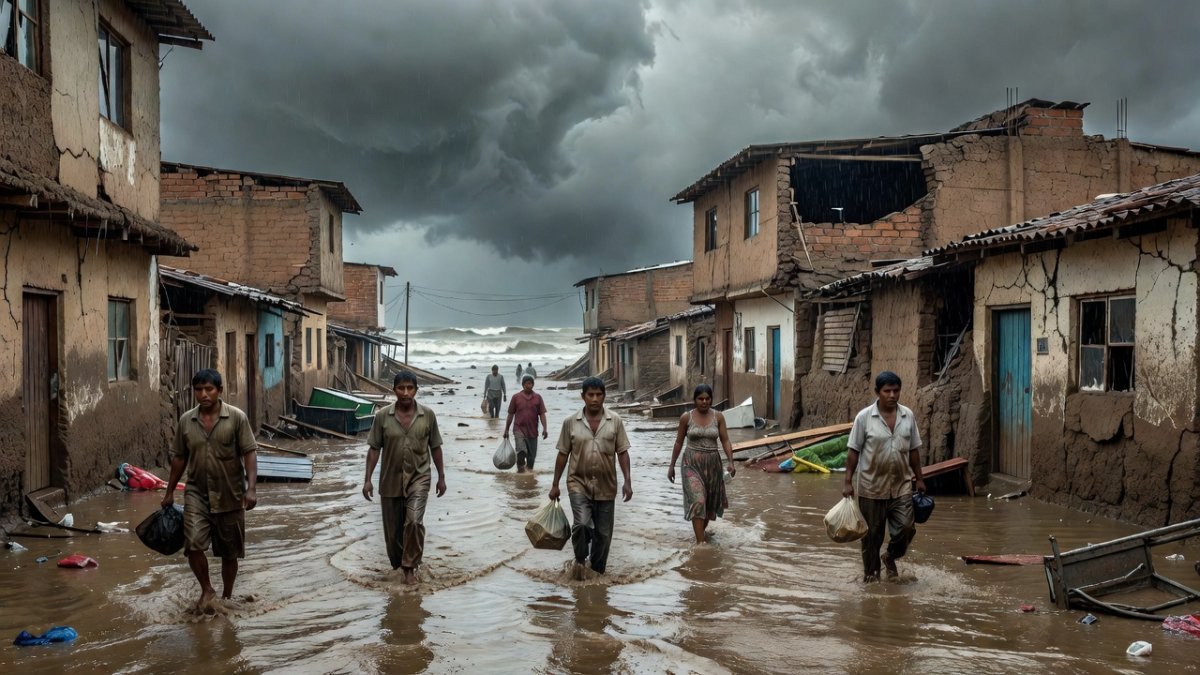
Northern Peru and southern Ecuador face elevated chances of flooding during strong El Niño events. Heavy rains in these areas can damage infrastructure, displace communities, and interrupt fishing and farming activities that form the backbone of local economies. The Ministry of Environment in Peru has historically coordinated responses to such events, preparing drainage systems and early-warning protocols in vulnerable coastal and Andean zones.
These floods often reach parts of East Africa and Central Asia as well, but the immediate effects in western South America tend to arrive first and with greatest intensity. Agricultural losses in these regions can influence food prices across the continent, linking weather in the Pacific directly to markets in Brazil and beyond.
Implications for Agriculture, Food Supplies, and Regional Economies
Disruption to weather patterns under El Niño can affect global food stocks, with drought risks in Indonesia and Australia compounding challenges for importers in Latin America. In Brazil, drier conditions in the north may reduce soybean and corn production in frontier areas, while excessive rain elsewhere could damage harvests in the south. The Ministry of Environment and other agencies monitor these variables because they intersect with national economic planning.
Prof Liz Stephens of the University of Reading highlighted that reduced rainfall in Central America during El Niño can lead to drought conditions, a pattern that sometimes extends influence toward northern South America. Mohamed Adow of Power Shift Africa described an El Niño declaration as a warning for millions facing failed rains, dying crops, and rising food prices, noting particular risks for communities already impacted by recent extremes.
Across the Amazon, these shifts also influence carbon emissions from potential wildfires, adding pressure on Brazil's efforts to meet international climate commitments. Daily life in riverine communities changes as navigation becomes difficult and fish stocks respond to altered water levels.
Outlook Through 2027 and the Role of Climate Change
Scientists expect very high global temperatures at the end of this year and into 2027, with excess heat from El Niño layering on top of existing warming. Prof Scaife indicated that 2027 could see another year above 1.5 degrees of warming above late-19th-century levels. This trajectory matters for Latin American nations already experiencing record heat and shifting rainfall.
Japan's Meteorological Agency has reached a similar assessment to NOAA regarding current El Niño conditions. While the precise strength remains subject to ongoing observation, the event's arrival on a warmer planet amplifies concerns for extreme weather across the tropics. Governments in Brazil and neighboring countries continue to refine adaptation strategies through agencies such as the MMA to protect both urban centers and rural economies from the coming seasons.
By Elena Vasquez, Staff Writer
This article was produced with AI-assisted research and editorial support. Reporting is based on sources cited in the article.
What's Your Reaction?
 Like
0
Like
0
 Dislike
0
Dislike
0
 Love
0
Love
0
 Funny
0
Funny
0
 Wow
0
Wow
0
 Sad
0
Sad
0
 Angry
0
Angry
0

Latin America Correspondent at Global1.News. Based in Mexico City, covering politics, economics, energy, and culture across the region. Brings an on-the-ground perspective to stories spanning from the Rio Grande to Patagonia.















Comments (0)