
VP Sara Impeachment Trial Day 2: Senate Recesses After Defense Objects to Partial Video Evidence
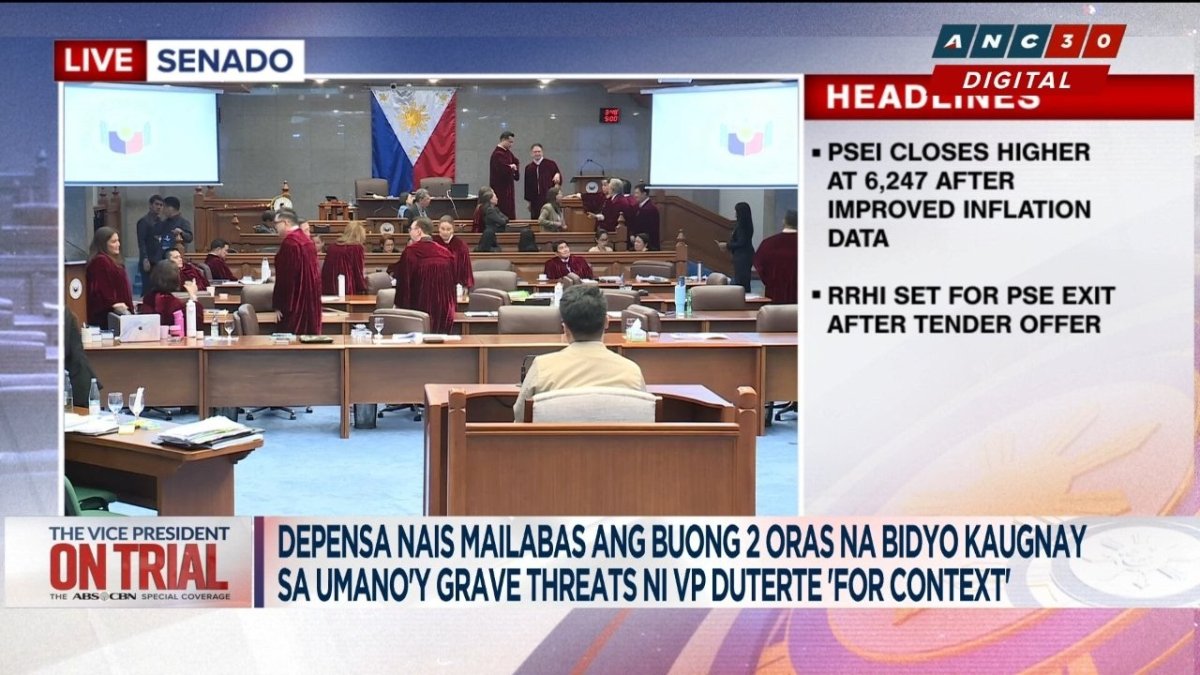
The ANC 24/7 livestream captured the tense moments inside the Senate session hall in Pasay City on Tuesday when the impeachment trial of Vice President Sara Duterte reached its second day. Viewers saw Senator Francis Escudero call a brief recess after the defense team challenged the prosecution's plan to show only a short excerpt from the vice president's full 2-hour, 26-minute
The ANC 24/7 livestream captured the tense moments inside the Senate session hall in Pasay City on Tuesday when the impeachment trial of Vice President Sara Duterte reached its second day. Viewers saw Senator Francis Escudero call a brief recess after the defense team challenged the prosecution's plan to show only a short excerpt from the vice president's full 2-hour, 26-minute Facebook livestream. The scene underscored the high stakes in this historic proceeding that now involves 20 of the 24 senator-judges and centers on four articles of impeachment.
The Video Evidence Dispute
Senate Minority Leader Alan Peter Cayetano raised immediate concerns when prosecutors sought to play a 2-minute, 18-second clip from Vice President Sara Duterte's livestream. He argued that the Senate impeachment court needed to review the complete recording to fairly judge whether any statements amounted to grave threats against President Ferdinand Marcos Jr. The defense team, led by Atty. Sheila Sison and Atty. Nicholas Narvasa, objected strongly, stating that a partial clip would distort the full context of the 2-hour, 26-minute broadcast.
Presiding Officer Senator Francis Escudero ruled that the defense could present the entire livestream during their own evidence phase. This decision allowed the trial to proceed without immediate resolution of the video dispute. The brief recess that followed gave both sides time to regroup before the prosecution continued with its witness lineup.
The objection highlighted procedural tensions that could shape how evidence is handled throughout the coming weeks. Senator-judges must balance the need for complete context against the prosecution's desire to focus on specific statements. Such rulings will influence how the full Senate panel evaluates the grave threats charge listed in Article IV.
Cayetano's intervention on Day 2 echoed his earlier questions on Day 1 about Escudero's role as presiding officer. These exchanges show that even routine evidence matters can trigger broader debates among the 20 senator-judges present in the session hall.
Prosecution Opens Article IV Case
The House prosecution panel, headed by Deputy Speaker Gerville Luistro and including Rep. Lorenz Defensor and Rep. Robert Ace Barbers plus 11 other representatives and 14 private practitioners, began presenting its case on Article IV. This article alleges grave threats against President Marcos Jr. The panel called NBI Senior Agent John Mark Calilung as its first witness to explain how he investigated and authenticated the Facebook livestream.
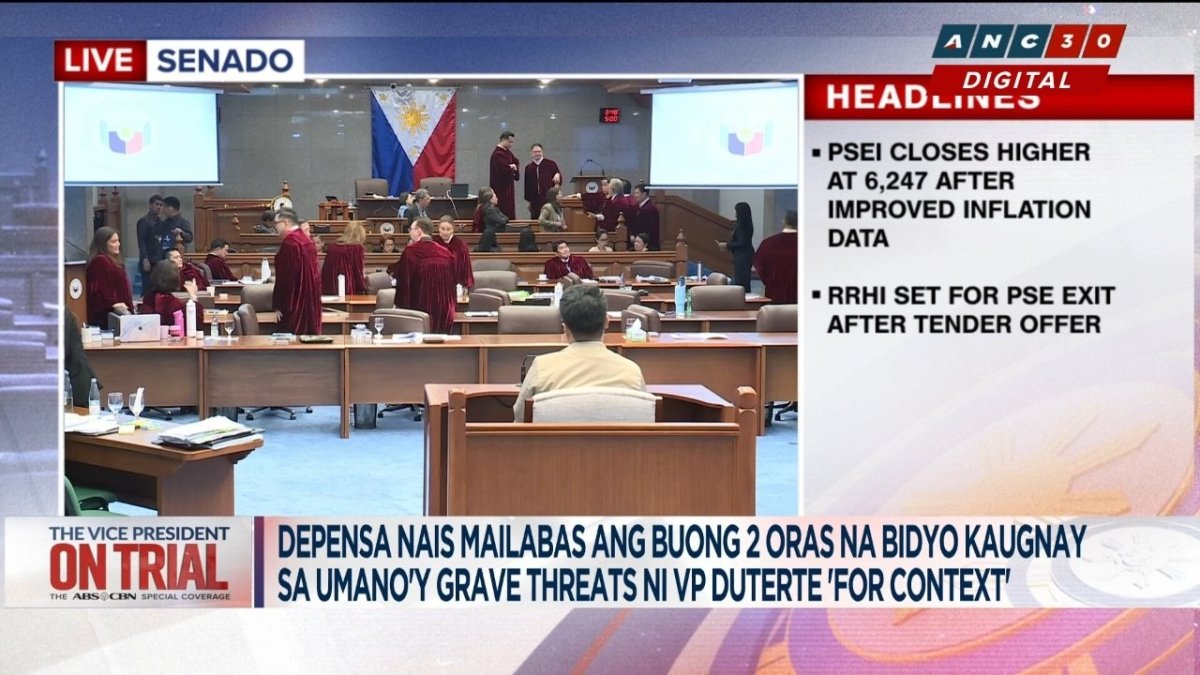
Calilung testified about the technical steps taken to verify the video's origin and integrity. Prosecutors asked detailed questions about timestamps, metadata, and chain of custody. NBI Regional Director Jeremy Lotoc remains under subpoena and is expected to appear later to provide additional authentication details.
The focus on authentication reflects the prosecution's need to establish that the livestream is genuine before senators can weigh its content. Without solid technical foundation, the alleged threats could face challenges on evidentiary grounds. The panel's strategy centers on building this foundation early in the trial.
Rep. Barbers noted during proceedings that the 32 million votes VP Duterte received in 2022 do not exempt any official from legal accountability. This statement framed the prosecution's broader argument that public office carries responsibilities regardless of electoral support.
VP Duterte Present and Defiant
Vice President Sara Duterte attended the Senate session hall on Day 2 after skipping the opening proceedings. She sat with her legal team and maintained a composed presence while the video dispute unfolded. Her earlier public statement that she would remain bloodied but unbowed set the tone for her participation in the trial.
The vice president's attendance signals her intent to confront the charges directly rather than remain absent. As the only Philippine official impeached twice by the House, her visible role in the chamber draws attention from supporters and critics alike. Her presence also allows her to confer immediately with Atty. Sison and Atty. Narvasa during recesses.
Duterte, daughter of former President Rodrigo Duterte, her participation connects to long-standing political dynamics in Mindanao and national politics. Observers in the gallery noted her steady demeanor even as prosecutors outlined the grave threats article. This approach may influence how senator-judges perceive her engagement with the process.
The trial's outcome will affect not only her current position but also her standing among the millions of voters who supported her in 2022. Her decision to attend every session could shape public perception of accountability at the highest levels of government.
Historic Context: A Twice-Impeached Official
This marks the second impeachment trial of Vice President Sara Duterte. The first, filed in February 2025, was later voided by the Supreme Court. The current proceedings represent the first time a sitting Philippine vice president faces an impeachment trial that has reached the Senate stage.
The four articles include grave threats against President Marcos Jr. under Article IV, corruption under Article II, betrayal of public trust, and misuse of confidential funds under Article I. The House approved these articles after months of hearings that examined the vice president's public statements and fund management practices.
The bitter political feud between the Duterte and Marcos families forms the backdrop. What began as an alliance after the 2022 elections fractured over policy differences and personal rivalries. This feud now plays out in the Senate chamber in Pasay City with national implications.
The Supreme Court's earlier ruling created new legal precedents for how future impeachments may proceed. Lawyers on both sides reference that decision when arguing procedural points. The current trial tests whether the Senate can complete a full process that the Court previously interrupted.
Security and Political Stakes
The Philippine National Police deployed 6,000 officers around the Senate complex in Pasay City to maintain order during the trial. Barricades and checkpoints controlled access while supporters and protesters gathered outside. This large security presence reflects the national tension surrounding the proceedings.
The trial's outcome is expected to influence the 2028 presidential race. VP Duterte remains a prominent figure among voters in Davao and other regions where her family maintains strong support. Any Senate decision could reshape alliances ahead of the next national elections.
Senator-judges must navigate these political currents while focusing on the evidence presented. The 20 members present on Tuesday represent a cross-section of the chamber's political spectrum. Their votes on each article will carry weight beyond the immediate verdict.
The deployment of police resources also affects daily operations in Pasay City. Local residents and workers near the Senate complex adjust their routines around the heightened security measures that will continue for weeks or months.
What This Means for Ordinary Filipinos
Families across the country watch the trial with concern about how political instability affects daily life. OFWs sending remittances wonder whether prolonged proceedings could influence economic policies that impact their loved ones back home. Students in public schools supported by DepEd programs follow updates that may shape future governance priorities.
Jeepney drivers and sari-sari store owners in barangays from Cebu to Baguio discuss the case during breaks, connecting national events to local realities. The misuse of confidential funds alleged in Article I resonates with communities that rely on transparent government spending for basic services.
The bayanihan spirit that often unites Filipinos during crises now faces a test as political divisions deepen. Communities that once celebrated unified leadership now navigate conversations about accountability and the rule of law. These discussions occur in homes, workplaces, and public markets nationwide.
Workers in both government and private sectors consider how the trial's duration might affect policy continuity. The weeks or months of proceedings could delay legislative action on issues that directly touch household budgets and community development projects.
What to Watch For
NBI Regional Director Jeremy Lotoc is scheduled to testify next on the livestream authentication process. His testimony will build on Calilung's earlier statements and could address any technical questions raised during cross-examination. Additional House prosecutors are expected to present further evidence on the remaining articles.
The defense team will likely introduce the full 2-hour, 26-minute livestream when it presents its case. This full context may clarify statements that prosecutors highlighted in the shorter clip. Senator-judges will then weigh both versions against the grave threats charge.
The trial is projected to last several weeks to months given the number of witnesses and articles involved. Each session brings new procedural questions that Escudero must resolve while maintaining order among the senator-judges. Public interest remains high as the proceedings continue.
Observers will monitor how the 20 senator-judges respond to future evidence presentations. Their questions and votes will determine whether the articles advance or fall short of the required threshold. The outcome will set precedents for Philippine institutions handling similar high-profile cases in the years ahead.
By Bella Reyes, Staff Writer
This article was produced with AI-assisted research and editorial support. Reporting is based on sources cited in the article.
What's Your Reaction?
 Like
0
Like
0
 Dislike
0
Dislike
0
 Love
0
Love
0
 Funny
0
Funny
0
 Wow
0
Wow
0
 Sad
0
Sad
0
 Angry
0
Angry
0

Philippines/Southeast Asia Correspondent at Global1.News. Manila-based journalist covering Philippine politics, environment, maritime security, and social issues. Passionate about marine conservation and the communities protecting the Philippines' natural heritage.













Comments (0)