
Vodacom Bulls vs Leinster: URC Grand Final 2026 Preview
Keywords: Vodacom Bulls, Leinster, URC Grand Final, Johan Ackermann, Springboks, Croke Park The Stage Is Set: Bulls vs Leinster at Croke Park The Vodacom Bulls will travel to Dublin for the United Rugby Championship Grand Final against Leinster on Friday 19 June 2026, with kick-off set for 20:30 South African time at Croke Park. The iconic venue holds 82,300 spectators and will
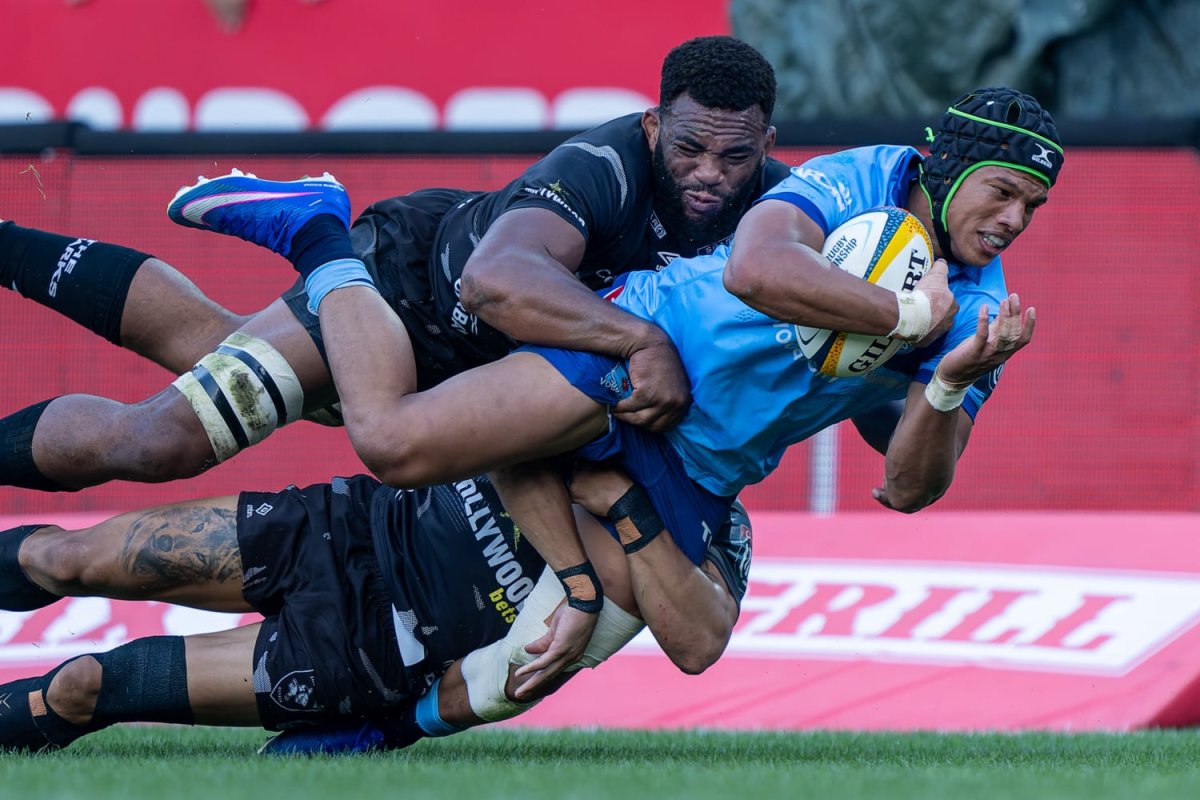
The Stage Is Set: Bulls vs Leinster at Croke Park
The Vodacom Bulls will travel to Dublin for the United Rugby Championship Grand Final against Leinster on Friday 19 June 2026, with kick-off set for 20:30 South African time at Croke Park. The iconic venue holds 82,300 spectators and will host a rematch of the 2025 final that Leinster won 32-7. Referee Andrea Piardi takes charge for his fourth consecutive URC final, bringing experience to a high-stakes clash between two sides that know each other well.
This fixture carries extra weight for South African rugby supporters who have followed the Bulls’ journey through the competition since the franchise joined the league. Croke Park’s atmosphere will be electric, with thousands of travelling fans expected to create a sea of blue in the stands. The timing, late on a Friday evening in South African terms, means supporters back home will gather around screens to watch every moment unfold.
The Bulls arrive with momentum after a strong finish to the season, while Leinster have maintained their position as one of Europe’s most consistent clubs. Both teams understand the physical demands of a final at this level, and the 82,300 capacity crowd will witness a contest shaped by tactical discipline and individual brilliance. Piardi’s appointment adds another layer of familiarity, given his previous high-profile URC appointments.
South African fans view this match as more than a league decider. It represents an opportunity to measure the growth of local rugby against one of the competition’s traditional powerhouses. The journey to Dublin has been long, yet the reward of lifting the trophy in front of such a large audience remains the ultimate prize for the Bulls squad and their supporters.
Ackermann's Springbok-Laden Battle Plan
Head coach Johan Ackermann has named 16 Springboks in the match-day 23 and included 17 Springboks in the wider 32-man squad for the trip to Dublin. Among the World Cup winners travelling are Handre Pollard, Willie le Roux and Kurt-Lee Arendse, providing proven experience at the highest level. The inclusion of these players signals Ackermann’s intent to blend international quality with the franchise’s domestic core.
Marcell Coetzee, recovering from a shoulder issue, and Elrigh Louw, who had been managing a foot problem, have both been declared fit to travel. Their availability strengthens the forward pack and gives Ackermann options in the back row. The full squad list features Alulutho Tshakweni, Akker van der Merwe, Cameron Hanekom, Canan Moodie, Cobus Wiese, Devon Williams, Embrose Papier, Francois Klopper, Gerhard Steenekamp, Harold Vorster, Johan Grobbelaar, Jeandre Rudolph, Jan-Hendrik Wessels, Keagan Johannes, Katlego Letebele, Mpilo Gumede, Mornay Smith, Marco van Staden, Nizaam Carr, Reinhardt Ludwig, Ruan Nortje, Ruan Vermaak, Stedman Gans, Stravino Jacobs, Wilco Louw and Zak Burger.
Ackermann’s selection reflects a deliberate strategy to field a side capable of matching Leinster’s intensity from the opening whistle. The presence of so many Springboks brings leadership and tactical nous, particularly in the set-piece and kicking game. Supporters in South Africa will recognise many familiar names who have performed on bigger stages, and their collective experience could prove decisive in a tight final.
The depth within the 32-man group allows for flexibility should any late adjustments be required. Ackermann has emphasised the importance of every player understanding their role, and the blend of youth and experience in the squad suggests a balanced approach to the challenge ahead.
The Semi-Final Comeback That Forged Belief
The Bulls enter the final on the back of eight consecutive URC victories. Their semi-final performance against Glasgow Warriors at Murrayfield stands out as a defining moment, where they trailed 21-3 before mounting a comeback to win 22-21. They held Glasgow scoreless for the final 55 minutes, demonstrating defensive organisation and mental resilience under pressure.
That result followed a regular season in which the Bulls finished fourth with 59 points. Leinster, who ended the regular season second with 63 points, defeated the Stormers 20-11 in their own semi-final at the Aviva Stadium. Leinster’s only loss in their last six matches came against Bordeaux in the Champions Cup final, underlining their consistency across competitions.
The Bulls’ ability to turn around a significant deficit in Edinburgh has instilled belief throughout the squad. Players and coaches have spoken about the lessons learned from that match, particularly the need to start strongly and avoid falling behind early. The eight-game winning streak provides tangible evidence that the team has found a rhythm at the right time of the season.
South African supporters have drawn encouragement from the manner of the Glasgow victory. The defensive shut-out in the second half highlighted the physical conditioning and tactical adjustments made by Ackermann’s staff. With the final now looming, that semi-final performance serves as both a confidence booster and a reminder of the standards required against Leinster.
Leinster's Strengths and the Nienaber Factor
Ackermann has specifically warned his players about the dangers of slow first-half starts, referencing the 21-3 deficit against Glasgow. He has identified James Lowe as a key threat, describing the Leinster wing as a “quality, quality player” whose attacking threat must be contained throughout the match.
Leinster’s defence is coached by former Springbok boss Jacques Nienaber, whose systems have produced one of the most organised and physical units in club rugby. The combination of structured defence and attacking width makes Leinster a formidable opponent, especially at home in a final setting.
The Bulls will need to match Leinster’s intensity from the first minute. Ackermann’s public comments about Lowe and the importance of early control indicate a clear game plan focused on neutralising Leinster’s primary weapons. Nienaber’s influence on the defensive structure adds another layer of complexity, given his intimate knowledge of South African playing styles.
Despite Leinster’s strong record, the Bulls have shown they can compete with top European sides when their execution is sharp. The challenge lies in sustaining the defensive effort seen against Glasgow while creating enough attacking opportunities to trouble Leinster’s backline. Ackermann’s experience in high-pressure matches will be vital in preparing the squad for these specific threats.
History, Heartbreak and the Third Time Lucky Narrative
This marks the Bulls’ third URC final since South African teams joined the competition, and they have lost all three previous appearances. Yet their head-to-head record against Leinster offers encouragement: the Bulls have won five of the eight meetings since South Africa entered the league, including victories in the 2024 and 2022 semi-finals.
The 2022 semi-final win stands out as the only away victory either side has managed in knockout rugby between these two franchises. That result at the Aviva Stadium remains a reference point for Bulls supporters when discussing potential outcomes in Dublin.
History shows that Leinster have dominated recent finals, but the Bulls’ recent successes against them in knockout fixtures suggest the gap has narrowed. The 2025 final defeat of 32-7 serves as motivation rather than a deterrent, with players determined to reverse that scoreline in 2026.
The narrative of third time lucky resonates strongly within South African rugby circles. While past finals have ended in disappointment, the current squad possesses greater depth and experience. The five wins against Leinster since 2022 provide concrete evidence that the Bulls can beat this opponent when conditions and execution align.
The Springbok Dimension: A Weekend of Rugby in Mzansi
The URC Grand Final forms part of a significant weekend for South African rugby, with the Springboks scheduled to face the Barbarians on Saturday in Gqeberha. Quan Horn will start at flyhalf for the Springboks, while Handre Pollard’s fitness after the Bulls campaign will be closely monitored by national selectors.
Pollard’s availability and form are viewed as critical for Springbok planning ahead of upcoming international commitments. His experience in high-stakes matches makes him a pivotal figure in both the Bulls’ final preparations and any Bok squad discussions that follow.
The overlap between the two matches creates a unique atmosphere across the country. Supporters will analyse the Bulls’ performance in Dublin for clues about the health of South African rugby heading into the Barbarians fixture. The presence of multiple Springboks in the Bulls squad adds direct relevance to the national team’s preparations.
This weekend represents a concentrated showcase of South African rugby talent on both domestic and international stages. The outcome in Dublin will influence conversations about player selection and team combinations for the Springboks, while the Gqeberha match offers an immediate platform for those returning from the Bulls campaign.
What This Means for South African Rugby
A Bulls victory in Dublin would mark a significant milestone for South African franchises in the URC and reinforce the value of the competition’s expansion. The presence of 16 Springboks in the match-day squad highlights the depth available within the local player base and the benefits of consistent high-level exposure.
The match also carries implications for transformation and development pathways. Young players within the Bulls squad have the chance to perform on one of rugby’s biggest stages, gaining experience that will serve both their franchises and the national team in future seasons.
Supporters across South Africa view this final as an opportunity to celebrate the growth of the game since the country’s return to the northern hemisphere leagues. The combination of established Springboks and emerging talent reflects a system that continues to produce players capable of competing at the highest level.
Regardless of the result, the Bulls’ journey to Croke Park has already contributed to the broader narrative of South African rugby’s resilience and ambition. The focus now shifts to execution on the day, with the hope that the lessons from previous finals and the recent semi-final comeback can combine to deliver the desired outcome.
Tags: Vodacom Bulls, Leinster, URC Grand Final, Johan Ackermann, Springboks, Croke Park, Handre Pollard
By Dante Williams, Staff Writer
This article was produced with AI-assisted research and editorial support. Reporting is based on sources cited in the article.
What's Your Reaction?
 Like
0
Like
0
 Dislike
0
Dislike
0
 Love
0
Love
0
 Funny
0
Funny
0
 Wow
0
Wow
0
 Sad
0
Sad
0
 Angry
0
Angry
0

West Africa/Sahel Correspondent at Global1.News. Dakar-based journalist covering politics, security, climate, and development across Francophone and Anglophone West Africa. Tells the stories of a region undergoing profound transformation.












Comments (0)