
Typhoon Maysak Exposes Southern China's Vulnerability to Successive Storms
The Devastation from Typhoon Maysak Typhoon Maysak struck southern China over the weekend, unleashing severe floods across Guangxi province and rare tornadoes in Hubei province. The Yongjiang river burst its banks in Nanning, contributing to widespread inundation that trapped residents on rooftops and cut off access to food and supplies in multiple villages. Casualties and Disp
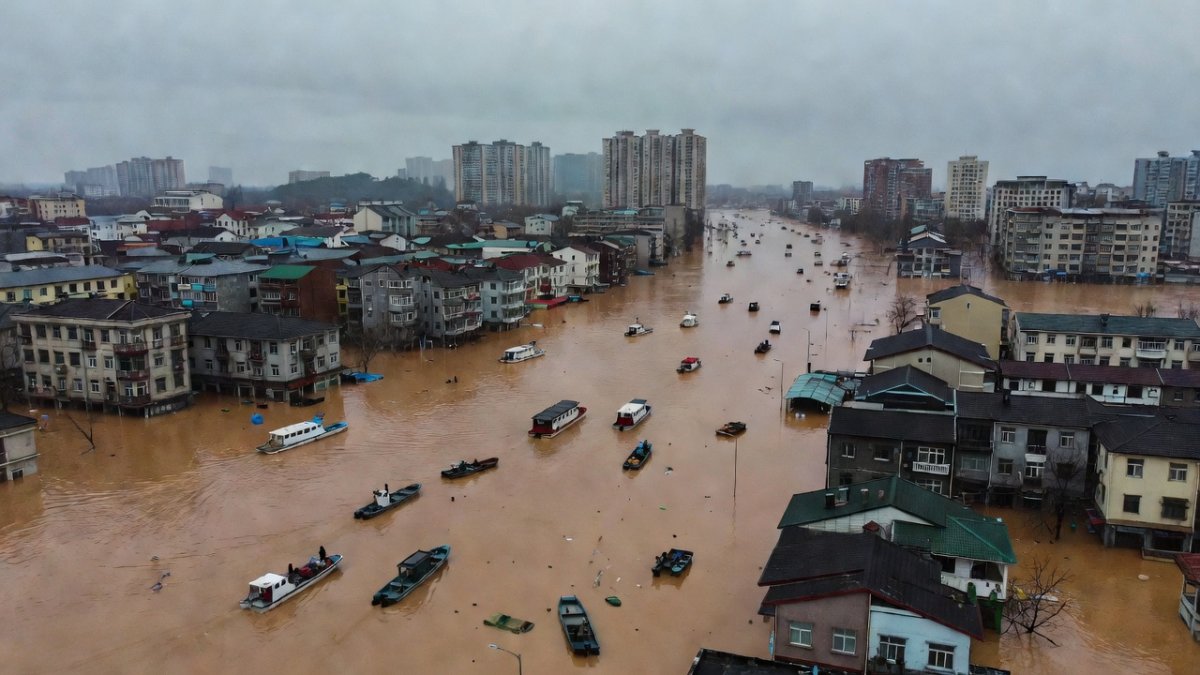
The Devastation from Typhoon Maysak
Typhoon Maysak struck southern China over the weekend, unleashing severe floods across Guangxi province and rare tornadoes in Hubei province. The Yongjiang river burst its banks in Nanning, contributing to widespread inundation that trapped residents on rooftops and cut off access to food and supplies in multiple villages.
Casualties and Displacement Figures
At least four people died in Guangxi due to the flooding, while 11 fatalities occurred in Hubei from the tornadoes. Overall, the typhoon has displaced at least 60,000 people and affected 90,000 individuals, with some villages losing electricity and communication links entirely.
Presidential Directive for Rescue Operations
President Xi Jinping ordered all-out rescue and relief operations in response to the disaster. This directive aligns with Beijing's emphasis on maintaining domestic stability, as effective crisis response directly supports the Chinese Communist Party's core objective of preserving social order and public confidence in governance.
Approaching Threat of Super Typhoon Bavi
Super Typhoon Bavi is now approaching China's eastern coast and is expected to make landfall later this week. The sequential arrival of these systems underscores the need for coordinated national preparedness, reflecting China's strategic interest in building resilient infrastructure along vulnerable coastal and riverine regions.
Additional Hazards in Flood-Affected Areas
Snakes from farms have escaped into floodwaters, introducing new dangers for rescue teams and displaced populations. Witnesses reported water levels rising within ten minutes in certain villages, highlighting the rapid onset that complicates evacuation and supply distribution efforts.
Strategic Considerations for National Resilience
These events test China's capacity to manage compounding natural disasters while advancing broader foreign policy goals of regional stability. Effective handling of such crises can enhance Beijing's leverage in international climate discussions, yet repeated storms may strain resources and reveal second-order effects on economic productivity in affected provinces.
By Prof. Marcus Chen, Staff WriterThis article was produced with AI-assisted research and editorial support. Reporting is based on sources cited in the article.
What's Your Reaction?
 Like
0
Like
0
 Dislike
0
Dislike
0
 Love
0
Love
0
 Funny
0
Funny
0
 Wow
0
Wow
0
 Sad
0
Sad
0
 Angry
0
Angry
0

World Politics Analyst at Global1.News. Based in Beijing, covering US-China relations, global trade, and geopolitical strategy. Brings deep analytical perspective to the power dynamics shaping international affairs.















Comments (0)