
Venezuela's Twin Quakes Leave Trail of Loss and Miracles Across Caribbean Coast
In the wake of the devastating twin earthquakes that struck Venezuela on June 24, the region continues to grapple with profound loss while celebrating extraordinary tales of survival. As families across Latin America mourn the confirmed deaths surpassing 2,600, stories of resilience emerge from the rubble in places like Catia La Mar and Caraballeda. This week, international tea
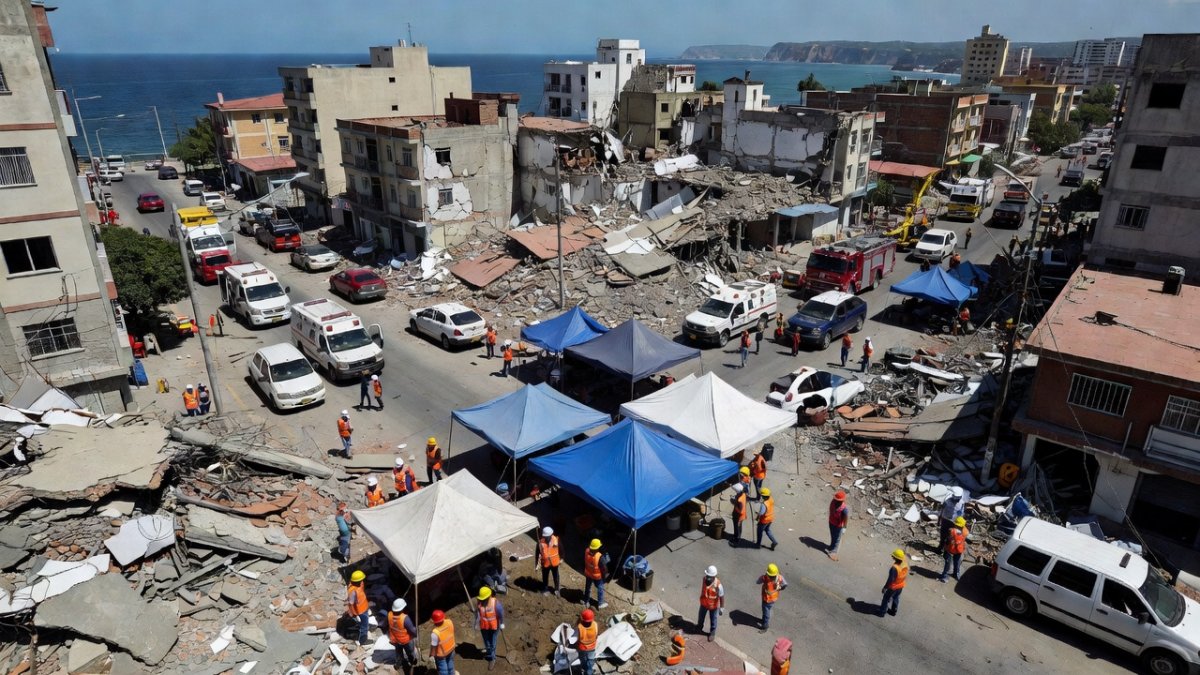
In the wake of the devastating twin earthquakes that struck Venezuela on June 24, the region continues to grapple with profound loss while celebrating extraordinary tales of survival. As families across Latin America mourn the confirmed deaths surpassing 2,600, stories of resilience emerge from the rubble in places like Catia La Mar and Caraballeda. This week, international teams have intensified efforts amid the humid Caribbean heat, highlighting the shared bonds that tie Brazil, Chile, Mexico and other nations in times of crisis.
Rescue operations underway in La Guaira state following the June 24 earthquakes. (Global 1 News)
The Scale of Destruction in Coastal Venezuela
The magnitude 7.5 twin quakes hit on June 24, sending shockwaves through La Guaira state and beyond, collapsing buildings and infrastructure in a matter of seconds. In recent days, assessments have revealed the full extent of damage to ports, residential towers and commercial areas, with entire neighborhoods reduced to twisted metal and concrete. Venezuela's acting President Delcy Rodríguez has described the event as one of the most severe natural disasters to affect the country in decades, drawing parallels to past seismic events that have tested the resilience of Latin American communities from Chile to Mexico.
Coastal towns like Caraballeda and Catia La Mar bore the brunt, where multi-storey structures pancaked under the force. The economic ripple effects are already being felt across borders, as trade routes through the Caribbean face disruptions that could impact neighboring Brazil and Colombia in the coming months.
Miraculous Rescues Offer Glimmers of Hope
Among the most uplifting developments this week was the rescue of Hernán Gil, pulled alive after eight days trapped beneath 140 tonnes of rubble from a collapsed car park in Catia La Mar. International teams from Chile, Costa Rica, El Salvador, Mexico, Portugal and the United States worked tirelessly alongside Venezuelan responders to free him, using specialized equipment in the stifling conditions. Acting President Rodríguez hailed Gil as a "living miracle," a sentiment echoed in Brazilian media outlets that have followed the story with keen interest due to regional solidarity.
Equally inspiring is the survival of 12-year-old Fabiana, rescued after 32 hours in the ruins of a 10-storey building in Caraballeda. She later recounted subsisting on ketchup and cheese packets found nearby, a testament to the quick thinking that saved her life. Volunteers and firefighters reached her on what locals now refer to as a pivotal Friday in early July, providing a rare moment of joy amid widespread grief. These accounts underscore the human spirit that often unites Latin American nations when facing adversity.
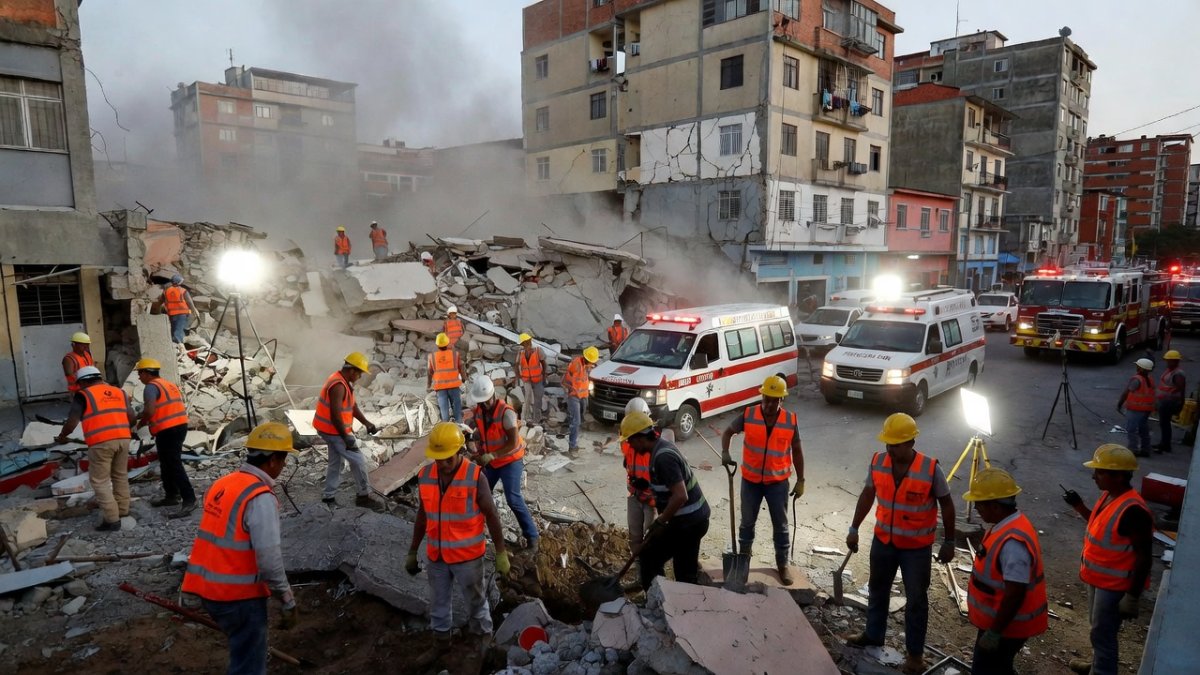
International rescue teams worked for days to reach survivors trapped under rubble. (Global 1 News)
Identifying the Victims at Makeshift Facilities
At the Los Silos port facility in La Guaira, anguished families have gathered in recent days to identify loved ones at a makeshift morgue. Bodies wrapped in plastic bags lie exposed under the sun as forensic experts cross-reference dental records and over 1,000 images displayed on screens. The process has proven emotionally taxing, with the death toll now confirmed above 2,600 and still rising as search operations continue in remote areas.
This grim task highlights the challenges of disaster response in Venezuela, where resources are stretched thin. Similar identification efforts in past Latin American quakes, such as those in Mexico and Haiti, have shown the importance of international forensic support to bring closure to families across the hemisphere.
Regional Solidarity and International Aid Efforts
Latin American countries have rallied swiftly, with rescue contingents from Chile and Mexico arriving within hours of the initial tremors. Brazil, though not directly listed among the primary teams, has contributed through diplomatic channels and offers of medical supplies, reflecting the interconnected nature of the continent. In recent days, coordination meetings in Caracas have emphasized the need for sustained support as aftershocks continue to rattle nerves.
The involvement of teams from Portugal and the United States further illustrates global interest in Venezuela's recovery, yet the core assistance remains rooted in hemispheric cooperation. This collaborative spirit mirrors responses to earlier disasters, fostering a sense of unity that transcends borders.
Challenges Ahead in Recovery and Rebuilding
As July unfolds, attention turns to long-term recovery, with questions mounting about infrastructure resilience in quake-prone zones. Temporary shelters have sprung up along the coast, housing thousands displaced by the events, while aid distribution faces logistical hurdles in the tropical climate. Experts warn that without robust regional investment, similar vulnerabilities could affect other Caribbean and South American nations in the future.
Communities in La Guaira are beginning to share stories of survival that may shape future preparedness programs, drawing lessons from the rescues of Hernán Gil and young Fabiana. The path forward will require patience and continued cross-border dialogue to ensure that the human cost of these quakes leads to meaningful change.
Looking Toward a United Latin American Response
The twin earthquakes have once again reminded the world of nature's unpredictability and the strength found in collective action. As identification efforts persist and survivors like Gil and Fabiana begin their healing journeys, the focus remains on honoring the lost while supporting the living. In this moment of shared sorrow and cautious optimism, Latin America stands together, ready to rebuild stronger than before.
By Elena Vasquez, Staff WriterThis article was produced with AI-assisted research and editorial support. Reporting is based on sources cited in the article.
What's Your Reaction?
 Like
0
Like
0
 Dislike
0
Dislike
0
 Love
0
Love
0
 Funny
0
Funny
0
 Wow
0
Wow
0
 Sad
0
Sad
0
 Angry
0
Angry
0

Latin America Correspondent at Global1.News. Based in Mexico City, covering politics, economics, energy, and culture across the region. Brings an on-the-ground perspective to stories spanning from the Rio Grande to Patagonia.












Comments (0)