
Retail Spending Falls as Consumers Pull Back
Retail Sales Take a 1% Hit as Consumers Slam the Brakes US retail spending dropped 1% in March from February, according to the Commerce Department report released Friday, outpacing the 0.4% decline economists at Refinitiv had forecast and worsening from the prior month's revised 0.2% fall. This pullback came right after the banking crisis stoked recession fears, with sales at g
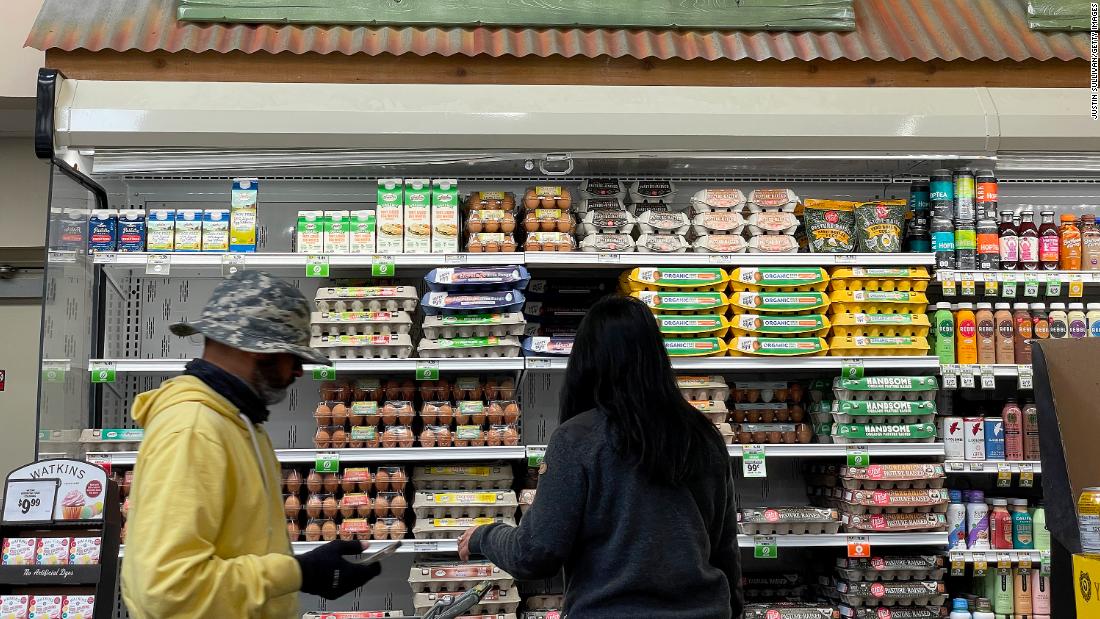
Retail Sales Take a 1% Hit as Consumers Slam the Brakes
US retail spending dropped 1% in March from February, according to the Commerce Department report released Friday, outpacing the 0.4% decline economists at Refinitiv had forecast and worsening from the prior month's revised 0.2% fall. This pullback came right after the banking crisis stoked recession fears, with sales at general merchandise stores plunging 3% and gas station spending cratering 5.5% in the same period.
Shrinking Tax Refunds and Expired SNAP Benefits Squeeze Wallets
The IRS issued just $84 billion in tax refunds this March, a full $25 billion less than in March 2022, per Bank of America analysts, which directly hit spending at department stores and on durable goods like appliances and furniture. Enhanced pandemic-era SNAP benefits expired in February, removing another key support, while credit and debit card spending per household tracked by BofA researchers slowed to its weakest pace in more than two years.
Wage Growth Cools Even as Employers Add 236,000 Jobs
Average hourly earnings rose only 4.2% year-over-year in March, the smallest annual gain since June 2021 and down from 4.6% the prior month, according to Bureau of Labor Statistics figures. Employers still added 236,000 jobs last month, a solid number historically but below the average monthly pace of the previous six months, showing the labor market is holding but losing steam.
Consumer Sentiment Worsens on Bank Failures and Rising Inflation Fears
University of Michigan consumer sentiment dipped in March amid the bank failures and held steady in April, yet year-ahead inflation expectations jumped a full percentage point to 4.6% from 3.6% in March, partly due to higher gas prices. Joanne Hsu, director of the surveys at the University of Michigan, noted consumers are bracing for a downturn without feeling as bleak as last summer.
What This Means for Regular Americans Facing Tighter Budgets
For everyday households, smaller refunds and vanished food assistance mean less room for spending on basics and big-ticket items, even as the overall labor market stays resilient according to Mastercard Economics Institute chief economist Michelle Meyer. Aditya Bhave of BofA Global Research pointed out that March refunds matter hugely, and many families expected last year's bigger payouts, leaving them pulling back now amid slower wage growth and lingering recession worries.
This article was produced with AI-assisted research and editorial support. Reporting is based on sources cited in the article.
What's Your Reaction?
 Like
0
Like
0
 Dislike
0
Dislike
0
 Love
0
Love
0
 Funny
0
Funny
0
 Wow
0
Wow
0
 Sad
0
Sad
0
 Angry
0
Angry
0

Editor-in-Chief at Global1.News. Atlanta-based journalist who cuts through the BS and tells it like it is. Lead anchor, host, and the voice you hear when the spin stops and the truth starts.















Comments (0)