
Lindsey Graham, US Senator from South Carolina, Dies at 71 After Brief Illness
The Sudden Loss That Stunned Washington Look, friends, this one hits different. Senator Lindsey Graham is gone. The 71-year-old Republican from South Carolina died on Saturday after what his office called a brief and sudden illness. No further details on the cause have been released, and honestly, that silence speaks volumes in a town that loves to speculate. One day he was wor
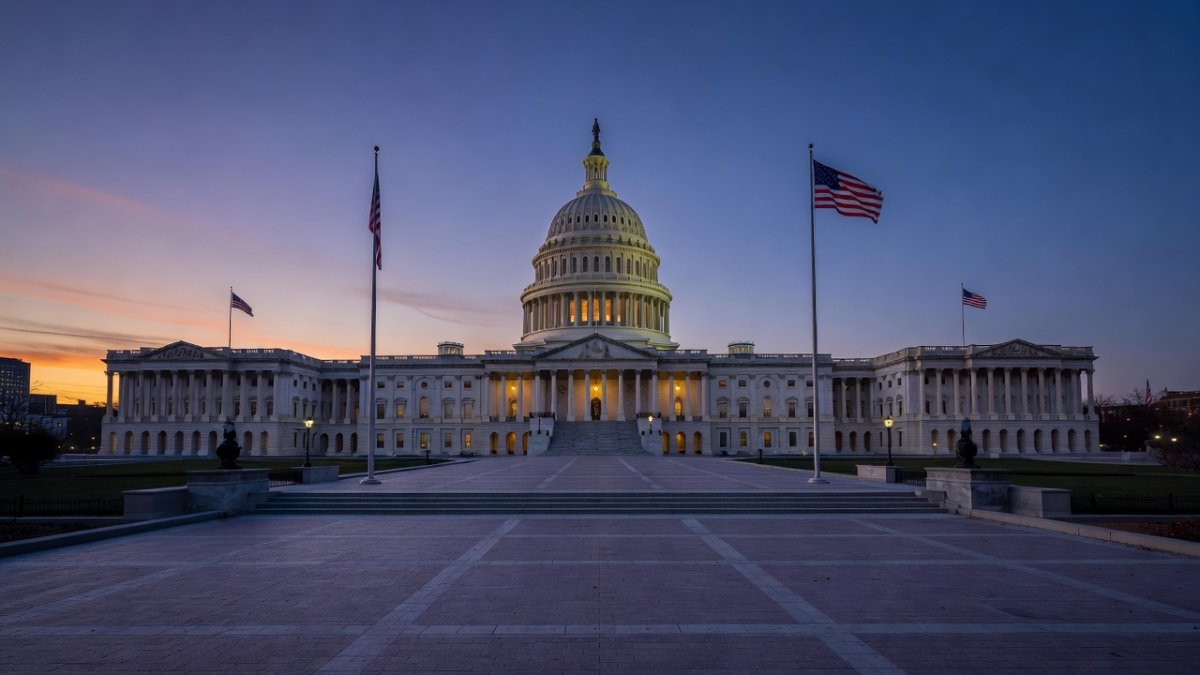
The Sudden Loss That Stunned Washington
Look, friends, this one hits different. Senator Lindsey Graham is gone. The 71-year-old Republican from South Carolina died on Saturday after what his office called a brief and sudden illness. No further details on the cause have been released, and honestly, that silence speaks volumes in a town that loves to speculate. One day he was working the phones on foreign policy, the next the news broke like a thunderclap. We’re talking about a guy who served in the Senate since 2003, re-elected in 2020, and still seemed like he had plenty of fights left in him. Dramatic pause here: sometimes the end comes faster than any of us expect, even for a former Air Force colonel who thrived on the grind.
The timeline only sharpens the shock. Graham had spent the week before his death in back-to-back meetings on the Armed Services Committee, pushing amendments to the annual defense authorization bill and fielding calls from Israeli officials about Iron Dome funding. Staffers described him as energetic during a Thursday evening strategy session, cracking jokes about the latest House drama. By Friday morning he canceled a planned appearance on a Sunday talk show, citing fatigue. Hours later his office issued the terse statement that he had passed. In Washington, where leaks usually flow faster than the Potomac, the lack of insider sourcing about his condition felt deliberate and unnerving.
Colleagues on both sides of the aisle described the same gut-punch reaction. One senior Republican senator told reporters Graham had texted him Friday afternoon about scheduling a markup the following week. The message ended with his usual sign-off: “See you on the floor.” That kind of routine exchange made the announcement land even harder. For a chamber already short on institutional memory, losing a member who knew every procedural trick and every foreign leader’s direct line created an immediate sense of disorientation.
A Life That Spanned Service and Scrutiny
Graham was born July 9, 1955, and built a career that mixed military discipline with political endurance. He served in the U.S. Air Force JAG Corps and retired as a colonel. That background shaped everything. He brought a lawyer’s precision and a soldier’s loyalty to the Senate, where he sat on the Judiciary, Appropriations, and Armed Services Committees. You know the type: the guy who stayed late, read the briefings, and never shied away from a tough vote. His office announced the death with minimal fanfare, just the facts, which fits the no-nonsense style he often projected even when the cameras were rolling.
His path from Central, South Carolina, to the Senate ran through the Air Force and the state legislature. After graduating from the University of South Carolina and its law school, Graham entered active duty in 1982. He served as a military prosecutor and later as a reservist who deployed to the first Gulf War and to Iraq after 9/11. Those experiences gave him credibility when he argued for sustained troop levels or questioned withdrawal timelines. In the Senate he routinely cited specific after-action reports from his own service to challenge Pentagon witnesses during hearings.
Even critics acknowledged the consistency of his work ethic. Graham rarely missed a classified briefing and kept a small apartment blocks from the Capitol so he could walk to evening votes. Former staffers recall him reviewing every line of the annual intelligence authorization bill himself rather than delegating. That attention to detail helped him navigate the Appropriations Committee’s complex earmark process and secure funding for South Carolina military installations like Joint Base Charleston. The same habits that made him effective also made his sudden absence feel larger than one seat.
From Trump Critic to One of His Closest Allies
Here’s where the story gets sharp. Back in the 2016 primaries, Graham was one of Donald Trump’s loudest critics. He didn’t hold back. Then something shifted. Over the years he became one of Trump’s most reliable allies in the Senate. That evolution tells you a lot about power in Washington. Graham figured out how to stay relevant in a party that changed around him. He didn’t just survive the Trump era; he leaned into it on key issues while keeping his own foreign-policy lane open. Smart friends, that’s not flip-flopping; that’s adaptation. And it worked until the very end.
The pivot began after Trump won the nomination. Graham privately told associates he viewed the president-elect as someone who responded to direct engagement rather than public attacks. By 2017 he was golfing with Trump at Mar-a-Lago and defending the administration’s approach to NATO spending. The relationship deepened during the first impeachment trial when Graham managed floor arguments and later during Supreme Court confirmations. Trump rewarded the loyalty with public praise, calling Graham “a great senator” and “a real fighter” in multiple rallies.
Yet Graham never became a full MAGA convert. He continued to criticize Trump’s rhetoric on NATO and pushed back on withdrawal from Afghanistan in 2021. That selective alignment let him maintain influence with both the former president’s base and traditional defense hawks. The strategy paid dividends when Trump endorsed him for re-election in 2020 despite their earlier clashes. Observers noted that Graham’s ability to thread that needle made him a model for other Republicans navigating the same tensions.
The Foreign Policy Hawk Who Never Blinked
Graham earned his reputation as a foreign policy hawk early and never let it go. Strong supporter of Israel, constant voice on defense spending, and a regular on the Armed Services Committee pushing for robust American engagement abroad. He wasn’t the isolationist type. He believed in alliances, in deterrence, in showing up. That stance earned him respect from Israeli leaders and plenty of others who valued steady, if sometimes hawkish, American leadership. In an era of shifting priorities, Graham stayed consistent on the big strategic questions. You could disagree with the approach, but you couldn’t call it unserious.
His record on Israel dated back to his first Senate term. Graham visited the country more than a dozen times, often meeting with both Likud and opposition leaders. He sponsored legislation increasing missile-defense cooperation and repeatedly blocked attempts to condition aid. Israeli Prime Minister Benjamin Netanyahu once described him as “a true friend who never wavered.” Graham also championed increased defense spending for Eastern European allies after Russia’s 2014 annexation of Crimea, arguing that deterrence required visible American presence rather than rhetoric alone.
Critics on the left and the emerging non-interventionist right faulted him for supporting open-ended commitments in Syria and Libya. Graham countered that retreat created vacuums filled by adversaries. He pointed to the rise of ISIS after the 2011 withdrawal from Iraq as evidence. Even when public opinion turned against prolonged engagements, he continued to argue that American leadership meant accepting costs others would not. That stance isolated him at times but also gave him a clear lane when crises erupted.
Shaping the Supreme Court for a Generation
One of Graham’s most concrete legacies sits on the highest court in the land. He played a key role in confirming Justices Gorsuch, Kavanaugh, and Barrett. Those confirmations didn’t happen by accident. Graham worked the Judiciary Committee process, managed the votes, and helped lock in a conservative majority that will influence American law long after today’s headlines fade. That’s power with a long tail. For supporters, it was a win for originalism and restraint. For critics, it was a missed opportunity for balance. Either way, the record is clear: Graham’s fingerprints are on the Court’s current makeup.
During the 2017 Gorsuch hearings Graham used his questioning time to highlight the nominee’s record on administrative law rather than hot-button social issues. That approach helped keep the focus on qualifications and limited Democratic attacks. With Kavanaugh he managed the delicate task of defending the nominee during contentious testimony while coordinating with the White House on document releases. Barrett’s confirmation came during the final weeks of the 2020 campaign, and Graham’s steady hand on the committee floor prevented procedural delays that could have derailed the vote.
The long-term implications extend beyond individual cases. Graham’s support for expanding the use of the nuclear option to Supreme Court nominations changed Senate precedent permanently. Future majorities now face fewer obstacles when confirming judges. Legal analysts expect the conservative majority he helped install to continue reshaping administrative law, abortion precedents, and gun rights for decades. Graham himself rarely discussed specific rulings after confirmation, preferring to emphasize the process over outcomes.
Tributes Pour In from Every Corner
The reactions came fast and from across the spectrum. Former President Trump issued a statement, as did Senate Minority Leader Chuck Schumer and Minority Leader Mitch McConnell. Israeli leaders also weighed in, underscoring Graham’s long-standing support. These tributes weren’t just boilerplate. They reflected a man who built relationships on both sides of the aisle even when the politics got ugly. Schumer and McConnell don’t agree on much these days, yet both paused to acknowledge Graham’s service. That tells you something about the institutional respect he commanded, even in polarized times.
Trump’s statement called Graham “a warrior for America” and noted their shared golf outings. Schumer highlighted Graham’s willingness to negotiate on appropriations bills even during shutdown fights. McConnell praised his colleague’s command of Senate rules and his role in confirming judges. Netanyahu released a video message recalling late-night strategy sessions on Iran sanctions. Even some progressive Democrats who clashed with Graham on foreign policy acknowledged his personal decency and accessibility.
The breadth of the responses revealed how Graham operated. He maintained friendships with senators who voted against him on nearly every major issue. Staff from both parties described him as someone who returned calls and kept confidences. That reputation for straight dealing made his death feel like more than a partisan loss. It removed one of the few remaining bridges in an increasingly divided institution.
What Comes Next for South Carolina and the Senate
Governor Henry McMaster now gets to appoint a replacement. That decision will shape the next chapter for South Carolina’s Senate seat and could influence the balance of power depending on timing. Graham’s term would have run through 2026, so the appointee will serve until voters weigh in. Expect a scramble among ambitious Republicans eager to carry the torch. The seat has been reliably red, but the choice of successor will signal whether the party wants another Graham-style institutionalist or someone cut from a different cloth. Dramatic pause: these appointments often reveal more about the future than the past.
Potential names already circulating include members of the state’s congressional delegation and former state officials. McMaster has not indicated a timeline, but pressure from both Trump-aligned activists and traditional business interests will likely shape the choice. The appointee will face a special election later this year that could test whether Graham’s brand of hawkish internationalism still resonates with primary voters.
Nationally, the vacancy reduces the Senate’s pool of members with deep foreign-policy experience at a moment of multiple global flashpoints. Committees will need to redistribute workload, and Graham’s absence on the Armed Services and Judiciary panels will be felt immediately. The scramble to replace him will also test whether the Republican Party continues to reward adaptation or demands stricter ideological conformity.
Reflecting on a Complex Legacy
Let’s be direct. Lindsey Graham was never simple. He started as a Trump skeptic, became an ally, championed a muscular foreign policy, and helped reshape the judiciary. He served his state, his country, and his principles as he saw them. At 71, after a lifetime in uniform and in the Senate, he left with work still on the desk. That’s the nature of public life. The illness was brief, the announcement sudden, and the void he leaves is real. We’ll hear more tributes in the coming days, more analysis of his votes and his evolution. For now, the fact stands: a steady, sometimes controversial voice in American politics has gone quiet.
His career illustrated the trade-offs of longevity in Washington. Graham adapted to survive but never fully abandoned the institutional norms he learned as a JAG officer. That balance earned him influence and criticism in equal measure. Future senators will study how he maintained relevance across three presidential administrations while keeping a distinct lane on defense and foreign affairs.
Ultimately Graham’s record will be measured by the institutions he helped shape rather than any single headline. The Supreme Court majority, increased defense cooperation with Israel, and the precedent of procedural hardball on nominations all carry forward. Whether those changes prove durable depends on successors who may lack his particular combination of military credibility and political flexibility. By Jessica Ali, Global 1 News
This article was produced with AI-assisted research and editorial support. Reporting is based on sources cited in the article.
What's Your Reaction?
 Like
0
Like
0
 Dislike
0
Dislike
0
 Love
0
Love
0
 Funny
0
Funny
0
 Wow
0
Wow
0
 Sad
0
Sad
0
 Angry
0
Angry
0

Editor-in-Chief at Global1.News. Atlanta-based journalist who cuts through the BS and tells it like it is. Lead anchor, host, and the voice you hear when the spin stops and the truth starts.















Comments (0)