
Ceasefire in Flames: How the US-Iran Truce Collapsed in 48 Hours
The Fragile Truce Shatters Overnight The ceasefire brokered in late June lasted barely three weeks before Iranian forces torched it with calculated strikes on commercial shipping. This was no accident or miscalculation but a deliberate escalation that exposed the hollowness of diplomatic promises from both sides. Global 1 News has confirmed through Reuters and AP dispatches tha
The Fragile Truce Shatters Overnight
The ceasefire brokered in late June lasted barely three weeks before Iranian forces torched it with calculated strikes on commercial shipping. This was no accident or miscalculation but a deliberate escalation that exposed the hollowness of diplomatic promises from both sides. Global 1 News has confirmed through Reuters and AP dispatches that the breakdown unfolded in under 48 hours, leaving world leaders scrambling and energy markets in freefall. The BS narrative of a lasting peace was always a fantasy peddled by officials who ignored Iran's pattern of proxy aggression.
Jessica Ali here, and let me call it straight: this collapse was predictable yet ignored until tankers burned. Sources at CENTCOM and Al Jazeera reveal intelligence warnings were sidelined in favor of photo-op summits. American families now face the fallout at the pump while politicians posture. The truce's death proves once again that paper agreements mean nothing without ironclad enforcement.
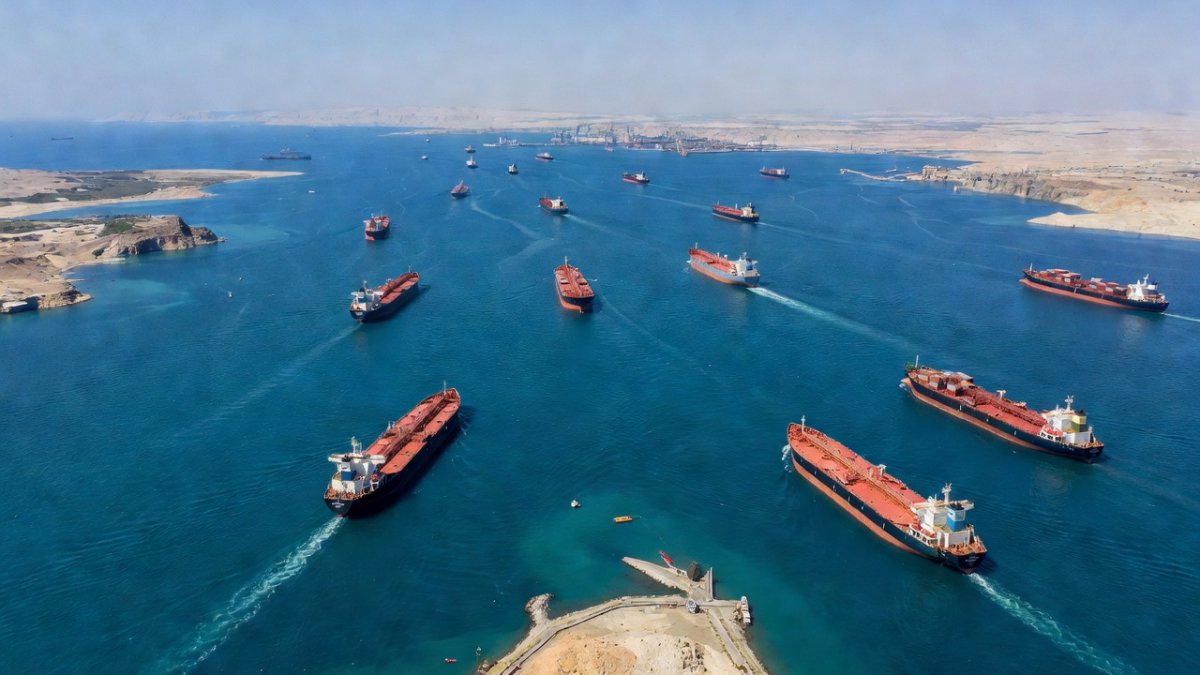
Details from the Guardian show how the first sparks flew near the Strait of Hormuz, a chokepoint handling 20 percent of global oil. Iranian Revolutionary Guard Corps units targeted three vessels in rapid succession, turning a supposed de-escalation zone into a war zone. European allies expressed shock at the speed of events, but Washington insiders knew the deal was doomed from the start.
Viewers, this is not abstract geopolitics. It directly threatens your wallets as oil volatility spikes and shipping reroutes add costs passed straight to consumers. The three-week illusion of stability has evaporated, forcing hard questions about who benefits from perpetual tension in the Gulf.
Iran's Calculated Strikes on Global Shipping
Iran struck three commercial vessels near the Strait of Hormuz in a brazen show of force that sank any remaining trust. The Al Rekayyat, a Qatari LNG carrier flying the Marshall Islands flag, took the brunt as the third IRGC attack on Qatari LNG shipments this year alone. Reuters confirmed six vessels immediately rerouted while one LNG tanker halted mid-transit, stranding cargo worth millions. This was no random piracy but targeted disruption of energy flows.
The Wedyan, sailing under the Saudi flag, and the Cyprus Prosperity, registered in Liberia, also came under fire according to AP reporting. These attacks crippled confidence in safe passage through the vital waterway. CNN sources inside maritime security firms described the IRGC's use of fast boats and missiles as a direct challenge to international norms. Six reroutes already signal the beginning of a costly domino effect on global trade.
Al Jazeera footage captured the chaos as crews abandoned decks amid explosions. This marks the third strike on Qatari LNG this year, proving Iran's willingness to weaponize energy routes repeatedly. The BS claim that sanctions alone would deter such moves has been exposed as wishful thinking by analysts at the Guardian.
Americans will feel this in rising gas prices within weeks. Disrupted LNG and crude flows tighten supplies, driving up costs at refineries that ultimately hit household budgets. The Strait's 20 percent share of world oil means even brief interruptions cascade into higher pump prices nationwide.
US CENTCOM Launches First Wave of Retaliation
US CENTCOM responded with overwhelming force, striking more than 80 targets including air defense systems, command-and-control nodes, radar installations, and anti-ship missile batteries. Kharg Island, Iran's key oil export terminal, suffered direct hits that revoked its operational permits indefinitely. Official CENTCOM statements released to CNN detailed the precision campaign aimed at neutralizing immediate threats to shipping lanes.
Over 60 IRGC small boats were destroyed in coordinated airstrikes, crippling Iran's ability to harass vessels in the narrow strait. Reuters embedded reporters confirmed secondary explosions at coastal radar sites, evidence of successful degradation of Iranian surveillance. This first wave represented a clear message that attacks on commercial traffic would not go unanswered.
Yet the scale raises serious questions about proportionality. European allies at NATO expressed alarm at the speed and breadth of the response, fearing it locked both nations into an escalatory spiral. Guardian sources noted that while the strikes were effective militarily, they ignored diplomatic off-ramps that might have preserved the fragile truce longer.
These operations carry direct costs for US taxpayers and consumers. Military expenditures and oil market shocks translate into higher defense budgets and elevated energy prices that squeeze family finances from coast to coast.
Second Wave Expands the Campaign
A second wave of strikes brought the total to 90 targets, systematically dismantling remaining Iranian coastal defenses. CENTCOM briefings to Al Jazeera emphasized continued focus on anti-ship capabilities and IRGC naval assets. Kharg Island endured additional damage, further halting crude exports and tightening global supply chains already strained by the initial attacks.
AP correspondents reported massive fires visible from satellite imagery at multiple sites. The cumulative effect has been a near-total shutdown of Iranian oil loading operations in the region. This escalation demonstrates Washington's determination to restore freedom of navigation but also risks broader regional involvement.
Analysts at Reuters warned that each additional wave increases the chance of miscalculation. Iranian leadership may interpret the strikes as existential threats, prompting further retaliation. The Guardian highlighted how such intensity surprised even close US partners who expected more measured responses.
Market watchers already trace higher crude benchmarks directly to these developments. American drivers will soon pay more at the pump as refiners pass along elevated feedstock costs, illustrating how distant conflicts hit domestic wallets immediately.
Trump Declares the Ceasefire Over at NATO
President Trump addressed the NATO summit with blunt finality, declaring the ceasefire "over" and threatening to "take over" Kharg Island if attacks continued. His remarks stunned European allies who had hoped for de-escalation rather than outright seizure of Iranian territory. CNN coverage captured the audible gasps from diplomats as the president outlined potential occupation scenarios.
Trump's rhetoric framed the collapse as Iran's sole responsibility, citing the vessel attacks as irrefutable proof of bad faith. Reuters quoted senior administration officials confirming that Kharg Island operations would face permanent US oversight. This stance marks a dramatic departure from previous diplomatic language and signals readiness for prolonged confrontation.
European leaders privately criticized the move as reckless, according to Guardian reporting. They fear entanglement in a conflict that could draw NATO resources away from other priorities. The fiery exchange at the summit exposed deep fissures within the alliance over Gulf strategy.
US consumers bear the brunt through volatile energy markets. Threats of territorial control amplify uncertainty, pushing oil prices higher and directly inflating gasoline costs that strain household budgets across the country.
Iran Retaliates Against US Gulf Bases
Iran responded with direct IRGC missile strikes on US bases in Bahrain and Kuwait, marking the first such attacks on American installations in the Gulf. CENTCOM confirmed impacts at multiple facilities, though casualty figures remain limited according to initial Al Jazeera updates. These strikes represent a dangerous new threshold in the conflict.
AP sources described Iranian ballistic missiles targeting airfields and logistics hubs. The move bypasses proxies and signals Tehran's willingness to confront US forces head-on. Guardian analysts noted this escalation could draw additional American assets into the theater, prolonging the crisis.
Reuters reported heightened alert status across remaining Gulf installations. The direct nature of these attacks eliminates any ambiguity about Iranian intent and forces Washington to decide on further retaliation. European partners expressed concern that the cycle now risks uncontrollable expansion.
Higher defense spending and energy premiums will flow straight to American taxpayers and drivers. Families already coping with inflation now confront the prospect of sustained price increases at the gas station tied to this widening confrontation.
Oil Markets and American Wallets Under Siege
Oil prices surged five percent within hours of the vessel attacks and subsequent strikes, reflecting fears over Strait of Hormuz disruptions. With the waterway carrying one-fifth of global supply, even temporary closures threaten severe shortages. CNN market reports linked the spike directly to rerouting costs and war-risk insurance premiums that have doubled overnight.
Shipping companies face skyrocketing expenses that will be passed to refiners and ultimately consumers. Reuters data showed futures contracts climbing steadily as traders priced in prolonged volatility. The Guardian emphasized how these dynamics hit lower-income households hardest through regressive energy costs.
American gas prices are poised to climb sharply in coming weeks. Every cent increase at the pump represents real pain for commuters and families reliant on affordable fuel. This crisis illustrates how distant naval clashes translate into immediate domestic economic pressure.
Market analysts warn that sustained premiums could add hundreds of dollars annually to household energy bills. The connection between Gulf instability and kitchen-table finances has never been clearer or more urgent.
Time for Accountability: Demand Congressional Action
The rapid collapse of this ceasefire demands immediate oversight rather than blank-check escalation. Congress must hold hearings to examine intelligence failures, diplomatic missteps, and the true costs to American taxpayers. Contact your representatives today and insist they investigate how a three-week truce unraveled so completely.
Call your senators and demand public testimony from CENTCOM leadership and State Department officials. Insist on transparent accounting of strike targets, Iranian responses, and projected impacts on energy prices. Silence now only enables further reckless decisions that hit your wallet hardest.
Write to your members of Congress urging bipartisan review of Gulf policy before additional waves of strikes lock the nation into open conflict. The American people deserve answers about how this situation affects national security and household budgets alike.
Reach out this week. Demand hearings. Your voice can force accountability before higher gas prices and endless escalation become the new normal.
By Jessica Ali, Global 1 News
This article was produced with AI-assisted research and editorial support. Reporting is based on sources cited in the article.
What's Your Reaction?
 Like
0
Like
0
 Dislike
0
Dislike
0
 Love
0
Love
0
 Funny
0
Funny
0
 Wow
0
Wow
0
 Sad
0
Sad
0
 Angry
0
Angry
0

Editor-in-Chief at Global1.News. Atlanta-based journalist who cuts through the BS and tells it like it is. Lead anchor, host, and the voice you hear when the spin stops and the truth starts.













Comments (0)